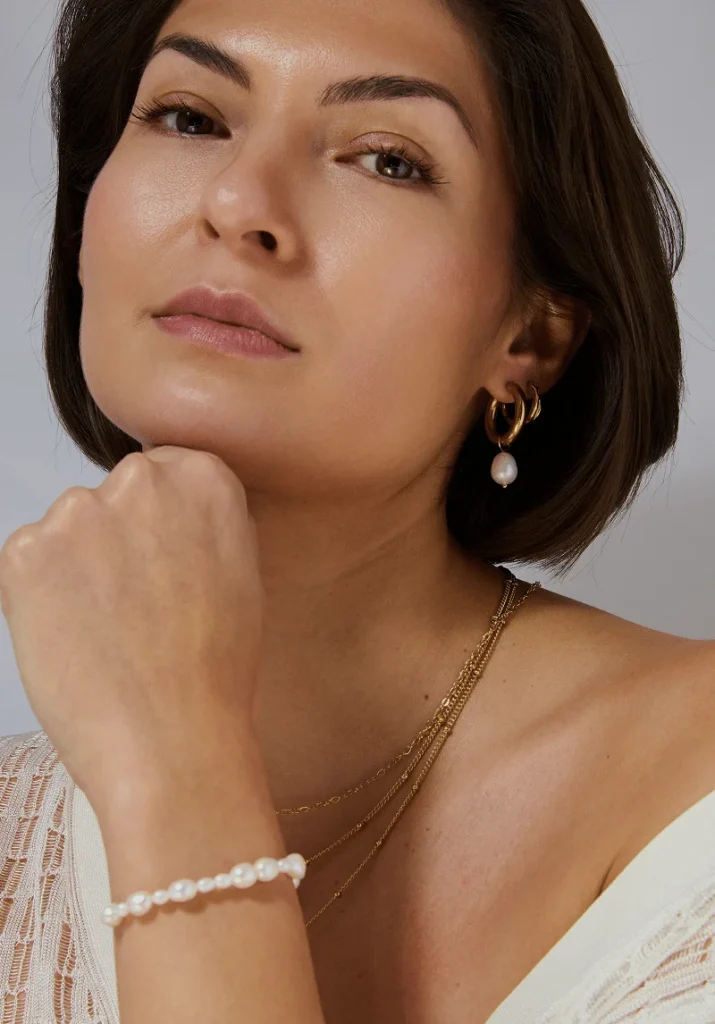


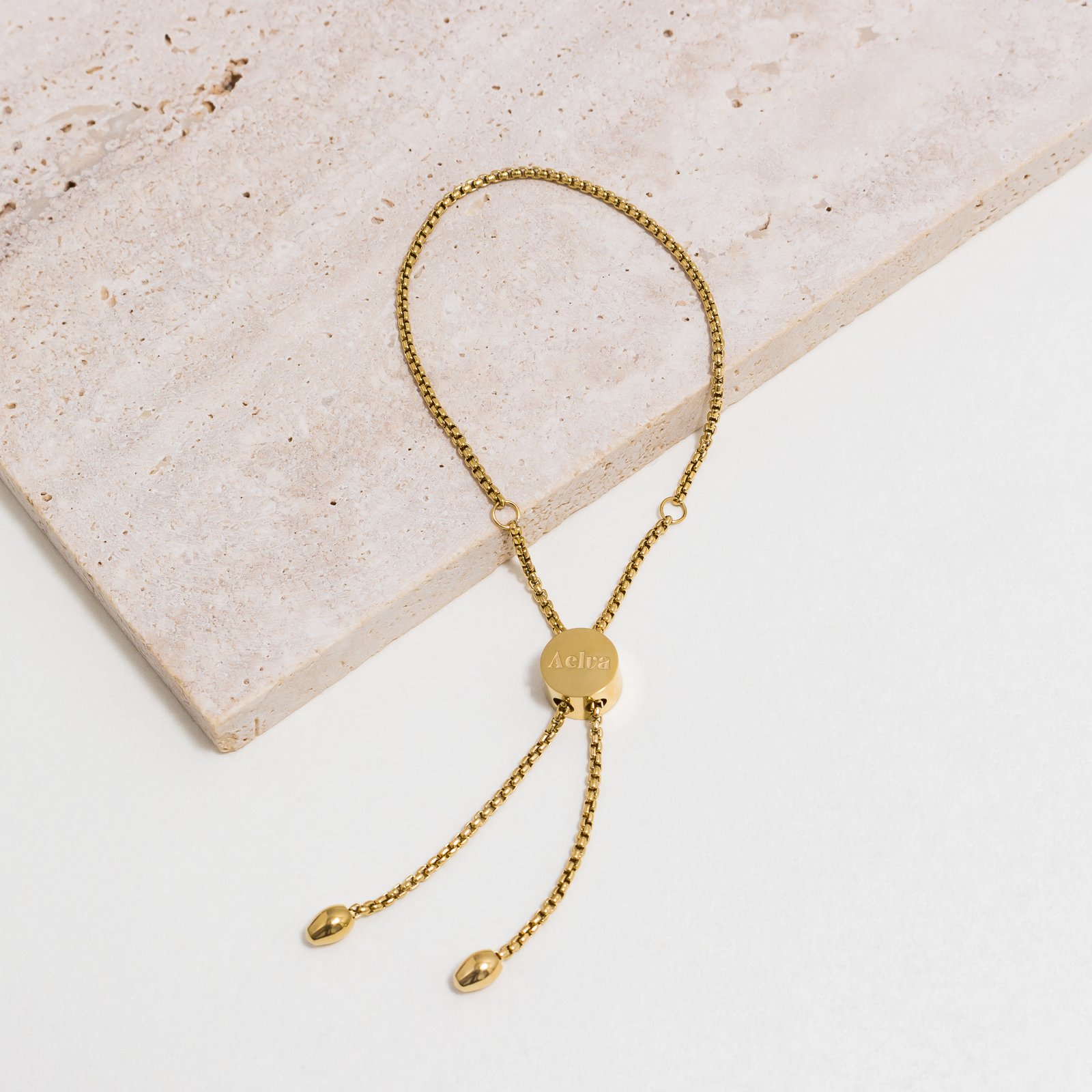
You have probably stood in front of a glass cabinet, or scrolled a little too long late at night, wanting to get this exactly right for someone you care about. It feels like it should be the easy present. It is small, it lasts, and it carries real feeling. The trouble is that jewellery asks more of the giver than almost anything else, because the person wears it close to the body, in plain view, day after day. So when you want to know how to choose jewellery as a gift, the simplest place to begin is with the person ahead of the occasion: a format they already wear, a metal you have seen on them, and a quality that will hold up over time.
Get that right and the piece slips quietly into the small set of things they put on without thinking. Get it slightly wrong and it tends to settle at the back of a drawer, worn only out of kindness. The sections below set out how to land on the right side of that line, even when you are far from certain of someone's style.
Why is jewellery a harder gift to choose than it looks?
Jewellery is harder to choose than most gifts because it has to live on the recipient's body and become part of how they present themselves to the world. A scarf can be admired and quietly folded away. A candle can be saved for later. Once it is given, a piece of jewellery becomes a small statement about who the wearer chooses to be, sitting at the meeting point of personal taste, social identity and daily habit.
This is why people tend to be more careful with jewellery than with other accessories. A piece is visible and, in a sense, permanent in the wardrobe. Miss the mark and it can become an object of obligation, worn only to please the giver or kept out of sight. Hit it and the piece joins the handful of things someone reaches for instinctively. The giver has to weigh look, wearability and the recipient's sense of themselves all at once, which is what gives the choice its weight.
What makes a jewellery gift feel personal instead of generic?
A jewellery gift tends to feel personal when it shows evidence of choice and attention, which usually matters more than how heavily it has been customised. People have long understood that a gift carries something of the giver and the relationship into the object itself. A piece feels personal when it suggests the giver knows something true about the recipient: the colours they tend to wear, the metal they favour, a scale that suits them.
Customisation can help, though it can also quietly stand in for genuine knowledge. An engraved name or date says the piece was chosen for one person, which often deepens attachment when the reference stays a happy one. The same inscription can hem a piece in if it ties it to a moment or a relationship that later shifts. For many givers, the most personal gift turns out to be the simplest one that clearly reflects something they have observed, ahead of the most heavily personalised.
How do you choose a necklace or piece when you don't know their taste?
When you are unsure of someone's taste, it usually helps to choose on material, format and proportion ahead of style. Ask not whether they would wear this, but whether they could wear this. A metal you have seen on them, silver or gold, already narrows the field to something they like next to their skin. A format they already use removes the risk of giving something they have no place for: if they wear necklaces, choosing a necklace as a gift is a steadier bet than guessing at earrings.
Proportion matters more than many givers expect. Someone with a fine frame may find chunky pieces uncomfortable, while someone who likes a bolder look can find very delicate pieces too fragile for daily wear. People also forgive a near miss far more readily when the piece is clearly well made. A well constructed piece in a slightly off style tends to be kept and worn; a cheaply made piece in the right style often is not. The fuller approach to buying when you have no fix on someone's style is worth its own read.
Why do simpler pieces tend to suit more people?
Simpler pieces tend to suit more people because they work across more outfits and occasions, which means they get worn more and earn more attachment over time. A plain pendant, an understated pair of earrings or a fine chain can move from a quiet weekday to a formal evening, sit alongside other pieces without crowding them, and avoid demanding to be the focus of an outfit. Because the recipient reaches for it out of habit, it folds into their life and earns a lasting place in regular wear.
Decorative pieces ask for the right outfit, occasion and mood, so they tend to be worn less and to gather less feeling. Simple does not have to mean plain or characterless. A simple piece can carry distinctive proportions, an interesting material or careful construction that makes it feel considered. The most useful meaningful jewellery gift ideas usually start here: a quiet, well made piece the recipient can fold into everyday wear.
When does personalisation help, and when does it limit a piece?
Personalisation tends to help when it stays open enough to keep wearing, and to limit a piece when it ties it too tightly to one moment. An initial on a necklace or a single meaningful word invites ongoing ownership and often deepens attachment, because the reference remains true however circumstances shift. People are generally more attached to pieces they feel were chosen for them in particular, even when the personal touch is quiet.
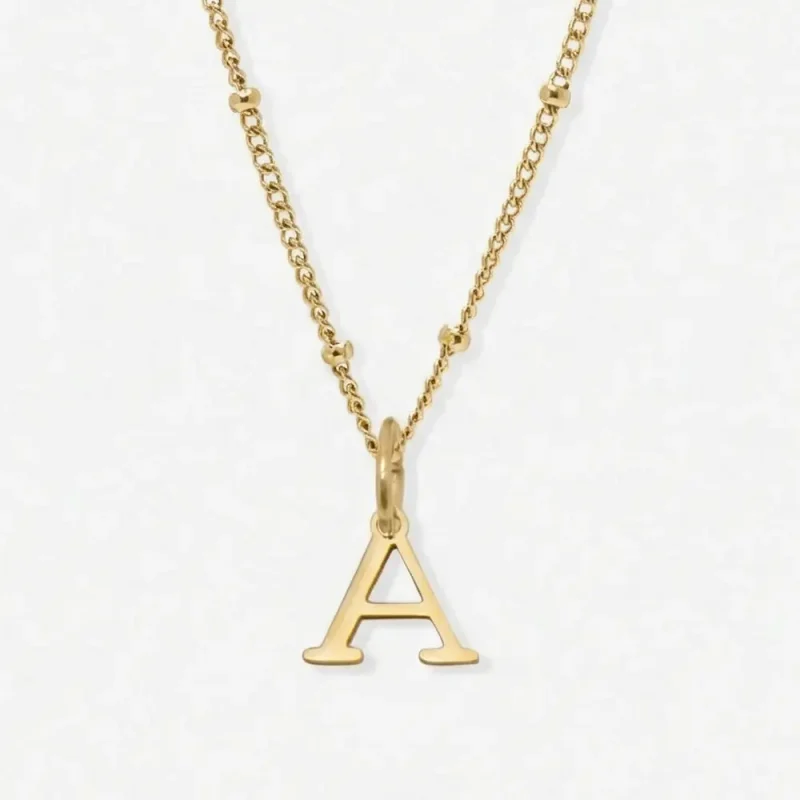
An engraved date or a piece that marks one specific event behaves differently. It can feel meaningful at first and constraining later, if the recipient's relationship to that moment changes. A useful test is whether the personalisation will still feel right in five years. Light, identity based touches usually pass that test; event specific inscriptions often do not. Initial pieces, such as an Alphabet Necklace, sit in the helpful zone: personal, yet not pinned to a single date.
Why choose quality and durability over novelty?
Quality and durability matter because people tend to stay attached to well made pieces far longer than to novel ones, and because a lasting piece quietly signals genuine respect. A well made piece in a classic form gets worn regularly, while a trend led piece can feel dated within a year. A durable material that can be worn without worry is reached for more often than one that needs careful handling, which reflects how people actually use jewellery, as opposed to how they imagine using it.
Durability also lets a gift gain meaning over time. A piece that holds up across years of wear stays present for the moments that follow, so it carries more association with each passing year. Choosing for the recipient's lasting self, ahead of their current phase, is the throughline of every decision here: pick something they will still want to wear long after the occasion has passed.
Frequently asked questions
How much should I spend on a jewellery gift?
There is no fixed amount. A carefully chosen, well made piece in the right metal and format usually reads as more thoughtful than a pricier piece picked without attention to the person.
Is a necklace a safe choice as a gift?
A necklace is a safe choice if the recipient already wears necklaces. Choosing a necklace as a gift works best in a metal you have seen on them and at a length and weight in keeping with what they tend to wear.
Should I get the recipient's name or initials engraved?
An initial is usually a safer personal touch than a full inscription. It references the person without tying the piece to a date or event that may feel dated later.
What if I get the style slightly wrong?
A slight miss in style is far more forgivable when the piece is clearly well made. Quality and evident thought tend to be kept and worn even when the look is not exactly what the recipient would have chosen.
How do I choose for someone whose taste I barely know?
Lean on what you can observe: the metal they wear, whether they favour delicate or bolder pieces, and the formats they actually use. These details point to a workable choice without needing to guess their full aesthetic.
Related pieces
An Alphabet Necklace is a gentle way to make a gift personal, carrying an initial that reflects the recipient without fixing the piece to a single date. Browsing the best sellers is a sensible starting point when you want a simple, well made piece in a durable, tarnish free material that suits a wide range of tastes. Both keep the focus on something the recipient can wear comfortably for years, which is the surest sign of a gift that lands.