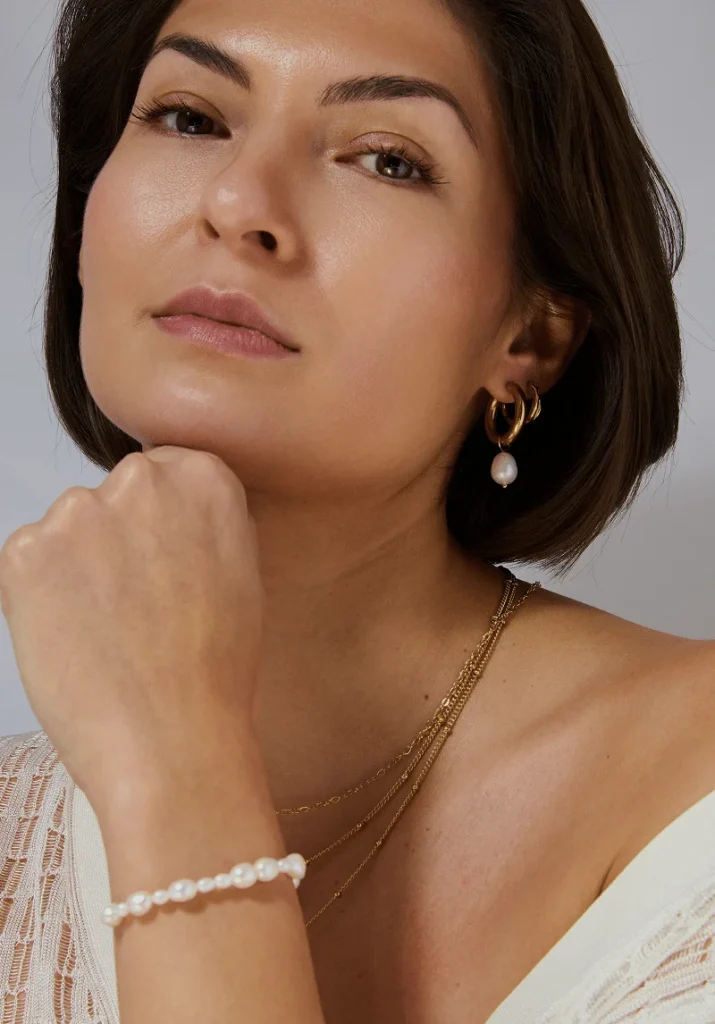


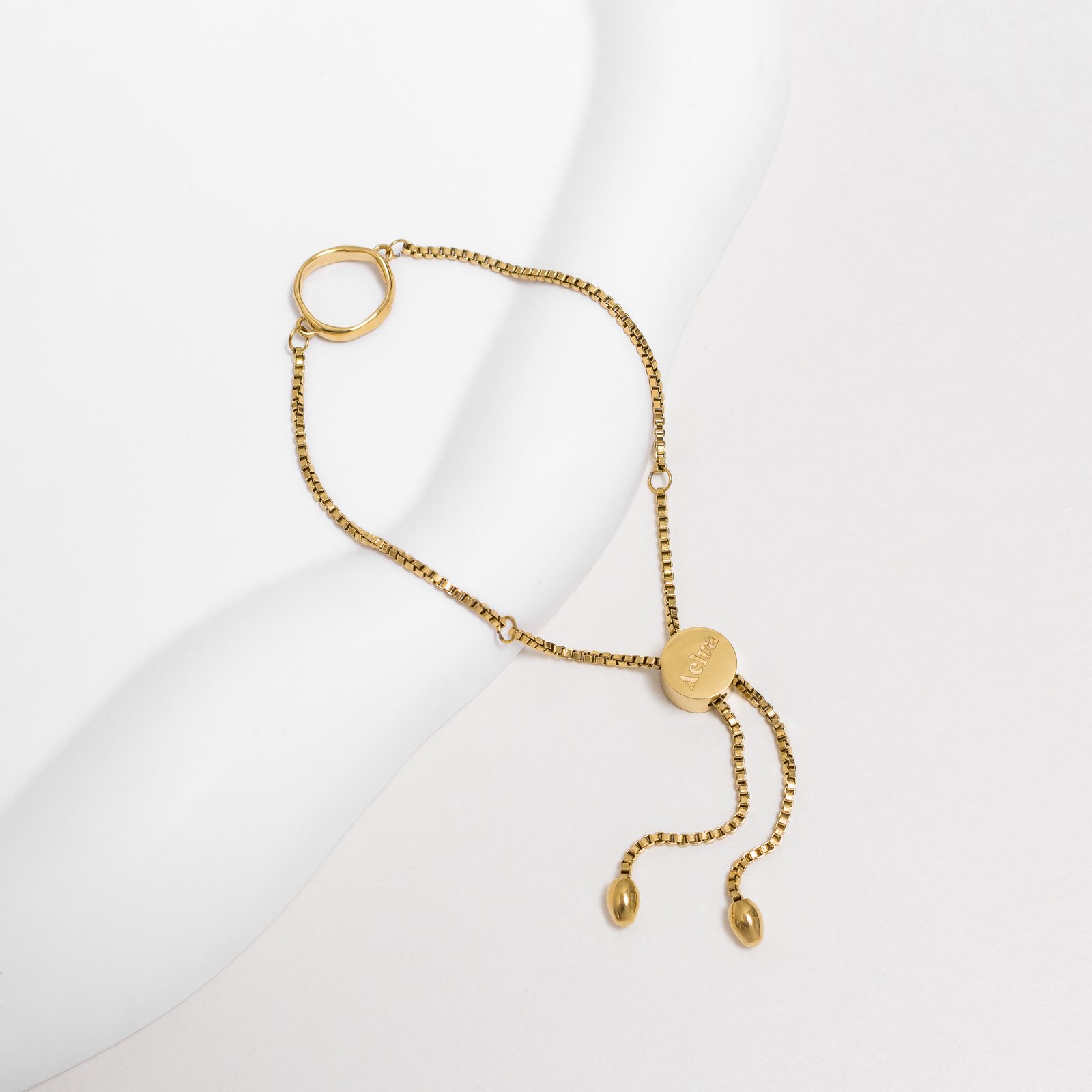
Some moments draw a quiet line through a life, a before and an after that only the person living it fully feels. A graduation, a new job, a recovery, a move, a beginning. When you want to mark one of those for someone, or for yourself, the instinct to reach for something lasting is a good one. Milestone jewellery gifts work best when the piece marks that turning point and is also something the recipient will genuinely want to wear for years. The strongest gifts for these moments acknowledge the shift and still hold up as everyday pieces once the occasion has receded. This guide covers which milestones suit jewellery, how a piece comes to carry meaning, and how to choose one that grows with the person instead of fixing them to a single date.
Why do milestones call for more than an ordinary gift?
Milestones tend to call for more than an ordinary gift because the recipient has crossed a threshold and changed. An ordinary gift celebrates someone's existing self and tastes. A milestone gift does something further: it acknowledges that something significant has happened and marks it in a way that is memorable and physical. Because of this, milestone gifts are usually more deliberately chosen than casual ones; they need to feel worthy of the change they mark.
Jewellery suits this role well. Worn close to the body over years, a piece can carry the weight of a moment in a way a consumable or a one off experience cannot. People often attach stronger meaning to objects tied to significant transitions, and a piece given at a milestone becomes a kind of anchor to it, present long after the event itself has passed into history.
How does an object come to carry the weight of a moment?
An object tends to carry the weight of a moment through association and through the stories told about it. A necklace given to mark a graduation is no more meaningful in itself than any other necklace, yet its link to a moment of change gives it weight. That works in a few ways at once. The piece makes a private, internal experience visible, so the wearer can point to it and say what it marks. It offers a way back to the moment, since wearing it returns the recipient to what they felt and what was at stake.
It also signals to others that something happened. When someone wears a piece and is asked about it, telling its story tends to reinforce its meaning. This is why a piece worn often becomes more meaningful over time than one kept in a drawer: people generally form stronger attachments to things they use and handle regularly. For milestone jewellery gifts, that points to a clear principle: choose something the recipient will actually want to wear, ahead of something so formal or specific that it stays boxed.
Which milestones suit jewellery as a marker?
Not every milestone suits jewellery equally, and knowing which do helps clarify when it is the right choice. Milestones that involve a shift in identity suit it well: a graduation, a new job, a move to a new place, the start of a new life phase. These are moments when someone is becoming distinctly different, and a piece worn close to the body can mark that new identity. An achievement jewellery gift fits the same logic, marking something difficult that was completed or a goal reached, worn as quiet evidence of what the person has done.
Milestones built around relationships suit jewellery when the piece represents the bond durably, more than a single date, since a piece tied to the relationship itself stays meaningful as that relationship evolves. Private or internal milestones, a recovery, a personal breakthrough, a quiet commitment, also suit jewellery, because a piece can hold a meaning only the wearer knows. Jewellery for life milestones works least well when it is pinned to a specific calendar date that will simply become historical, since the meaning can feel dated as the years pass.
Should a milestone piece be engraved or personalised?
Personalisation tends to suit milestone jewellery best when it stays open enough to keep wearing. An engraved date or an inscription naming a specific achievement marks that something happened, though it can also fix the piece to one moment and feel limiting later, as though it is forever documenting a single accomplishment. The most successful milestone pieces usually carry their meaning in the story of their giving, more than in a literal inscription.
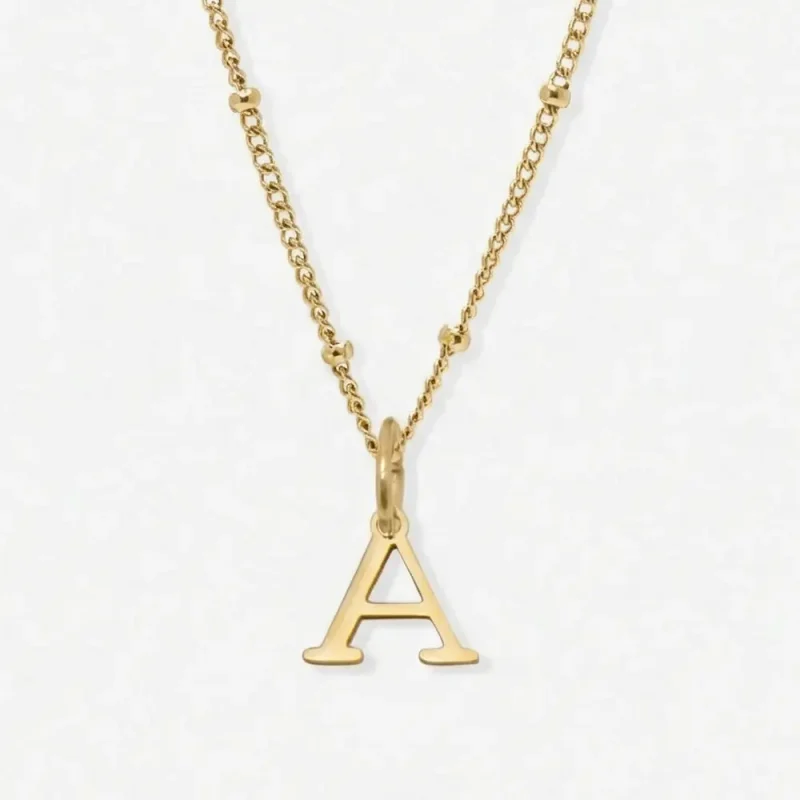
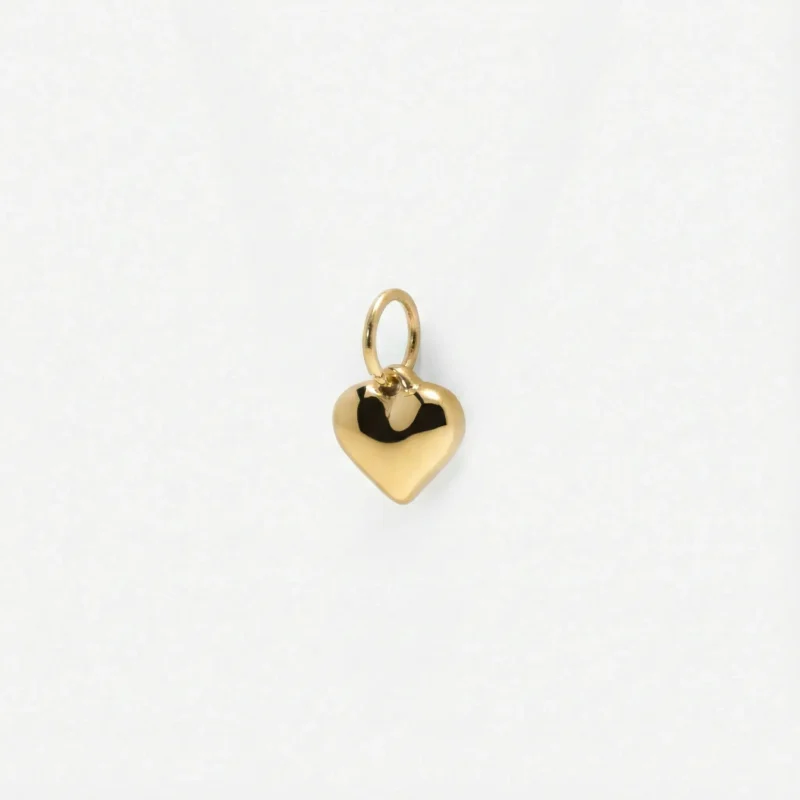
A lighter touch tends to age better. An initial references the person without tying the piece to an event, which is why initial pieces such as an Alphabet Necklace work so well for marking a moment: personal, yet not dated. A small symbolic piece, like a Chubby Heart Charm, can hold a relationship or a private meaning without spelling it out. A piece chosen to reflect who the recipient is becoming, in place of an engraving of what they have just done, tends to stay meaningful even as the milestone recedes.
Why does the piece matter more than the occasion over time?
Over time, the quality and wearability of a piece tend to matter more than the grandeur of the occasion. A clear pattern shows up in which milestone gifts people actually keep: a piece given for a very proud achievement can sit unworn if it is not beautiful or practical enough for regular wear, while a piece given for a smaller moment gets worn constantly because it fits the recipient's life. When a gift is fresh, the meaning sits in the occasion. As years pass, the occasion becomes history, and what keeps the piece in active use is the piece itself.
That argues for choosing a milestone gift with the same care you would give any piece meant for daily wear. Is it beautiful? Does it work with what the recipient actually wears? Does it suit the life they are living now? When a piece is both meaningful to the moment and genuinely wearable for the future, it tends to carry its weight across time almost naturally. The same instinct applies whether you are marking your own milestone or someone else's, and it sits at the heart of choosing any meaningful jewellery gift.
FAQ
What is a good jewellery gift to mark an achievement?
A simple, well made piece the recipient will wear often, in a durable metal that suits their taste. An achievement jewellery gift lands best when it works as an everyday piece, beyond serving as a memento of the occasion.
Should milestone jewellery be engraved?
Light personalisation, such as an initial, usually ages better than an engraved date. It references the person without tying the piece to a single moment that may feel dated in later years.
What jewellery suits a graduation or new job?
A classic, understated piece suited to the recipient's new context works well. For a graduation or first job, choose something they can wear into the life the milestone is opening, ahead of a piece that simply commemorates the day.
Is jewellery a good gift for a private milestone?
Yes. A piece can carry a meaning only the wearer knows, which makes it well suited to recoveries, personal breakthroughs and quiet commitments that have no public ceremony.
How do I choose a milestone piece someone will actually wear?
Choose for their everyday taste as much as the occasion: the right metal, a wearable scale, and a style they already favour. A piece that fits their daily life stays in use long after the milestone has passed.
Related pieces
An Alphabet Necklace marks a milestone through an initial, holding the moment without pinning the piece to a date, which keeps it wearable long after the occasion. A Chubby Heart Charm carries a quieter kind of meaning, well suited to a milestone built around a relationship or a private commitment, and reads as an everyday piece more than a one off keepsake. Both work in durable, tarnish free materials that stand up to years of wear, which is what lets a milestone piece stay part of someone's daily life instead of their memory box.