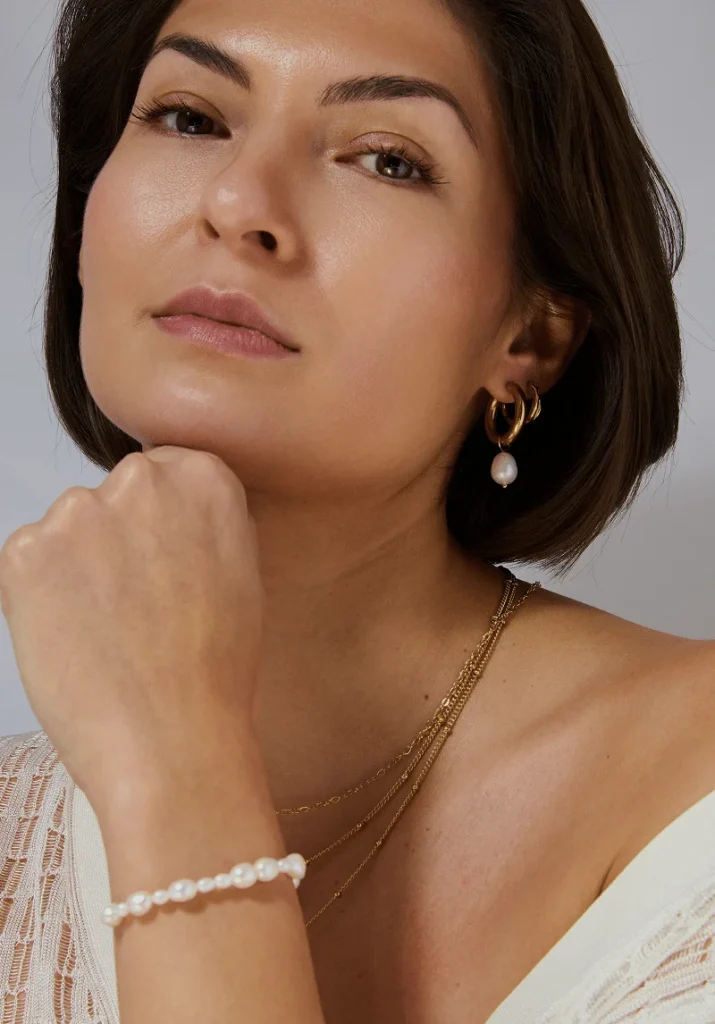


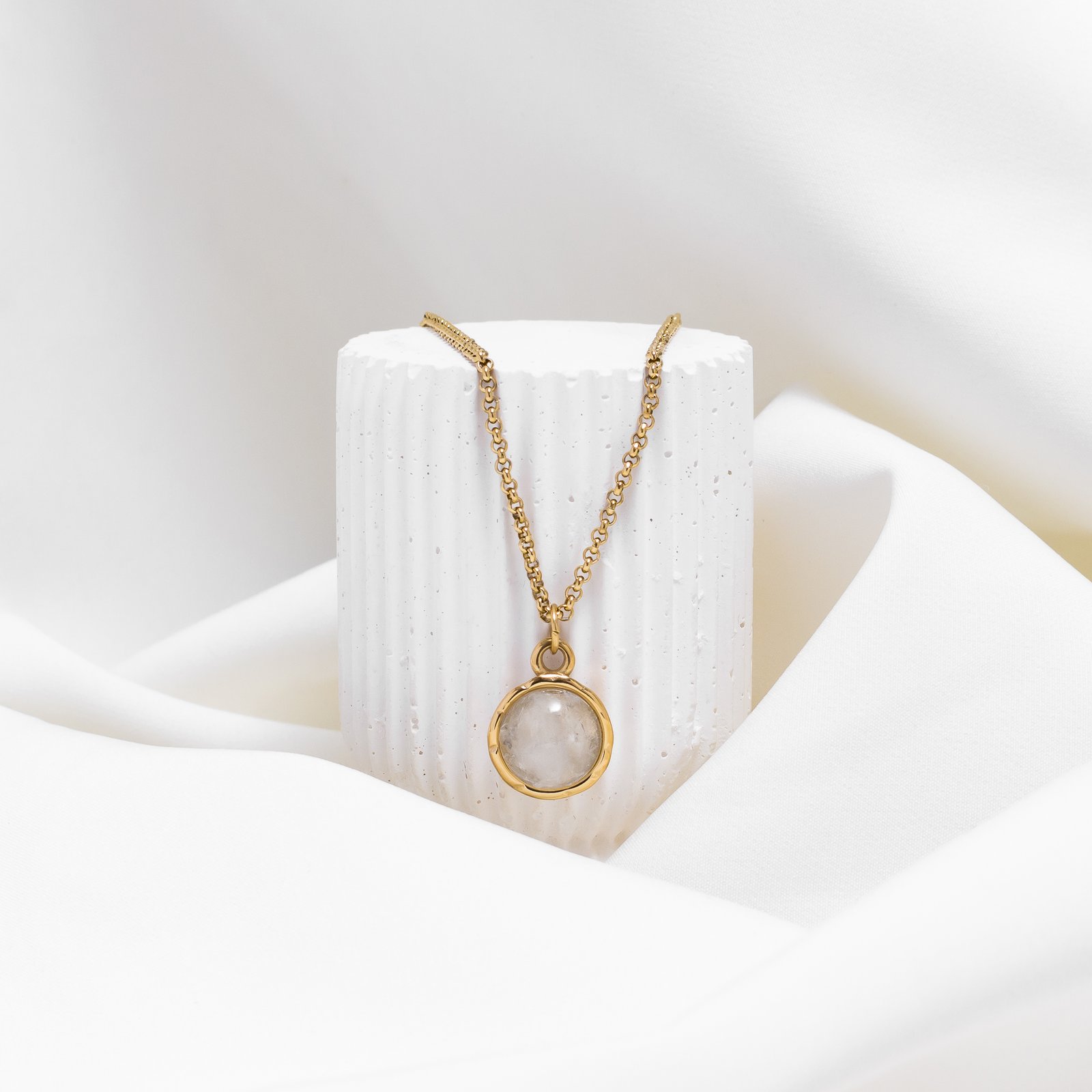
There is a moment, usually after something has shifted in your life, when you find yourself looking at a piece of jewellery for no one but you. No occasion is asking for it. No one else's taste needs satisfying. It is just you and an honest sense of what you will keep wearing. Buying jewellery for yourself is a genuinely different decision from buying for someone else, and that freedom can be harder to use well than it looks. Understanding why a self purchase works the way it does helps you choose a piece that stays meaningful for years, ahead of one bought on impulse.
Why is buying jewellery for yourself a different kind of decision?
Buying jewellery for yourself differs from ordinary shopping because, at meaningful moments, you are choosing for who you want to become as much as for who you are now. People tend to give themselves jewellery at particular points: a recovery, a graduation, a promotion, a significant birthday, the close of one chapter and the start of another. At these moments the purchase takes on a ceremonial quality. It becomes a way of marking the moment, moving past a simple transaction into something closer to ritual.
This is what tends to separate a meaningful self purchase of jewellery from a routine one. An everyday purchase is usually driven by immediate want: I like this, I need this. A piece chosen to mark something shifts the question. You are making a quiet statement to your future self about what matters and what is worth keeping. With no one else to please, the choice can rest entirely on personal meaning, with no approval to seek.
Why do we treat ourselves to jewellery at all?
Treating yourself to jewellery is often described as a small, deliberate act of self communication, usually planned with care and tied closely to a moment. People frequently buy for themselves as a reward or as a way of marking a threshold, which is part of why it feels so different from an ordinary buy. The piece becomes a way of saying, to yourself, that something happened and deserved to be acknowledged.
A self purchase at a significant moment also tends to work as a form of self validation. Choosing a piece to mark a transition is a way of telling yourself the change is real, that you have done something worth recognising, and that the new phase deserves to begin with intention. The piece bought for yourself at such a moment often fits the new life with unusual accuracy, because it is chosen by the one person who knows exactly what the moment meant.
How does choosing for yourself change the selection process?
Choosing for yourself removes the constraint of another person's taste, which is freeing and also asks for more honesty. When buying for someone else, the recipient is clearly defined and the questions are about them. When buying for yourself, the questions turn inward: why am I buying this, what do I want it to mean, who do I want to be when I wear it. Those questions take genuine reflection, and that reflection is part of what makes the purchase meaningful, because it builds intention and commitment into the choice.
With no one to please, the choice can rest on personal meaning alone, which tends to push people toward more intentional pieces, better aligned with their actual aesthetic and less driven by passing trends. A piece bought this way carries a private symbolism: it says you value yourself enough to choose something considered and lasting, and that you expect it to still matter to you years from now. That symbolism is visible first to the wearer, and it is no less significant for being personal.
When does a self-purchase mark a moment as well as a gift would?
A self purchase can mark a moment as powerfully as a gift when it is chosen with real thought about what the piece should mean. Pieces bought for yourself often hold up well emotionally, precisely because the chooser and the wearer are the same person. There is no ambiguity about why it was bought or what it stands for, which gives self gifted pieces a coherence other objects can lack; they are rarely acquired by accident.
Receiving a gift from someone else is about being known and valued by that person. Buying for yourself is about knowing and valuing yourself, a form of self recognition. When the purchase marks a real moment, a recovery, an achievement, a decision, it becomes a way of saying the moment deserves a lasting marker. The piece then holds the moment in material form. In a culture that leans heavily on immediate gratification, choosing something you intend to keep and wear for decades is its own quiet statement about what is worth holding onto. There are times when jewellery is simply the right way to mark something, for yourself as much as for anyone else.
How do you choose a piece for your future self?
Choosing for your future self works best when you buy with honest knowledge of what that self will actually want and wear, ahead of what feels novel today. There is no guesswork and no obligation to meet anyone's expectations, only an honest read of what will bring you pleasure and meaning over time. That honesty tends to produce pieces that age well, in both material and emotional terms.
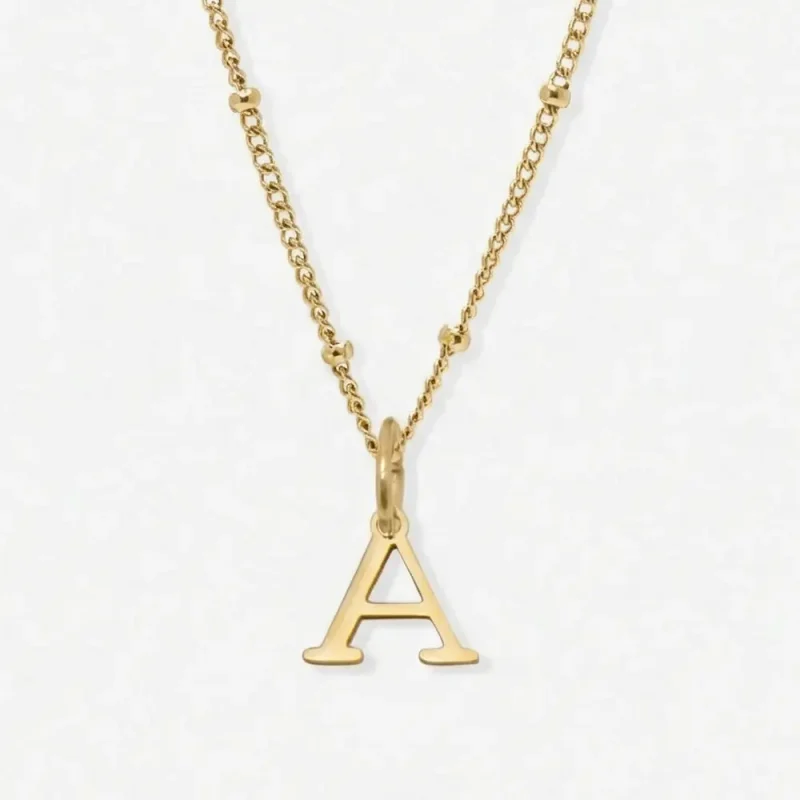
In practice, that means favouring durable, tarnish free materials, a wearable scale and a style that genuinely suits your life, in place of a trend of the season. A self gift necklace or a pair of hoops chosen this way keeps working long after the moment that prompted it, gathering the history of every wearing since. It also helps to be honest about how you actually live: the pieces you keep wearing tend to be the ones that survive a busy morning, a shower, a long day at a desk, without asking to be taken off and looked after.
Worn regularly, the piece becomes a quiet dialogue between your present self and the self who chose it, and over the years it turns into a small archive of your own choices and transitions. You might find that a piece bought to mark one moment quietly takes on the colour of everything that came after it, the ordinary days as much as the big ones. The same care you would bring to choosing a meaningful gift for someone else applies here, with the advantage that you already know the recipient completely.
FAQ
Is it normal to buy jewellery for yourself?
Yes. Self gifting is a well documented way people shop, and jewellery is a common choice for marking achievements, recoveries and transitions with something lasting.
What is a good reason to treat yourself to jewellery?
Significant moments suit it best: a promotion, a recovery, a milestone birthday, or the start of a new chapter. At these points a self purchase works as a deliberate way of marking the moment.
How do I choose a self-gift necklace I will keep wearing?
Choose for your everyday life ahead of a trend: a durable, tarnish free material, a comfortable length and a style you already reach for. A piece that fits your real wardrobe stays in use for years.
Does a piece I buy myself carry less meaning than a gift?
No. A piece bought for yourself often holds its meaning especially well, because you know exactly why you chose it. The chooser and the wearer are the same person, which gives it a clear, lasting significance.
How much should I spend on jewellery for myself?
There is no set amount. A well made piece in a durable material you will wear for years tends to give more lasting value than a cheaper piece bought on impulse.
Related pieces
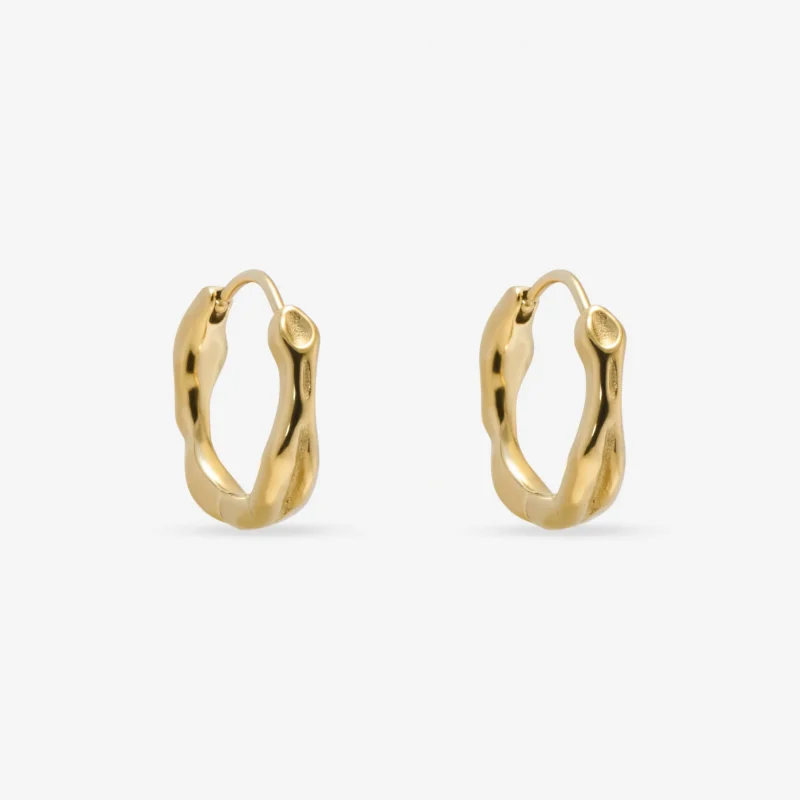
Molten Hoop Earrings make a strong self purchase when you want something you will reach for constantly, working across everyday and dressed up looks in a durable, tarnish free finish. Browsing the best sellers helps when you are marking a moment and want a simple, lasting piece ahead of a trend led one, since these tend to be the styles people keep wearing year after year. Both reward choosing for your future self: comfortable, hard wearing pieces that stay part of your daily life long after the moment that prompted them.