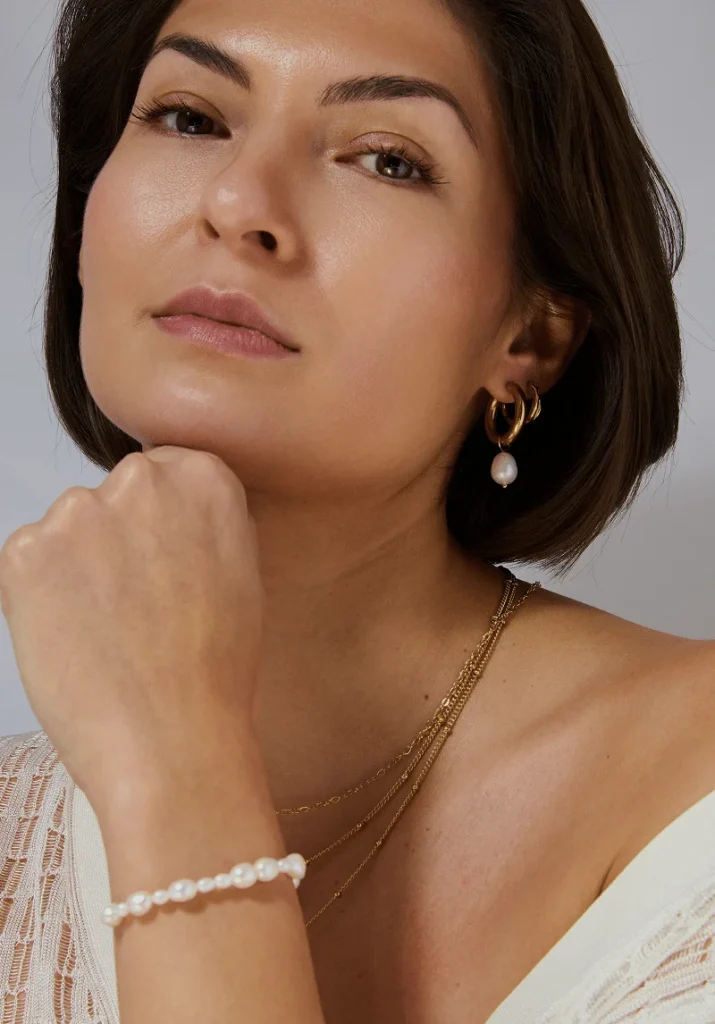


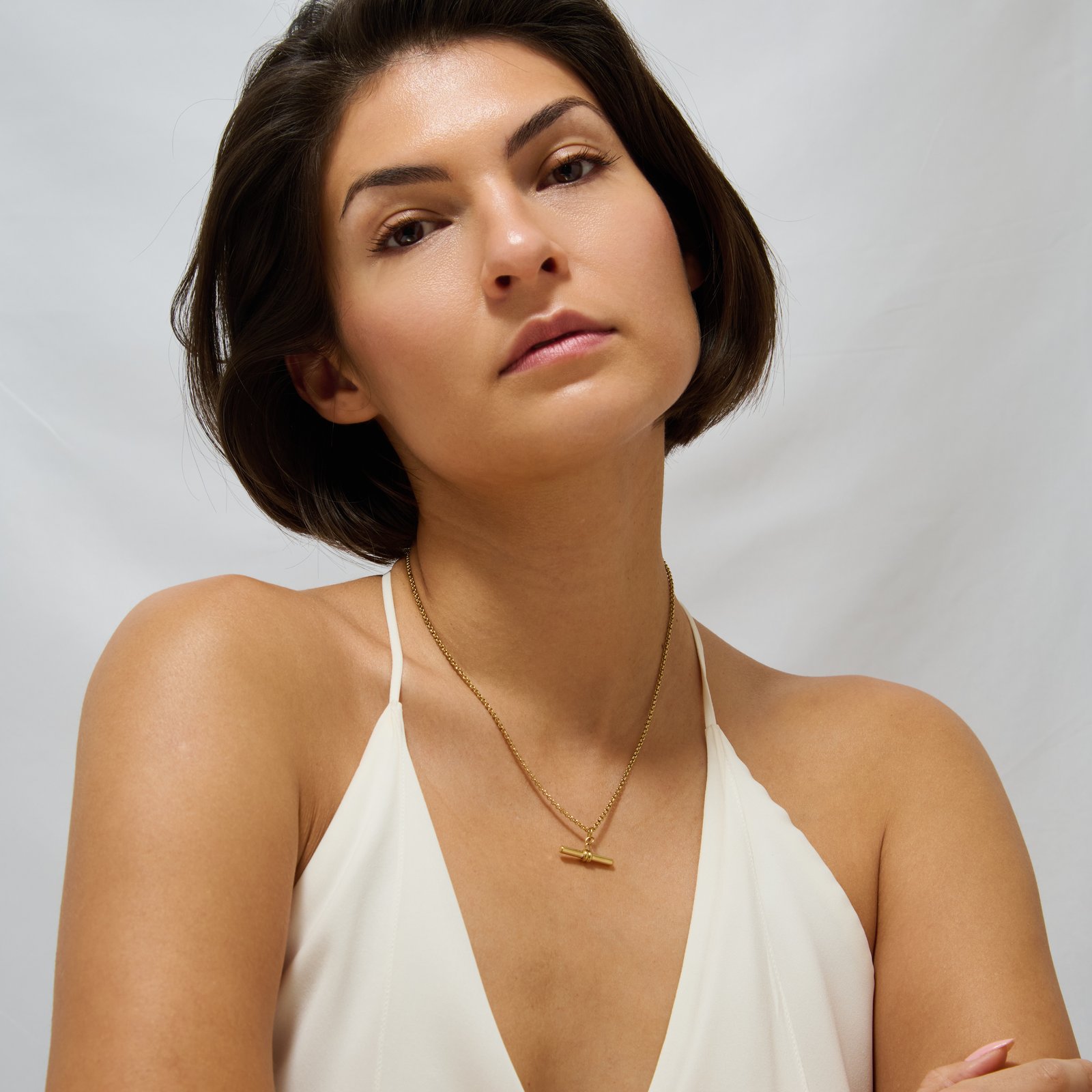
There is a quiet moment in the run-up to a wedding when you stand in front of the mirror with a few options laid out, and you find yourself asking what you actually want these pieces to hold. That instinct is worth following. When the question of how to choose wedding jewellery comes up, the most useful starting point is what you want a piece to carry, ahead of how it photographs on the day. Pick formats and metals you already wear, let your own history guide you, and ask whether you will still reach for the piece in five or ten years. Chosen this way, bridal jewellery tends to keep its place in your life well after the celebration, because it was selected for you and for the years that follow. The sections below walk through how to make that decision well, even when convention is pulling you toward something more elaborate.
Why does choosing meaningful bridal jewellery feel different from choosing pretty pieces?
Choosing for meaning asks harder questions than choosing for looks. A purely visual choice is quick. You see a piece, you imagine it on yourself, you judge the effect. A meaningful choice asks whether the piece reflects something true about who you are, whether it connects to your history, and whether you will still want to wear it years from now. Those questions tend to lead you somewhere quite different.
The reasoning you use shapes what you end up with. When you choose on appearance alone, you often pick the piece that suits the day. When you choose on meaning, you tend to pick the piece you will live with. The first gets worn once and photographs beautifully. The second becomes part of how people know you. Knowing which kind of choice you are making, before you start looking, tends to save you from buying something you admire on the day and quietly set aside afterwards.
What does meaningful actually mean when choosing wedding day jewellery?
Meaningful, in this context, describes jewellery that carries some personal weight and points to something true about you. It might honour a relationship or a person, reference a part of your life that matters, or acknowledge a family or cultural tradition. What separates a meaningful piece from a merely lovely one is that you could explain your choice with something deeper than liking how it looked. There would be a story behind it.
This kind of meaning is built on purpose, through intentional choice. You notice what matters to you, then look for jewellery that speaks to it. Sometimes that points toward pieces tied to your heritage or your family. Sometimes it points toward a piece that fits how you want to feel on the day, or who you want to be as a married person. The common thread is that the meaning comes from you, ahead of the conventions of the occasion.
How can your personal history guide a bridal jewellery choice?
One of the most direct ways to build meaning into bridal jewellery is to let your own history guide it. Many people inherit pieces from family, and those arrive with stories already attached. A grandmother's bracelet, a mother's necklace, an aunt's earrings: these have been worn and loved by people who matter to you. Wearing inherited jewellery on the day acknowledges a lineage and carries those relationships into a new chapter.
Plenty of people have no inherited pieces that suit a wedding, and the principle still holds. You might choose jewellery that reflects the traditions of your background, that uses materials or designs with cultural significance for you, or that honours a place or a set of values that shaped you. What makes these choices meaningful is that they are yours to make on purpose. You wear the piece because it means something to you, ahead of because it looks the part.
How does future intention shape the right choice?
Meaningful bridal jewellery is informed by the future as much as the past. A useful question to sit with is what you intend to do with the piece once the day is over. Some people plan to wear their wedding jewellery regularly and fold it into daily life. Others save it for occasions. Some hope to pass it on one day. Your honest intention tends to decide whether a piece will feel right over time or quietly disappoint you.
If you mean to wear a piece often, choose something that matches your actual style and sits naturally alongside the jewellery you already wear. If you mean to save it, you might be comfortable with something more formal. If you hope to pass it on, lasting design serves you better than whatever feels most current. The meaningful choice tends to be the one that lines up with how you will really live with the piece, which is why being honest with yourself matters more than picking the supposedly correct option.
When do inherited or borrowed pieces already carry the meaning you want?
Sometimes the meaningful piece you are looking for already exists. It might be inherited from family, borrowed from someone close, or something you already own that takes on new significance in the context of the wedding. Choosing to wear an existing piece is a meaningful decision in itself, because it acknowledges relationships and history you already have. Some of the most meaningful wedding day jewellery arrives weighted with significance before you ever put it on.
There is something particular about wearing your grandmother's bracelet on the day, or borrowing your mother's earrings. These pieces carry intention already. You do not have to construct the meaning, because it is embedded in the history of the object and the person who wore it before you. For many people this is also the most comfortable choice, since a familiar piece needs no getting used to on a day when your attention is already stretched thin.
How do you choose for the story a piece will tell over time?
Often the most meaningful bridal jewellery is the kind that gathers meaning gradually, through years of wear. These pieces do not arrive fully loaded with significance. They become significant because you wear them often, because they become part of how people recognise you, and because they collect associations and memories. That tends to happen when you choose thoughtfully, with an eye on whether the piece will still feel right in five, ten, or twenty years.
You cannot fully predict the story a piece will tell. What you choose is the foundation: a piece you think you will love, that speaks to you, that feels connected to who you are. Time and wear do the rest. The piece becomes part of your story through everything that happens while you wear it, and through what it meant when you first chose it. For many brides that is the surest route to wedding jewellery that keeps mattering long after the day itself.
FAQ
How do I start choosing wedding jewellery?
Start with what you already wear. Look at the metals, formats and proportions you reach for in ordinary life, and use those as your foundation. Choosing bridal jewellery that lines up with your existing taste tends to feel more natural on the day and gets worn far more afterwards.
Should wedding jewellery match the dress or match me?
Both can be true, though pieces chosen to suit you tend to last better than pieces chosen only to coordinate with the dress. A piece that reflects your own style stays wearable once the dress is packed away.
Is it acceptable to wear jewellery I already own on my wedding day?
Yes. A piece you already own and love often carries more personal meaning than something new, and it brings the comfort of familiarity to a day when a lot is already demanding your attention.
How do I make sure I will still like my wedding jewellery in ten years?
Favour clear form, honest materials and proportions that suit you, ahead of pieces tied to a current trend. Pieces built on those qualities tend to keep feeling right as your style changes.
Related pieces
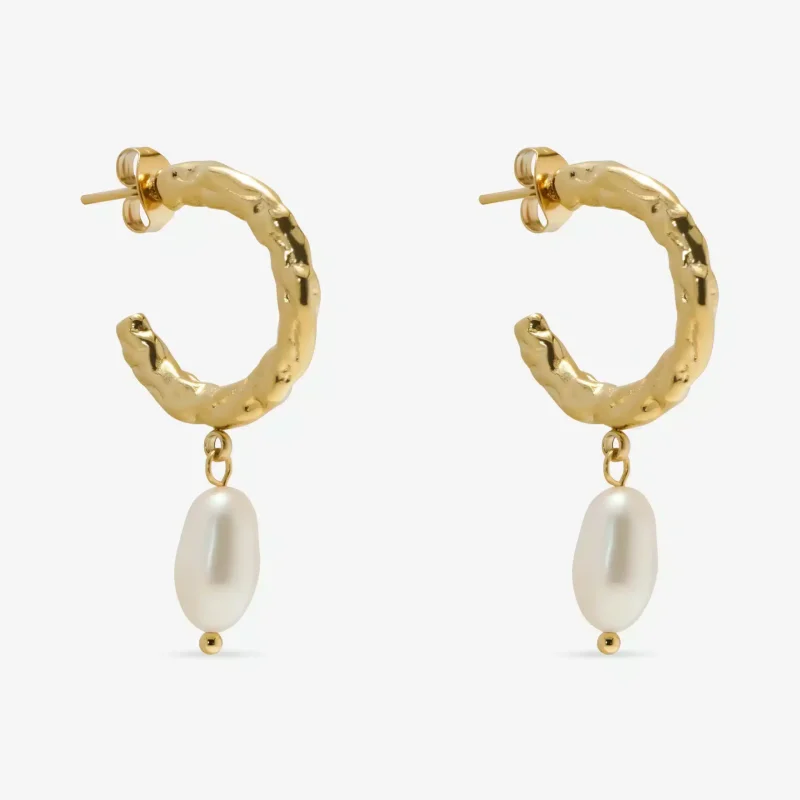
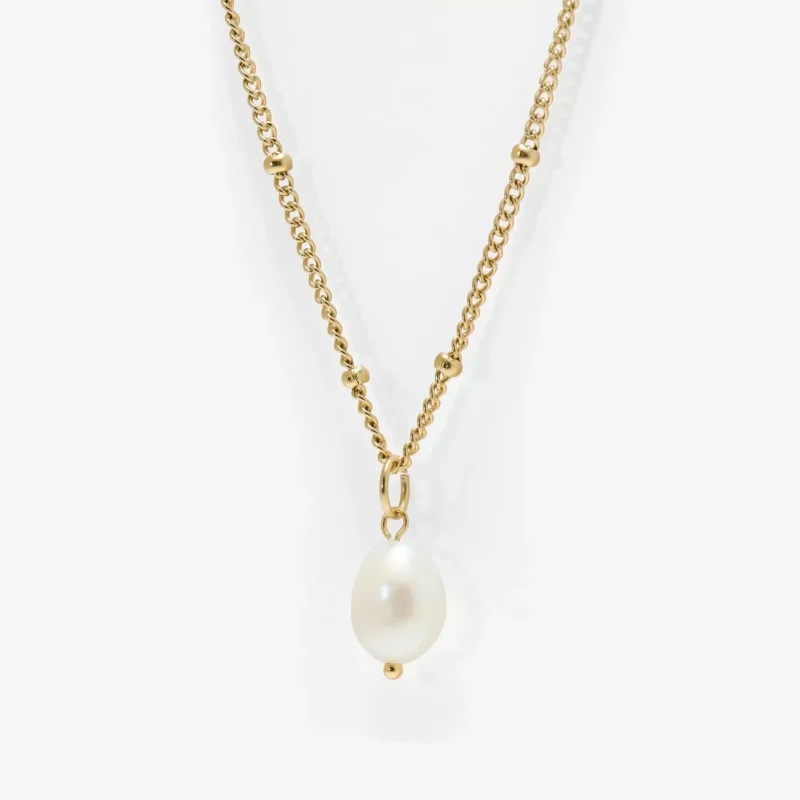
A Baroque Pearl Bridal Jewellery Set offers a coordinated starting point for the day while staying wearable afterwards, with pearls that carry a quiet, lasting kind of significance. Molten Baroque Pearl Hoops work in the same spirit on a smaller scale, an everyday-friendly piece that suits the wedding and the years that follow it. If you want the choice to feel personal, look first at minimal bridal jewellery you could fold into ordinary wear, and think about how each piece will fit your life after the wedding. Both pieces sit in a durable, tarnish-free material that holds up to regular wear.