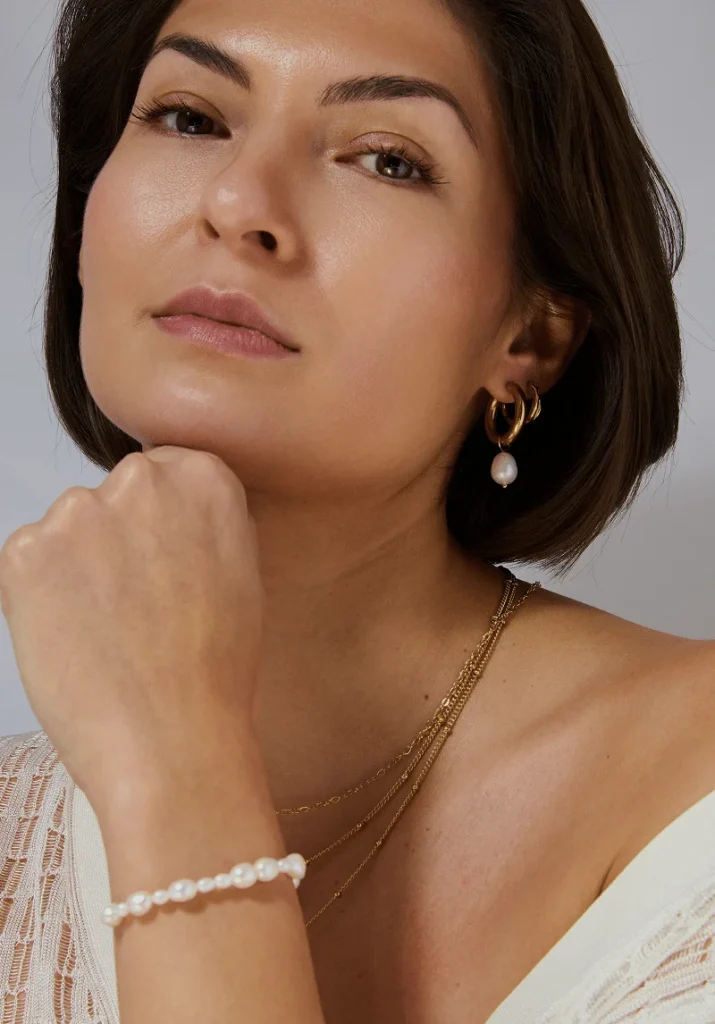


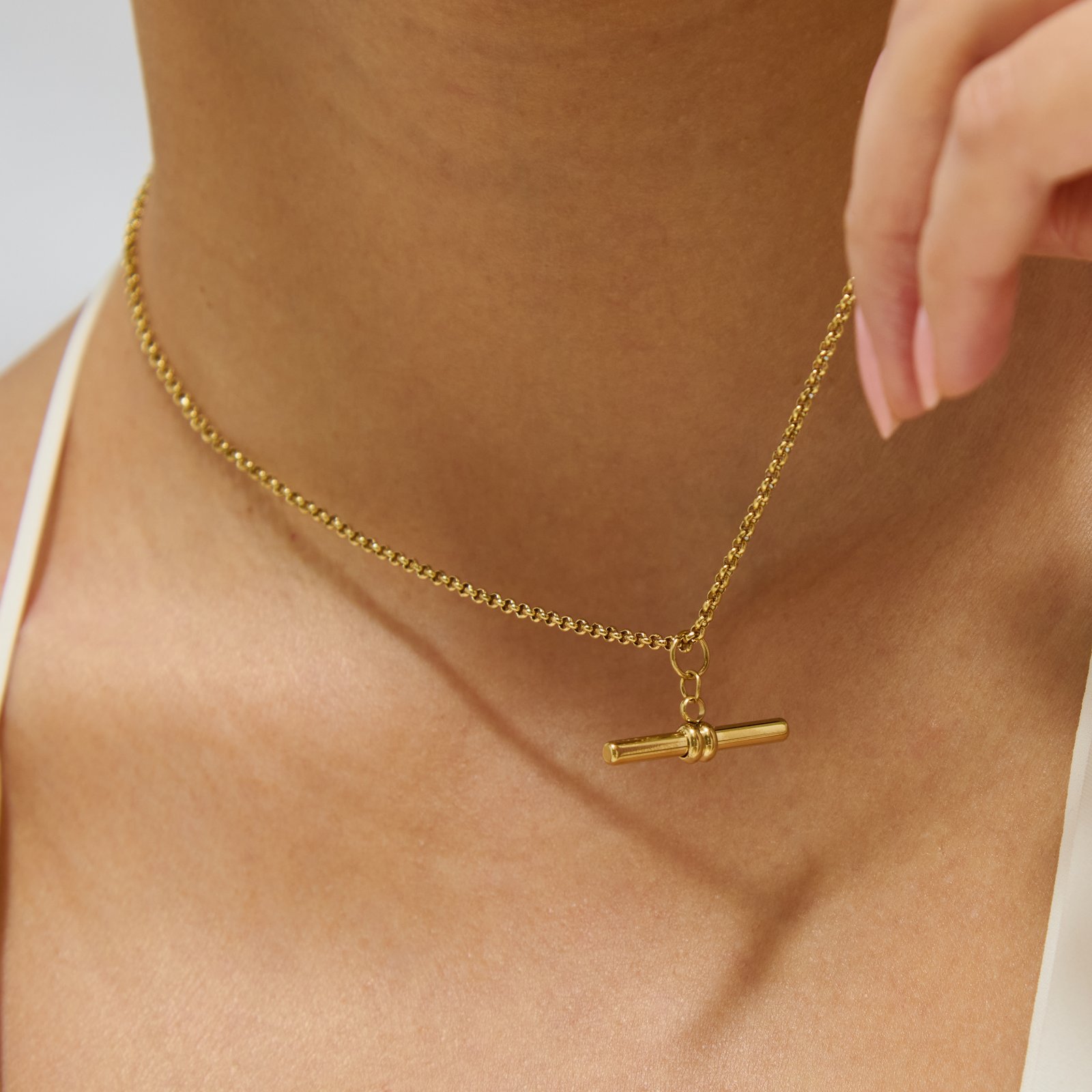
Picture the keepsake box a year on, the satin lining and the lid that closes a little too neatly. For a lot of people, that is where their wedding jewellery lives now, brought out on anniversaries and otherwise quietly waiting. The wedding jewellery you can wear again is the piece chosen for the years after the day as much as for the day itself, well made enough for regular wear, scaled for ordinary clothes, and free of any design that marks it as ceremony-only. Most of us plan for how a piece looks at the altar and give barely a thought to what happens next. The piece that becomes part of daily life tends to be the one chosen with that next part already in mind. What follows sets out what makes bridal jewellery rewearable, and how to choose it without losing anything that suits the occasion.
Why does so much bridal jewellery end up unworn?
So much bridal jewellery ends up unworn because it was designed for one afternoon and asked to do nothing more. Pieces chosen to look right in a particular dress, to photograph beautifully, and to feel ceremonial often go quiet afterwards, present on anniversaries but absent from ordinary weeks. The reason is seldom quality. More often the design was tied so closely to the wedding that wearing it elsewhere feels like a small mistake, because the piece reads as wedding the moment you put it on, and it will read that way years later too.
People also own fewer pieces now and tend to expect each one to earn its keep across different settings. A necklace bought for the ceremony is far more likely to stay in rotation if it suits regular life. When a piece only suits formal dress, it waits for the formal occasions that arrive rarely, and the waiting quietly becomes permanent. Choosing with rewearability in mind from the start changes the brief, and tends to produce pieces that serve both the day and the years that follow.
What design features make wedding jewellery genuinely rewearable?
In my experience, rewearable bridal jewellery shares three qualities: sound construction, restrained scale, and a design that does not announce itself as bridal. The first is that it is made well enough to withstand regular wear. The joints are secure, the materials are durable, the finish holds. A piece can look delicate and still survive daily life if it has been built thoughtfully.
The second is that it is scaled and proportioned for a body in ordinary clothes. Pieces designed for the formality of a wedding can feel out of proportion once that formality has passed. Restraint helps a piece sit easily alongside everyday clothes and other jewellery without catching or crowding the frame. The third is that it avoids the design codes that mark a piece as occasion-only. That does not mean it has to be plain. It means the form does not signal wedding so loudly that it can only be worn at one. A fine chain with a small pendant, small hoops or simple studs, a delicate bracelet: these read as refined at a ceremony and as ordinary jewellery afterwards.
How does scale and formality affect everyday wear?
Scale matters more than most people expect, and it is really about proportion more than absolute size. A necklace scaled for a formal occasion can feel wrong with everyday clothes, while a bolder piece can feel right on a Tuesday because it balances with the frame and what is worn around it. A delicate necklace can disappear against the volume of a wedding dress yet sit perfectly with a jumper. The honest question to ask is how a piece will look in normal clothes, and whether it will feel balanced or simply like too much.
It helps to look at what you already wear. If your daily jewellery is minimal, bold bridal pieces will probably feel uncomfortable when you try them later. If you lean towards delicate, simple things, heavily decorated bridal jewellery may never quite settle into your wardrobe. Jewellery tends to feel right when it sits naturally within how you actually dress, so coherence with your everyday taste is a reliable guide. A piece that feels like a departure from your usual style is worth noticing before you commit to it.
Why does everyday life demand more of a piece than a wedding does?
Everyday life is harder on jewellery than a single occasion is. It involves washing hands, knocking against desks, contact with lotions and perfumes, and the repeated small stresses of movement. A piece designed to look beautiful for a few hours may not hold up to months of this. Earrings need secure posts and backs, and necklaces and bracelets need to flex with the body while holding their fastenings. Every join and clasp gets tested again and again, so construction that seems adequate for one day can fail under sustained use.
Materials decide much of the outcome. Some metals discolour with moisture or chemicals, some finishes wear away with handling, some stones scratch under normal use. A tarnish-resistant material that tolerates water, lotion and daily handling tends to get reached for far more often than one that needs careful management, because it matches how people actually live with jewellery. When you are weighing up a piece for everyday wear, look closely at the settings, the fasteners and the metal, and try it on with the clothes you wear day to day, not just with the dress.
When does wedding jewellery earn its place in daily life?
Wedding jewellery earns its place in daily life when it is well made, sensibly scaled, free of strictly ceremonial design, coherent with your existing style, and chosen with the intention of wearing it. That last point does most of the work. A piece picked only for how it looks on the day behaves differently from one picked because you can already picture wearing it the week after, and the month after that. When the imagining feels good, the choice tends to be right.
A piece chosen this way stops being a souvenir and becomes simply jewellery you wear. It develops a quiet patina, the odd small mark, the familiarity that comes from being put on without thinking. These are the signs of a piece being lived with, and they deepen attachment over time. A necklace worn through the first year of marriage holds the wedding and also holds those ordinary weeks. Its meaning grows through use, which a piece kept in a box never gains.
Does choosing for everyday wear reduce the meaning of the day?
For many wearers, choosing for everyday wear adds to the meaning of the day. Keeping a piece pristine in a box protects the object while suspending its meaning at the moment you acquired it. A piece worn through ordinary life carries the wedding forward into all those days, surfacing in small moments of recognition each time it goes on. The instinct to preserve something precious is understandable, yet for jewellery capable of daily wear, wearing it tends to sustain meaning more fully than storing it does.
There is also a simple case for use. A beautiful piece deserves to be seen, and a significant one deserves to take part in the life it represents. The ceremony was one day; the marriage is all the days since. Choosing jewellery you will actually reach for, ahead of jewellery you keep safe and admire from a distance, is the throughline of every decision here.
Frequently asked questions
What makes wedding jewellery rewearable?
Sound construction, restrained scale, durable and tarnish-resistant materials, and a design that does not read as strictly bridal. A fine chain, small hoops, or a delicate bracelet move into everyday wear far more readily than heavily embellished occasion pieces.
Can delicate bridal jewellery survive daily wear?
Yes, if it is well made. Delicate appearance and durability are separate things. Check that posts, clasps and settings are secure and that the metal tolerates water and lotions, and a fine piece can be worn regularly without trouble.
Should I keep my wedding jewellery in a box to protect it?
Storing a piece protects it physically but keeps its meaning fixed to a single day. For jewellery suited to daily wear, regular wearing builds new associations and tends to make the piece feel more personal over time.
How do I know if a bridal piece will work in everyday life?
Try it on with the clothes you actually wear, not the dress. If the scale feels balanced, the piece is comfortable for long periods, and it sits naturally alongside your other jewellery, it will work in ordinary contexts.
Is it worth choosing simpler jewellery for the wedding?
Simpler pieces tend to work across more settings, so they get worn more and gather more meaning. Material quality, proportion and finish carry significance without ornament, which is why a plain, well-made piece often becomes the one you keep reaching for.
Related pieces
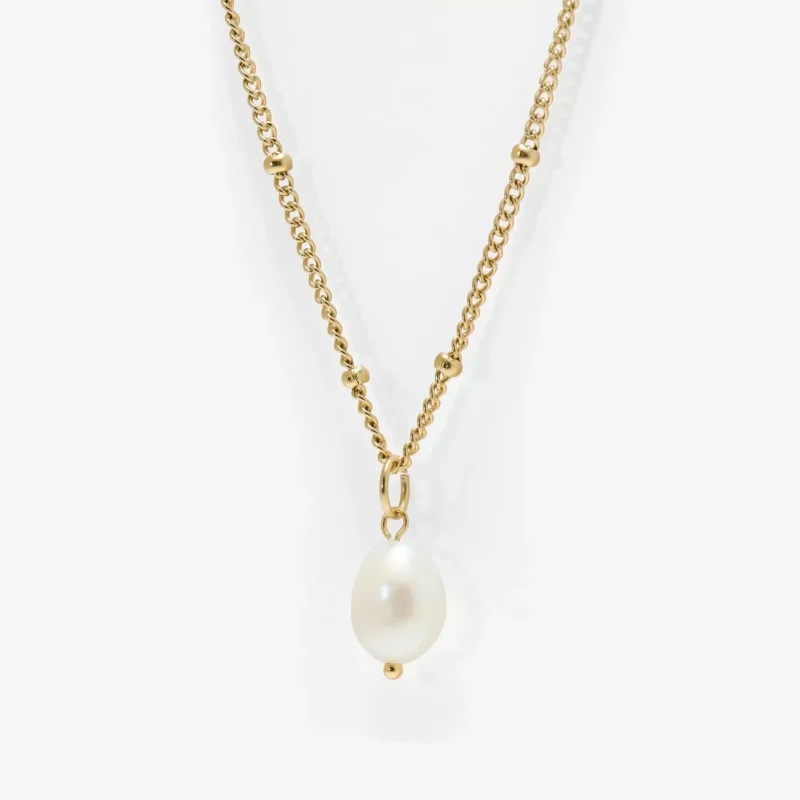
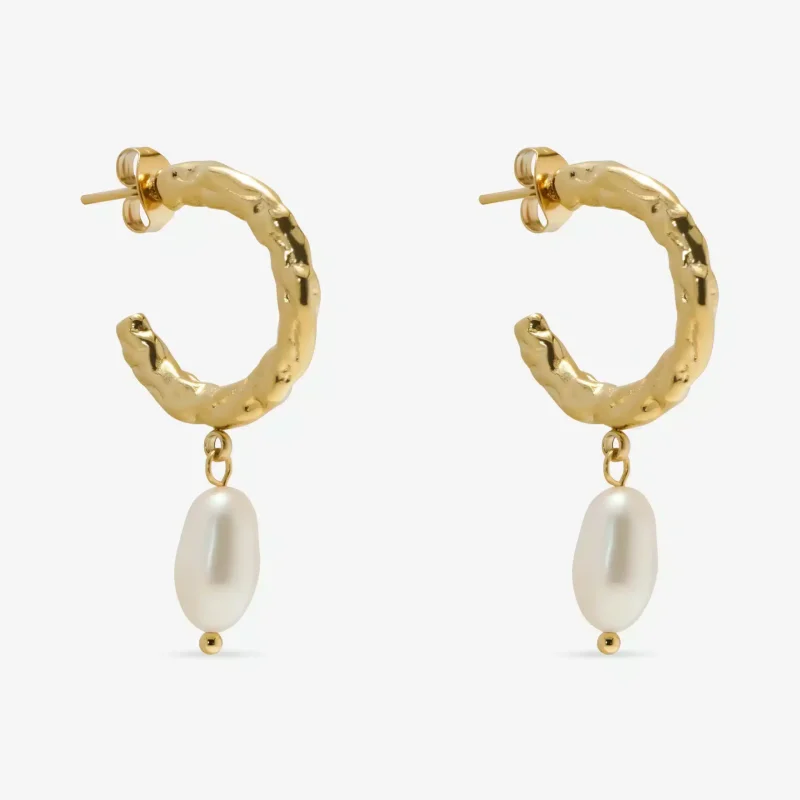
A Baroque Pearl Necklace suits a ceremony and settles just as easily into everyday wear, with a fine, restrained form that sits alongside ordinary clothes instead of waiting for the next formal occasion. Molten Baroque Pearl Hoops carry the same quality: refined enough for the day, comfortable and durable enough for regular wear afterwards. Both are made in a tarnish-free, waterproof material designed for everyday rewear, which is what lets a wedding piece become simply a piece you live with. Choosing on that basis, ahead of occasion-only drama, is the surest way to end up with jewellery you wear again.