

You have found a chain you love and the price feels kind, and then a small doubt creeps in. Will it still look like this by spring, or will it fade at the clasp and end up in a drawer with the others? Buying jewellery on a budget works best once you stop reading the label price and start thinking in cost per year of wear. The money is well spent on the parts that decide how long a piece survives, which are the base metal, the coating and the clasp. The rest, such as branding and heavy packaging, only adds to the price. Done this way, an affordable piece can last for years and work out cheaper than a string of replacements. A small budget goes a long way once you know which parts of a piece earn their cost, and most of the difference between a chain that survives and one that fades sits in details you can check before you buy.
What does a budget actually buy?
On a budget, the money is best spent on construction. A piece that lasts comes down to a sound base metal, a hard-wearing finish and a solid clasp. These are the parts that take the strain of daily wear, and they are where a low price most often cuts corners. Spending here gives you the most wear for your money, because these are the elements that decide whether a piece is still wearable in a year or sitting tarnished in a drawer.
Plenty of the figure on a label has little to do with durability. Heavy packaging, marketing and a well-known name can all add cost while making a chain last not a day longer. Once you separate what affects longevity from what merely adds to the price, a modest budget stretches further than it first appears, because you stop paying for the parts that add nothing to the wear. The aim is to put your money into the metal and the build, where it turns directly into years of wear.
How to buy good jewellery cheaply
To buy good jewellery cheaply, check the base metal first. A label reading 316L stainless steel tells you the piece resists corrosion. Brass or copper alloy tells you the base is more vulnerable to tarnish near water and sweat. No disclosure at all is a warning sign, since makers proud of their materials tend to name them clearly. The base metal sets the ceiling on how long a piece can last, so it is the first thing worth confirming.
Then look at the finish and the clasp. A coating named as PVD on a stainless steel base is a strong sign for everyday durability, because PVD bonds a hard layer into the metal that resists abrasion and tarnish. Thin gold plating with no stated thickness wears sooner. Work the clasp a few times to feel whether it sits solid or flexes and rattles, since the clasp takes more stress than any other part and is a common point of failure. These three checks, base, finish and clasp, sort the lasting pieces from the throwaway ones without needing a big budget.
What is the best value everyday jewellery?
The best value everyday jewellery combines a durable base with a hard-wearing finish at a sensible price, which is what makes recycled stainless steel with a gold PVD coating such a practical pick. The steel resists corrosion in water and sweat, and the PVD coating holds its colour for years, so a piece worn most days keeps looking right, with the colour staying put at the clasp through months of handling. For a daily piece, that staying power is worth more than a small saving on a cheaper item that gives up after a season.
Value also depends on how versatile a piece is. A plain chain, a pair of hoops or a simple bangle each works across many outfits and seasons, so the cost spreads across far more wear than an occasion piece worn twice a year. The more days a piece earns on, the lower its real cost, which is why simple, hard-wearing everyday pieces tend to give the best return on a budget. A versatile piece you reach for daily quietly becomes the cheapest thing in the drawer per wear.
Affordable jewellery that lasts: building it up
Affordable jewellery that lasts is easier to reach by building slowly than by buying a lot at once. Start with one or two pieces you will wear most days, in materials chosen to survive that wear, then add as the budget allows. A small set of durable, versatile pieces gives more use than a drawer of cheap items that fade. For a fuller method, see building a collection that lasts, which sets out how to grow a set over time while keeping the spend gentle.
Buying fewer, better pieces also spares you the trap that catches budget shoppers most often, which is paying repeatedly for the same item. Thin plating over a reactive base tends to wear through within months, so the cheap piece gets replaced again and again until it has quietly cost more than a durable one would have. The detail of why that happens is worth understanding, and you can read why cheap jewellery costs more before your next purchase.
Where it pays to spend and where to save
Spend where the wear happens. The base metal, the coating and the clasp decide how long a piece lasts, so these deserve the budget. A 316L stainless steel base with a PVD coating and a solid clasp gives years of wear from a single modest purchase. This is the part of the price that turns into longevity, and it is where a small step up in spend often pays back many times over.
Save on everything that leaves durability untouched. You can skip heavy presentation, frequent trend-led buys and pieces in materials you already know will tarnish. Working out the cost per year of wear before buying makes the choice clear. A piece costing a little more but lasting five years beats one that is cheap today and gone by spring. That single sum is the most useful budgeting habit in jewellery, and it reframes a higher price as the cheaper option once you account for how long the piece survives. Used consistently, it turns budget shopping from a gamble into a straightforward calculation.
Frequently asked questions
How can I buy good jewellery on a budget?
Judge value by cost per year of wear, not the label price. Check the base metal, the finish and the clasp, since these decide how long a piece lasts. A 316L stainless steel base with a PVD coating and a solid clasp gives years of wear at a sensible price.
What is the best value everyday jewellery?
Recycled stainless steel with a gold PVD coating offers strong value for daily wear: the steel resists corrosion and the coating holds its colour for years. Simple, versatile pieces such as a plain chain or hoops spread their cost across more days of wear.
Is cheap jewellery a waste of money?
It depends on how you wear it. For occasional or changing styles, inexpensive pieces can be fine. For something worn daily over years, thin plating over a reactive base tends to wear through within months and get replaced repeatedly, which often costs more than one durable piece.
How do I work out if a piece is good value?
Divide the price by the years it will realistically last. A twenty-pound piece lasting four months costs about sixty pounds a year, while a sixty-pound piece lasting five years costs twelve. Cost per year of wear shows value more clearly than the price tag.
Related pieces
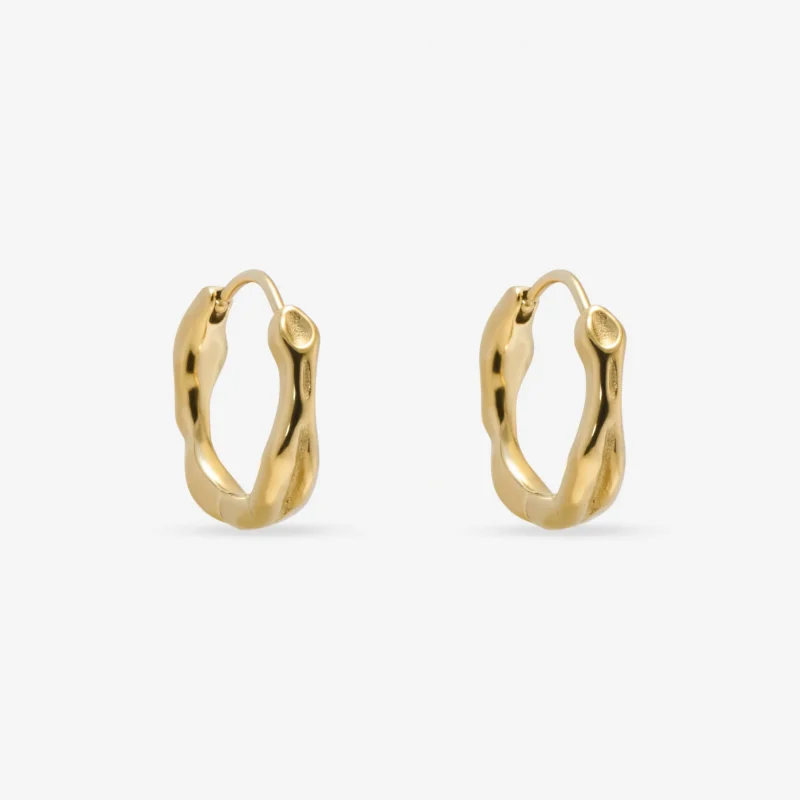
Good value on a budget comes from a stable base, a bonded finish and a solid clasp. Our best sellers and the Molten Hoop Earrings are made from recycled stainless steel with a 14k gold PVD coating: waterproof, tarnish-free and hypoallergenic, built to hold their colour and shape through years of daily wear. Chosen this way, one piece worn for years works out cheaper than a run of replacements.