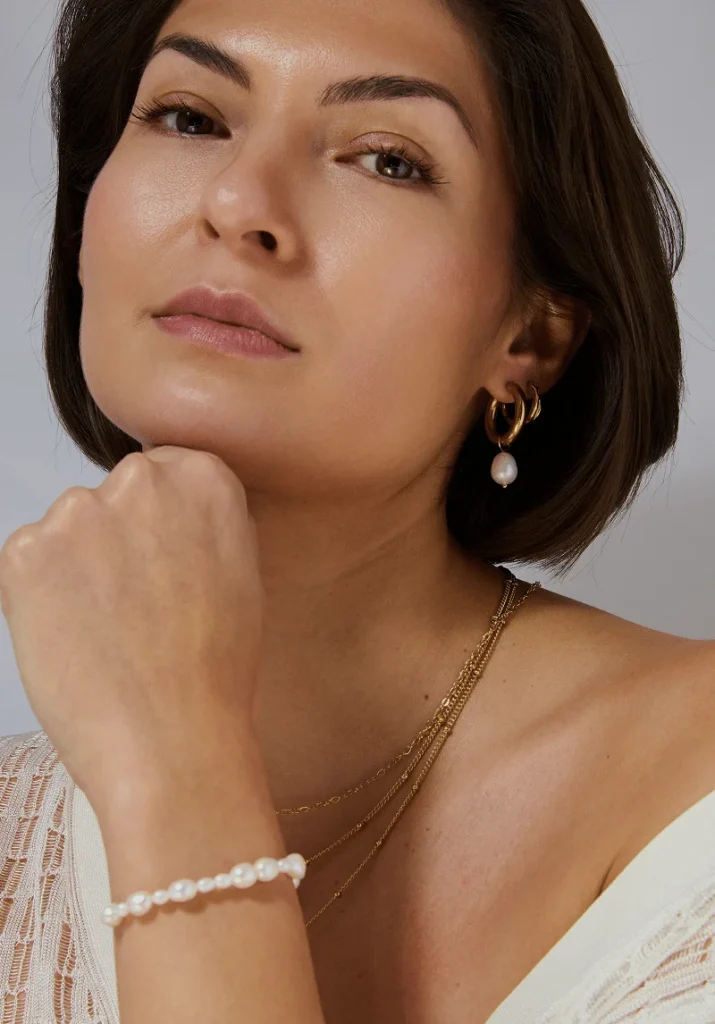


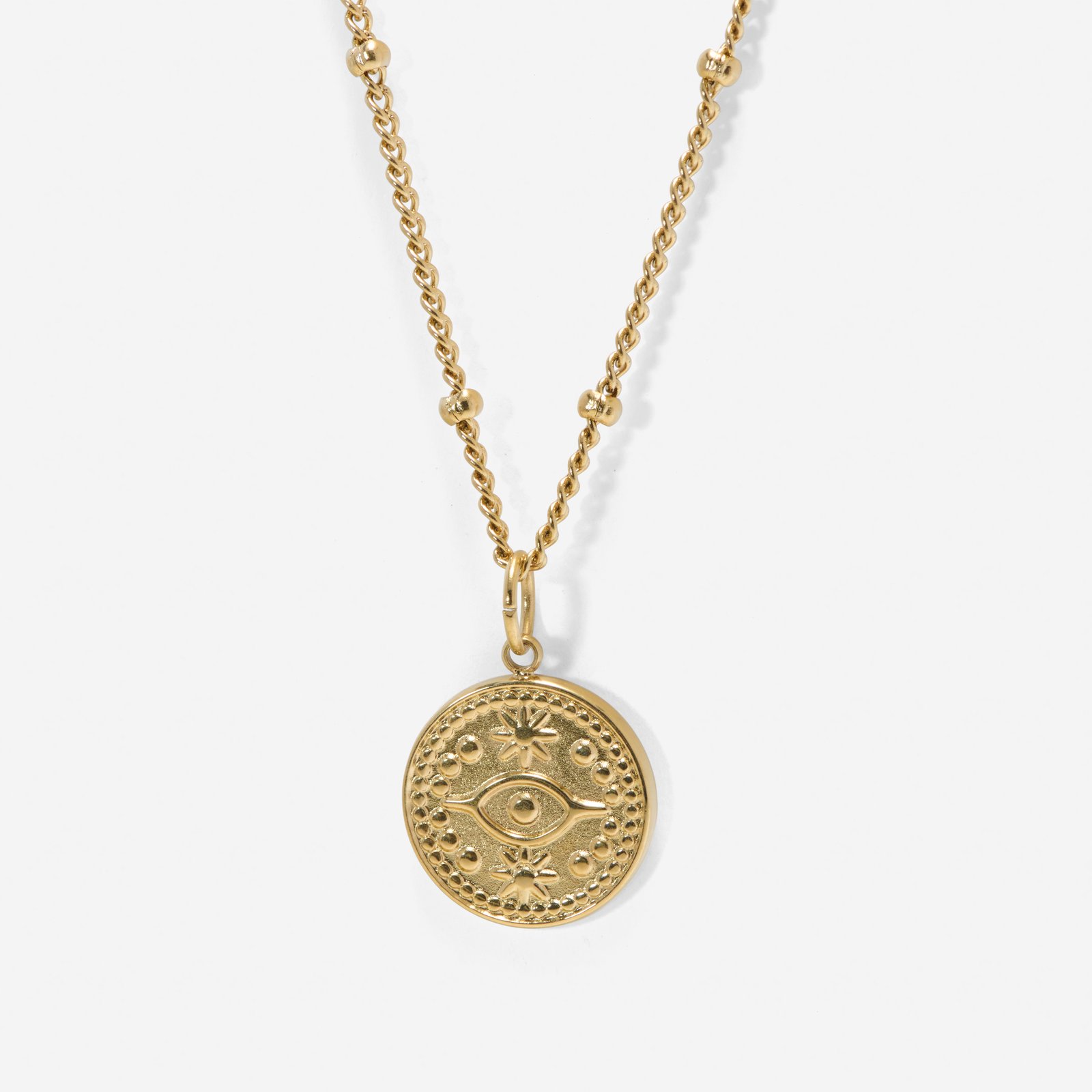
You add the earrings, then a necklace, then a second necklace, then a bracelet, and somewhere in there a look that felt considered starts to feel busy. Most of us have caught it in a shop window or a photo afterwards. The reassuring part is that there is no fixed number of pieces that counts as too much. Overaccessorising is a perceptual threshold: the point at which pieces stop reading as chosen and start reading as accumulated.
To not overaccessorise, let one piece lead, keep the rest in a supporting role, and check that the pieces share a visual relationship instead of competing. A simple working guide is one to two pieces for casual wear and three to four for a dressed-up occasion, adjusted to how the look actually reads. This guide explains where the threshold sits, why restraint reads as intention, and how to balance jewellery with an outfit.
What does overaccessorising actually look like?
Overaccessorising is hard to define as a number, because no fixed count triggers it. It is a perceptual thing. When someone's eye lands on a person wearing jewellery, it takes a moment to process and form an impression. If too much information competes for attention, that impression becomes fragmented instead of coherent.
It happens when multiple pieces lack any visual relationship to each other. Three necklaces of different lengths and styles create visual noise. Stacked bracelets in unrelated metals and weights fight for dominance. Several necklaces and bracelets that share no design language overwhelm the eye, which cannot form a unified composition and so reads the arrangement as accidental.
It also happens through quiet accumulation. Each piece on its own might be reasonable, though as layers are added, the total becomes busy. What feels fine while dressing can feel like too much three hours later, in different light and against different clothes. Because it develops gradually, the look can shift from intentional to cluttered with no clear moment where it tips.
Why does restraint read as intention?
When the eye encounters several objects, it automatically tries to organise them into groups and patterns. This happens at a perceptual level, below conscious thought. If the objects share properties, such as the same colour, a similar size, or a clear alignment, the eye groups them and reads them as intentional. If they have no clear relationship, the eye struggles to organise them and reads the arrangement as random.
Restraint serves this perceptual work. Fewer pieces are easier to organise, so a viewer receives a clear impression quickly, and a clear impression reads as deliberate. Excessive jewellery creates load: the eye works harder and the impression becomes confused. This is why restraint tends to be more visually striking than excess. A single strong necklace draws immediate attention, while the same necklace among many pieces can disappear in a crowded field.
The same principle runs through design and art generally. Less information, more clearly organised, communicates more strongly than more information poorly organised. Simplifying a combination increases the impact of the pieces in it.
How do you let one piece lead?
Visual hierarchy is a core styling principle. In any combination, one piece should be the clear focal point and the others should support it. A combination falters when several pieces compete for primary status, because no hierarchy is established and the effect becomes confused. Letting one piece lead means building the combination so a single piece anchors it: a bold necklace with minimal earrings and no bracelet, or a statement bracelet with simple, shorter necklaces.
This calls for some sense of visual weight. A chunky bracelet carries more weight than a delicate one, a bold necklace more than a simple pendant, a coloured stone more than metal alone. To establish a clear hierarchy, pair the heaviest piece with lighter supporting ones in complementary tones. Three pieces of equal weight give three competing leaders and no order, while one clear anchor with support reads as coherent.
Many people already do this without naming it. They wear a statement necklace with simple earrings and no bracelet because it feels right. That instinct is an understanding of hierarchy in practice. A rough working guide helps too: one to two pieces for casual wear, three to four when dressing up, with the dressier end held together by one clear lead.
How do you edit a combination instead of adding to it?
The usual impulse when assembling jewellery is to add: earrings, then a necklace, then a bracelet, each addition seeming to complete the picture. A more reliable approach is to start with more and then remove. Put on more than you expect to wear, then take pieces off one at a time until removing anything else would reduce the effect.
Editing works because it forces a judgement on each piece. Remove a piece and if the impression improves, that piece was redundant. Remove a piece and if something now feels missing, that piece was necessary. In practice this can mean keeping a combination on for a few hours and removing anything that feels like too much by midday, which steadily trains the eye for balance.
The mindset shift is from should I add this to should I keep this. That single change in the question reshapes the process and tends to land on cleaner, more intentional combinations.
Where is the point of diminishing return?
Adding pieces follows a curve. The first necklace adds focus. A second, at a different length, can add depth and interest. A third often begins to create confusion in place of adding value. That is the point of diminishing return, where adding more delivers less. Where it falls varies by person and context.
Recognising the point means watching the actual effect in place of following a rule. You might plan three necklaces, then find the effect cluttered when worn. You might think two are too few, then find one with other pieces feels complete. The point is usually closer to less than expected, because many people approach jewellery as additive in place of compositional.
Shifting to compositional thinking, designing a whole combination instead of layering pieces one by one, makes diminishing return easier to spot. Once a look is treated as a single composition, the moment where one more piece subtracts becomes obvious.
How do you balance jewellery with an outfit?
Balance is about how many pieces are worn and about how they relate to the clothing. Jewellery placed on an outfit sits adjacent to it and reads as a separate decision. Jewellery worn with an outfit participates in the whole and reads as part of one considered look. The difference comes from attention to colour, texture, scale and visual weight.
Colour is the most legible relationship. Warm gold tones tend to work harmoniously with warm clothing tones, such as creams, caramels and warm neutrals, and provide a deliberate contrast with cooler tones like grey and navy. What matters is that the relationship reads as chosen. Texture works similarly: a polished surface sits cleanly against smooth fabrics like silk, while a matte or textured surface sits more comfortably against rougher fabrics like linen.
Scale and visual weight complete the balance. A garment with bold detail can carry larger jewellery, and fine, delicate clothing tends to suit smaller pieces. A useful test is whether removing a piece would feel like a loss or simply a subtraction. If the look feels unfinished without it, the piece is integrated; if the outfit stays intact, the piece was only placed on top.
Frequently asked questions
How much jewellery is too much?
There is no fixed number. Too much is the point where pieces stop reading as chosen and start reading as accumulated, with nothing clearly leading. A rough guide is one to two pieces for casual wear and three to four when dressing up, adjusted to how the look actually reads.
How do you avoid overaccessorising?
Let one piece lead and keep the rest supporting, in quieter scale and complementary tones. Build the combination, then remove pieces until taking anything else away would reduce the effect. Check that every piece shares a visual relationship with the others.
How do you style jewellery without overdoing it?
Think of the look as one composition instead of a stack of additions. Establish a clear focal piece, give it lighter support, and stop at the point where another piece would create confusion instead of interest.
How do you balance jewellery with an outfit?
Relate the pieces to the clothing through colour, texture, scale and visual weight. Match warm metals to warm tones or contrast them deliberately, pair smooth finishes with smooth fabrics, and scale the jewellery to the detail in the clothing.
Is less jewellery more memorable?
Usually, yes. Clear, distinct impressions are easier to remember than crowded ones. A single distinctive piece worn often becomes identifiable, while many changing pieces with no clear pattern tend to register only as a lot of jewellery.
Related pieces
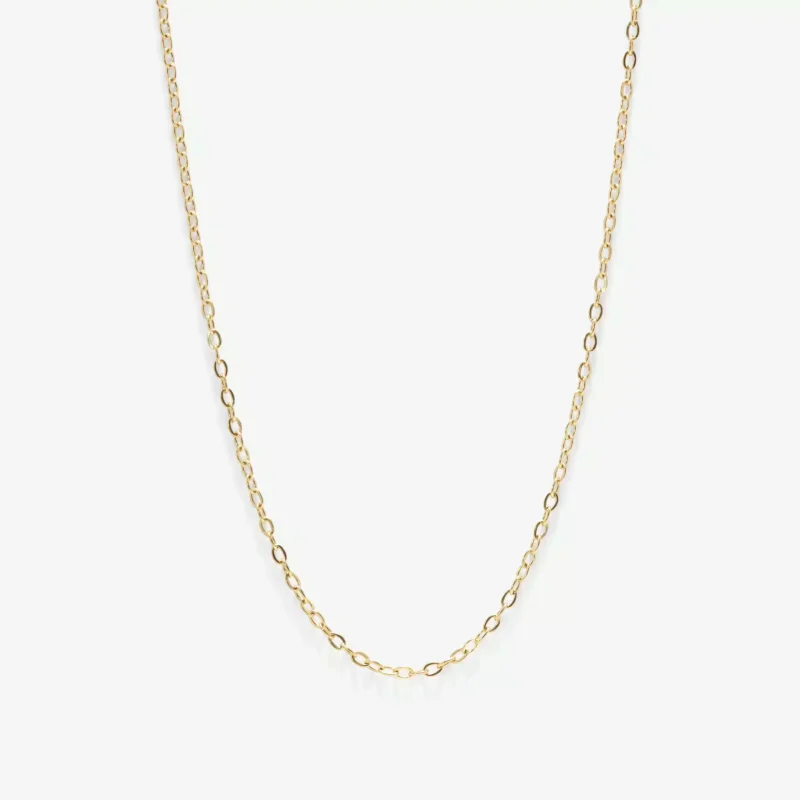
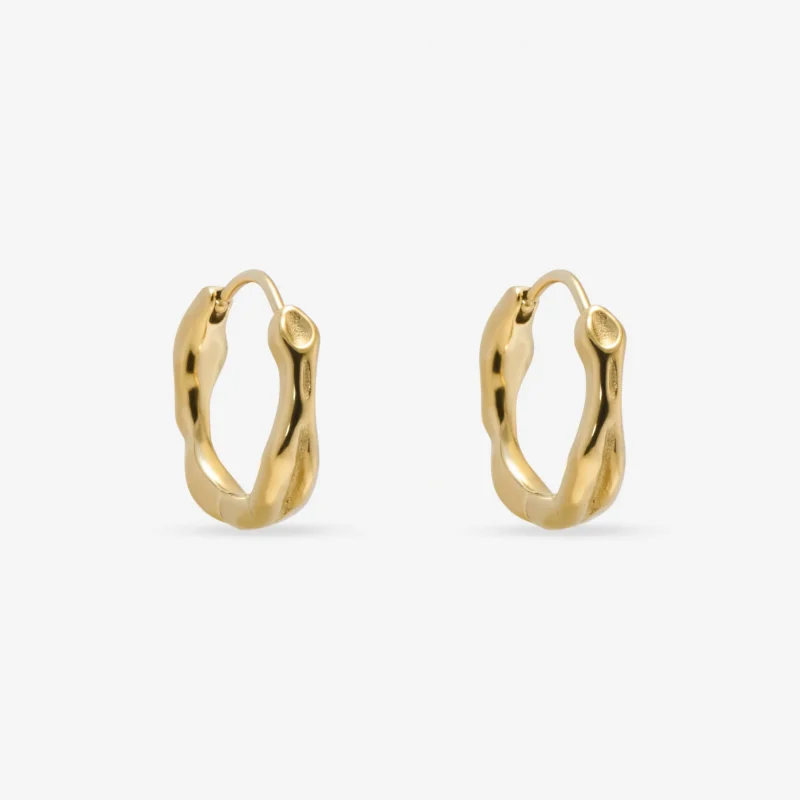
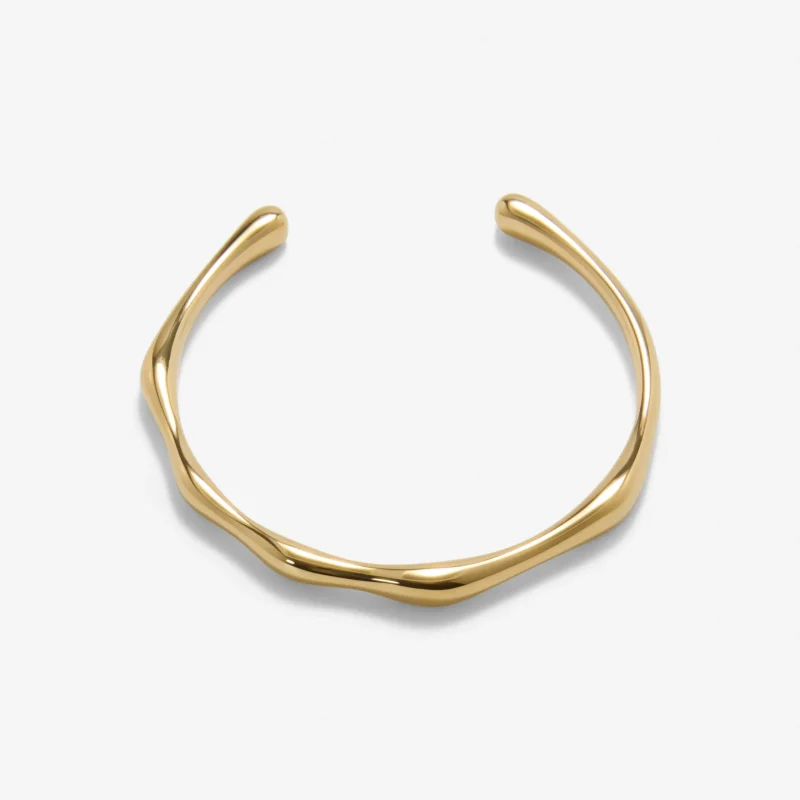
A Dainty Chain makes a natural supporting piece, quiet enough to sit under a lead piece without competing, or to stand alone as a single clean choice for a pared-back look. Molten Hoop Earrings can take the lead role at a moderate scale, anchoring a combination while the rest stays simple. Both are made in recycled stainless steel with a 14k gold PVD coating, so they are waterproof, tarnish-free and skin-friendly, which suits pieces worn daily as the steady base of a balanced, edited look.