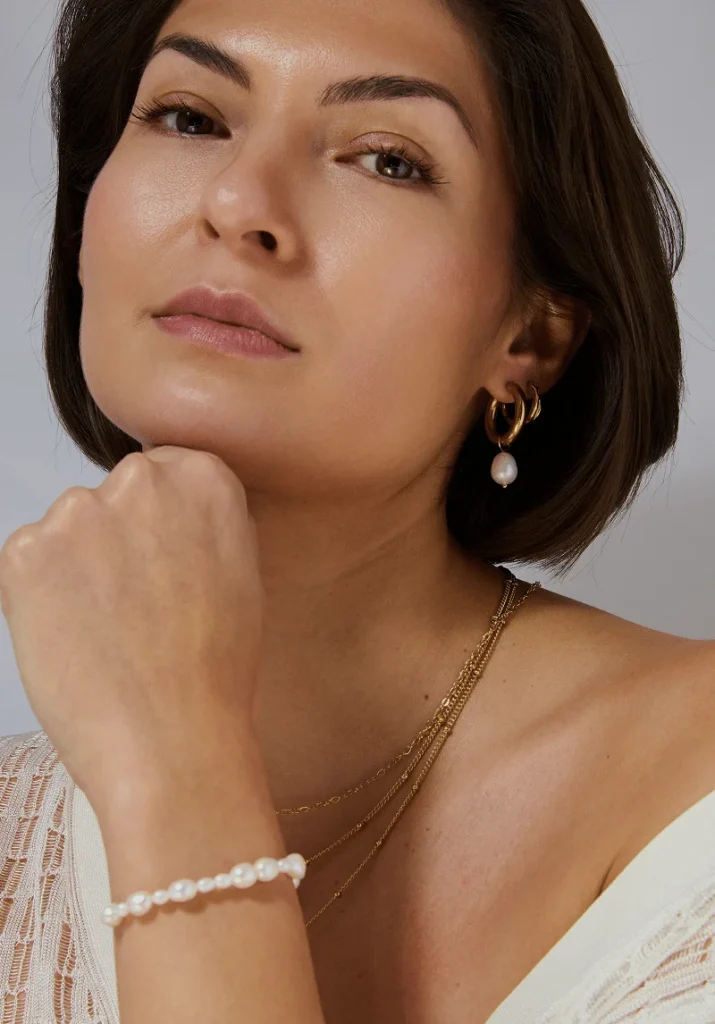


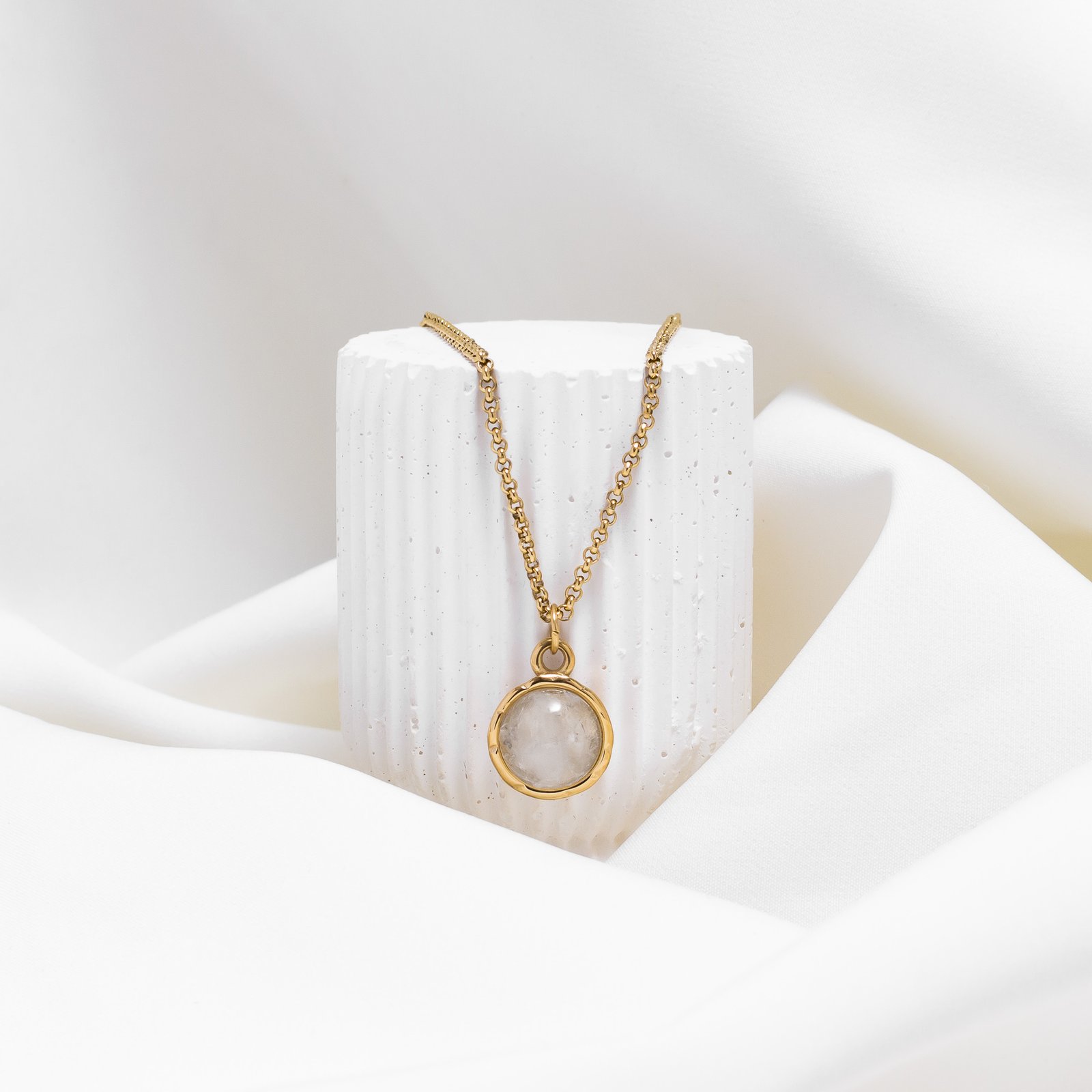
There is a moment, usually in front of the mirror on the way out, when you slide a second bracelet on next to the first and it either works or it does not. Learning how to layer bracelets is mostly about reading that moment and knowing what to reach for next. The short version is to mix a few different widths and textures, keep two or three pieces moving freely on the wrist, and let one stand out while the others support it. Once you have that pattern in your head, a wrist stack stops being a guessing game.
What does it mean to layer bracelets?
Layering bracelets means wearing two or more on the same wrist so they read as one considered look instead of a single piece on its own. A good stack usually combines different shapes: a solid bangle that holds its form, a fine chain that drapes, and a softer style such as a bolo that you can pull to fit. Each one does a slightly different job, and the contrast between them is what makes the group interesting to look at.
The pieces do not need to match. In fact a stack of three identical bangles tends to look like a set you bought together, while a mix of one bangle, one chain and one textured style looks like something you put together yourself. That difference in width and finish gives the eye separate lines to follow, which is the same principle behind a well-spaced necklace layer.
How many bracelets should you wear at once?
Two to four bracelets on one wrist is a comfortable range for most people, and odd numbers often sit more naturally than even ones. A single bracelet reads as a clean, deliberate choice. Three is the classic stack: enough to show variety without crowding the wrist. Beyond four, pieces start to compete for the same space and can feel heavy through the day.
If you are new to stacking, begin with two and add a third once you can see the gap they leave. A bangle plus a fine chain is an easy starting pair, since the firm shape of the bangle gives the soft chain something to sit against. When you want more, slot a bolo or a beaded style into the middle so there are three distinct textures, where two similar ones doubled up would blur together.
How do you mix widths and textures?
Width and texture are the two levers that keep a stack from blurring into a single band. Pair something wide with something fine: a flat bangle next to a delicate chain gives an obvious difference in scale, so each piece stays readable. Then vary the surface. A smooth, high-shine bangle alongside a beaded chain or a softly textured bolo adds contrast you can see up close as well as at a glance.
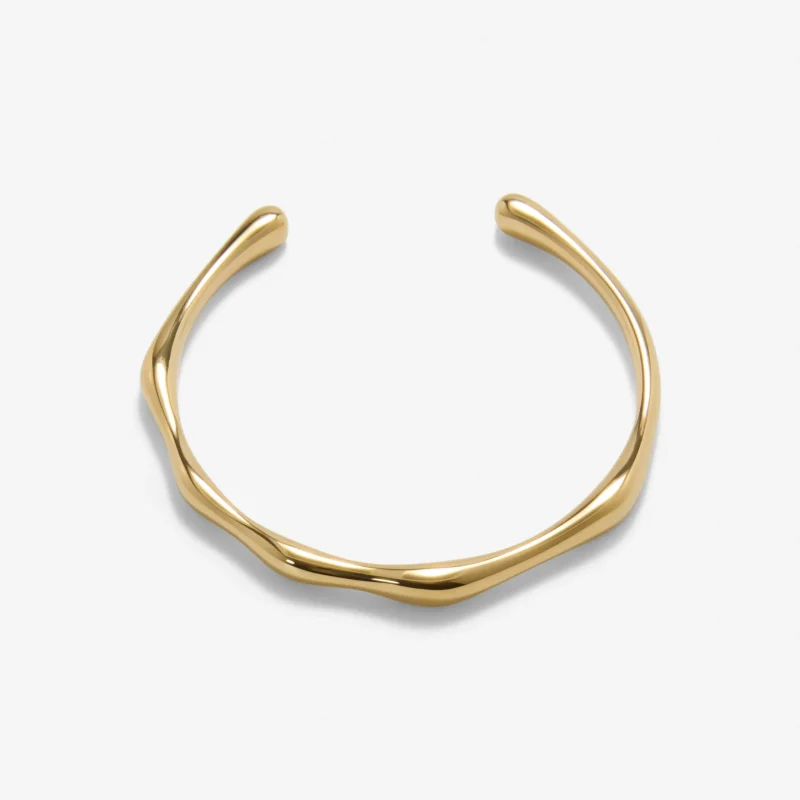
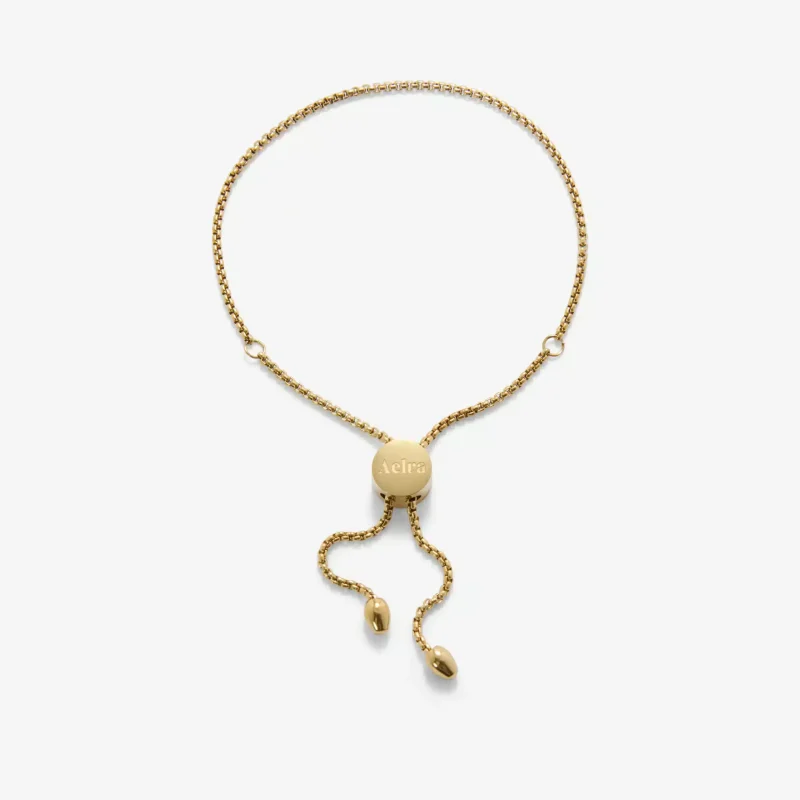
A practical starting set is a Molten Bangle as the firm anchor, a fine chain bracelet for movement, and a Dainty Bolo Bracelet that you can adjust to sit a little tighter or looser. The bangle holds its position near the wrist bone, the chain drapes below it, and the bolo fills the space between with a different texture again. Three widths, three finishes, one wrist.
Keep a little movement in the stack as well. Bracelets that can shift and settle as you move look more relaxed than a row clamped tightly in place. A bangle naturally allows some play, a chain sits loosely by design, and an adjustable bolo lets you set exactly how snug the group feels. That small amount of give is part of why a stack reads as effortless.
Should you mix metals or keep them tonal?
Both approaches work, and the choice comes down to the look you are after. Keeping a stack tonal, all warm gold tones for example, gives a calm, pulled-together result that suits everyday wear and pairs with most outfits. Mixing metals, such as a gold-tone bangle with a cooler silver-tone chain, gives a more collected, lived-in feel, as though the pieces arrived at different times.
If you want to mix metals without it looking accidental, repeat each tone at least once so the combination reads as a decision. Two gold-tone pieces and one silver-tone piece, or the reverse, tends to balance better than a single odd metal sitting alone. For pieces you plan to wear daily through water and sweat, a gold PVD coating over recycled stainless steel holds its colour, so a tonal gold stack stays consistent over time, where mixed finishes can fade at different rates.
How do you balance a stack against a watch?
A watch counts as part of the stack, so plan around it from the start. The simplest method is to wear the watch on one wrist and build the bracelet stack on the other, which gives each its own clear space. If you prefer everything on one wrist, treat the watch as the focal piece and keep the bracelets beside it fine and few, usually one or two, so they frame the watch instead of crowding it.
Leave a small gap between the watch and the nearest bracelet so they are not knocking against each other all day, which is kinder to both. Matching the bracelet tone to the watch case, gold with gold for instance, ties the two together; a deliberate contrast can also look smart if the rest of the stack picks up that second tone somewhere. Either way, the watch sets the scale, and the bracelets follow it.
A worked example: a three-piece everyday stack
Say you want one reliable stack for daily wear that copes with washing your hands, the gym and the occasional swim. Start with a Molten Bangle as the anchor: it holds its shape and sits near the wrist bone. Add a fine chain bracelet below it for movement and a softer line. Then bring in a Dainty Bolo Bracelet, adjusted so it sits just below the bangle, giving a third texture and a tail you can tighten on warmer days when your wrist swells slightly. Three pieces, odd number, three widths, all warm gold tones so the group stays tonal. Because each is made from recycled stainless steel with a 14k gold PVD coating, the whole stack is waterproof and keeps its colour, so you can leave it on through everyday water, including at the sink.
FAQ
How many bracelets should you wear on one wrist?
Two to four works for most wrists, and odd numbers often sit best. Three is the classic stack: a firm bangle, a fine chain and a softer style such as a bolo give variety without crowding.
Can you mix gold and silver bracelets?
Yes. Mixing metals gives a collected, lived-in look. To keep it deliberate, repeat each tone at least once, so two gold-tone pieces with one silver-tone piece reads as a deliberate choice.
How do you stop layered bracelets tangling?
Mix widths and textures so the pieces sit as separate lines, and keep a firm bangle in the group to hold space. A little movement between pieces lets them settle apart instead of bunching together.
Should bracelets be tight or loose when stacking?
Leave a little movement. Bracelets that shift and settle as you move look more relaxed than a row clamped tight. An adjustable bolo lets you set how snug the whole stack feels.
Related pieces
Once you know the shape of the stack you want, the individual pieces decide the look. The Molten Bangle is the firm anchor that holds its position on the wrist and gives softer pieces something to sit against. The Dainty Bolo Bracelet brings an adjustable, textured line that slots neatly into the middle of a stack and lets you set how snug it feels. Both are made from recycled stainless steel with a 14k gold PVD coating, so they are waterproof and hold their colour through daily wear, water and sweat. For the same approach applied higher up, read how to layer necklaces, and for more on the adjustable style itself, see how to wear a bolo bracelet.