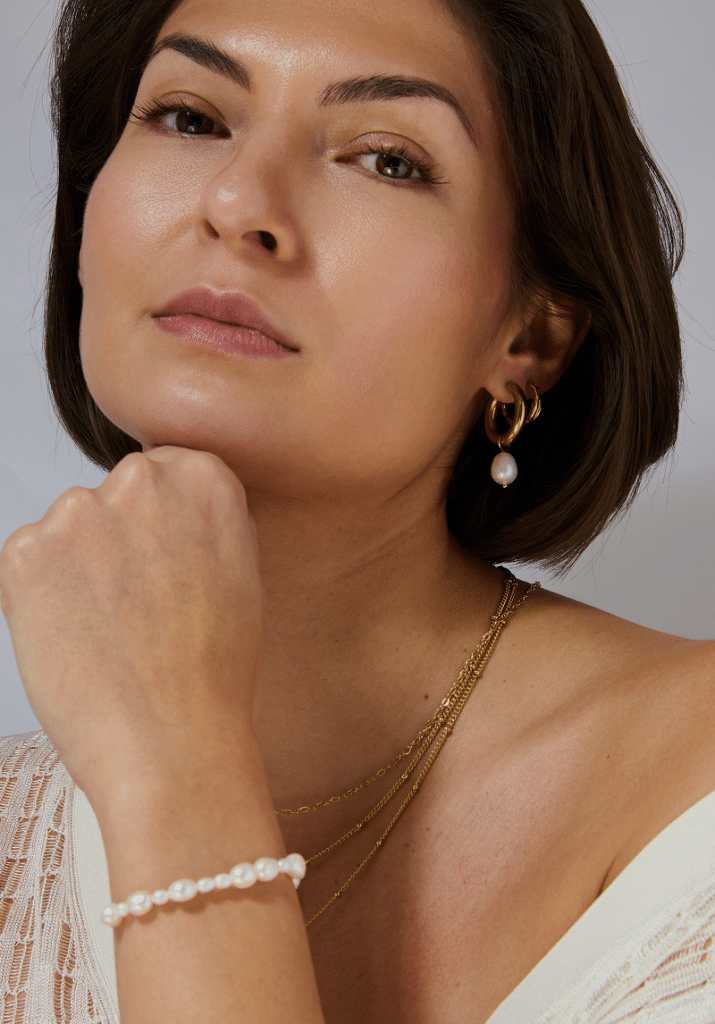


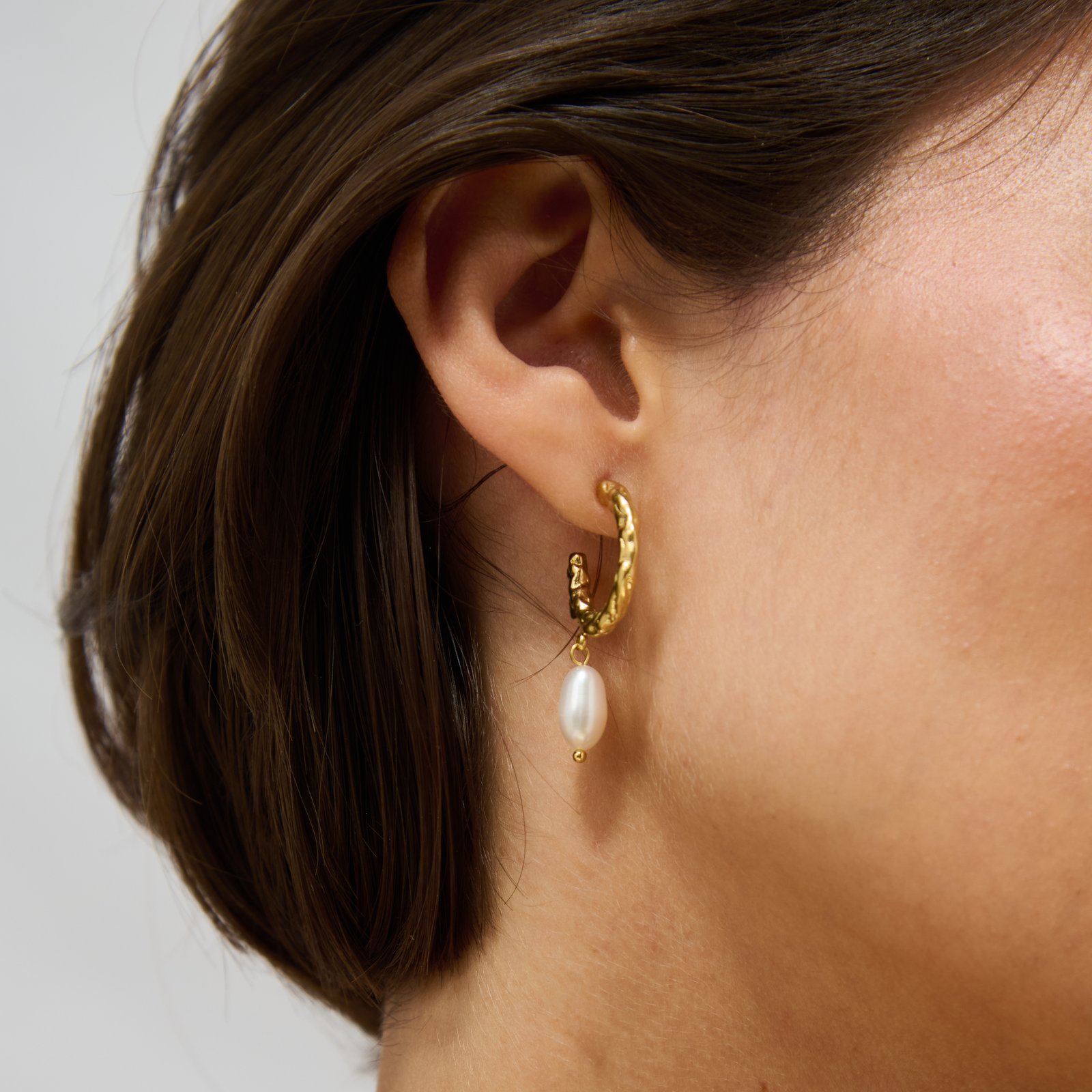
There is something about a pearl that makes people slow down. It has a softness no cut stone quite matches, a quiet glow that feels gentle, and a weight of association that arrives the moment you fasten one at your throat. People have been reaching for that feeling for thousands of years.
A pearl is most often said to symbolise purity, wisdom, calm and timelessness, qualities that have been attached to it across many cultures and centuries. Those meanings are cultural and personal, shifting with the wearer, which is part of why the pearl has stayed so loved, and why an irregular baroque pearl carries its own story of individuality and natural beauty.
What does a pearl symbolise across cultures?
A pearl is popularly associated with purity, wisdom, calm and timelessness. Because it forms naturally inside a living shell instead of being mined and cut, it has long been linked in popular tradition with something pure and complete in itself, which is part of why pearls became associated with weddings and new beginnings.
The associations run deep across history. In several cultures pearls have been tied to wisdom thought to be gathered slowly over time, much as the pearl itself forms layer by layer. Elsewhere they have stood for calm, clarity and a kind of inner steadiness. These meanings vary from one tradition to another and shift with the wearer, so they are best read as a layer of intention you can choose to carry. What stays constant is the sense of quiet value the pearl seems to hold.
Pearls appear in the lore of many parts of the world. In some traditions they have been linked with the moon and with water, and so with gentleness and the tides of feeling. In others they were treasured as among the most precious things a person could own, long before faceted gemstones became fashionable, which is partly how they gathered their air of timeless value. Across these different stories the thread that holds is softness: the pearl is rarely a symbol of drama or display, and more often one of composure and grace.
What do pearls represent emotionally?
For many wearers a pearl carries a feeling more than a fixed idea. It is often described as a calming, grounding piece, the sort of thing you put on when you want to feel composed and like yourself. That gentle, steadying quality is a large part of why people reach for pearls before an event or a day that matters.
Pearls also hold memory well. Because they have so often been given to mark milestones, a graduation, a wedding, a significant birthday, a pearl tends to absorb the moment it was given and the person who gave it. Years later it can carry that meaning every time it is worn, which is why pearls so often become the pieces people keep and pass on.
That sense of carrying memory is one reason pearls move so easily between generations. A pearl necklace handed down from a grandmother arrives already full of meaning, and adding your own moments to it only deepens the story. Worn this way, a pearl becomes less an ornament and more a small record of a life, which is a large part of why people describe their pearls with real affection.
Why are pearls linked with purity and wisdom?
The link with purity comes largely from how a pearl looks and forms. Its soft, even glow and its natural, untouched surface have long been read as a symbol of something clean and whole, which is why pearls have featured in bridal jewellery for generations. The association is cultural and traditional, more poetic than literal, but it has held for a very long time.
Wisdom enters the picture through the way a pearl is made. A pearl builds up slowly, one thin layer at a time, around a small irritation inside the shell. That slow transformation of something small and imperfect into something lovely has often been read, across cultures, as a quiet emblem of patience, experience and wisdom gained over time. It is a gentle idea, and it suits the pearl well.
What does a baroque pearl symbolise?
A baroque pearl is simply a pearl with an irregular, organic shape instead of a perfect round. Where round pearls carry the classic associations of purity and calm, baroque pearls are popularly tied to individuality and natural beauty, prized for the fact that no two are ever quite alike.
That difference is the appeal. A baroque pearl wears its character openly, with curves and ripples and a glow that shifts across its uneven surface. For many people it stands for being a little unconventional, for valuing what is real and one of a kind. If the idea draws you in, our piece on what baroque pearls symbolise goes further into the meaning and the lore behind them.
How do you wear pearls and what they mean today?
Pearls have shed their formal, old-fashioned reputation and now sit easily in everyday wardrobes. A pearl necklace worn with a jumper and jeans reads as modern and relaxed, while pearl hoops or studs add a soft glow to an ordinary day. If you are wondering whether they still feel current, our look at whether pearls are still in style covers exactly that. The short answer is that they have come back firmly into fashion, especially in looser, more irregular forms.
Baroque pearls in particular suit a modern, individual way of dressing, because their organic shapes feel less buttoned-up than a strand of matched rounds. When you are choosing, think about what you want the pearl to carry: a smooth round for classic calm and timelessness, or a baroque shape for character and individuality. Either way, a piece built on recycled stainless steel with a hypoallergenic, tarnish-free finish lets you wear that meaning every day, including through water and workouts, with no fuss.
If you are giving pearls, the meaning makes them an easy choice to get right. For a new beginning, a milestone or a moment that calls for something calm and lasting, a pearl carries a quiet message of good wishes that few other stones match. A baroque shape adds a note of individuality that says the piece, like the person, is one of a kind. Set on a base that holds up to everyday wear, it becomes the sort of gift that gets worn and loved every day, not saved for best and forgotten.
Frequently asked questions
What does a pearl symbolise?
A pearl is popularly associated with purity, wisdom, calm and timelessness. These meanings are cultural and personal, and they have been attached to pearls across many traditions for thousands of years.
What do pearls represent in jewellery?
In jewellery, pearls are often worn to represent quiet elegance, composure and lasting value. They are a traditional choice for weddings and milestones because of their links with purity and new beginnings.
What does a baroque pearl symbolise?
A baroque pearl, with its irregular shape, is popularly tied to individuality and natural beauty. Because no two are alike, it is often worn to celebrate character and being one of a kind.
Are pearls a good gift?
Pearls make a thoughtful gift because of their gentle meaning and their long history of marking milestones. A pearl tends to absorb the moment it was given, so it carries memory well over the years.
Do pearls suit everyday wear?
Yes. Worn with casual clothes, pearls read as modern and relaxed. A piece set on a tarnish-free, hypoallergenic base is easy to wear day to day, including around water.
Related pieces
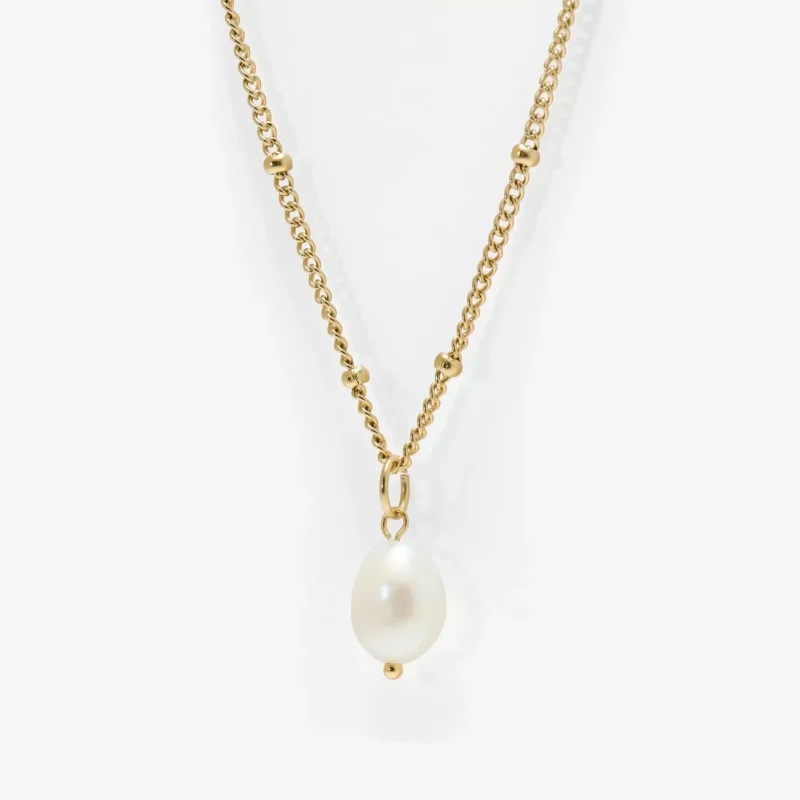
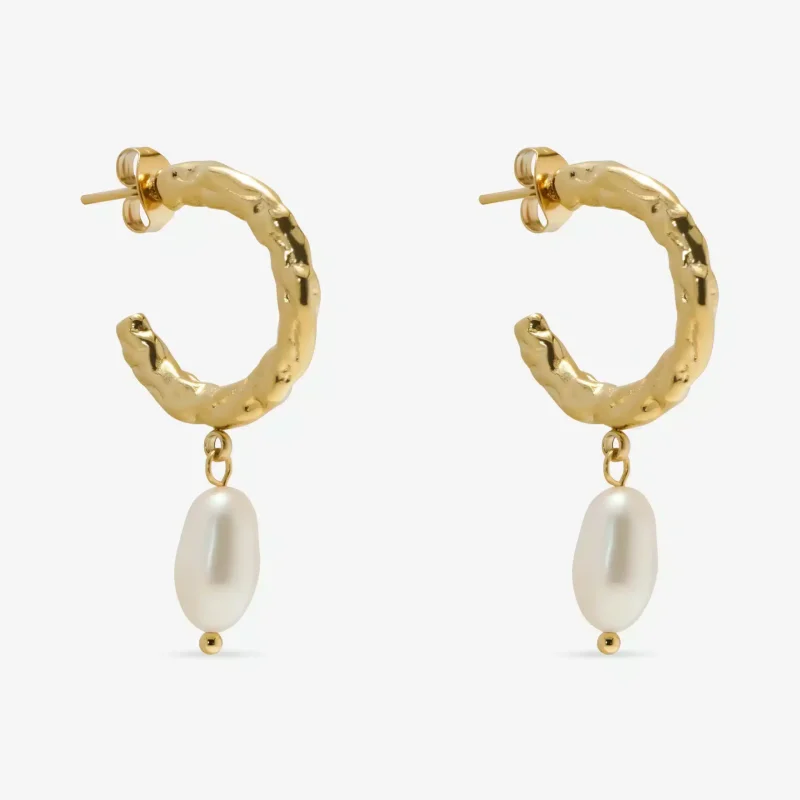
If the meaning of pearls appeals to you, the Baroque Pearl Necklace carries that sense of individuality and natural beauty in a shape that is yours alone, soft enough for everyday and special enough for an occasion. The Molten Baroque Pearl Hoops bring the same organic glow to your ears in an easy, modern form. Both pair the pearls with recycled stainless steel and a 14k gold PVD finish, so the metalwork stays waterproof, tarnish-free and gentle on sensitive skin through daily wear.