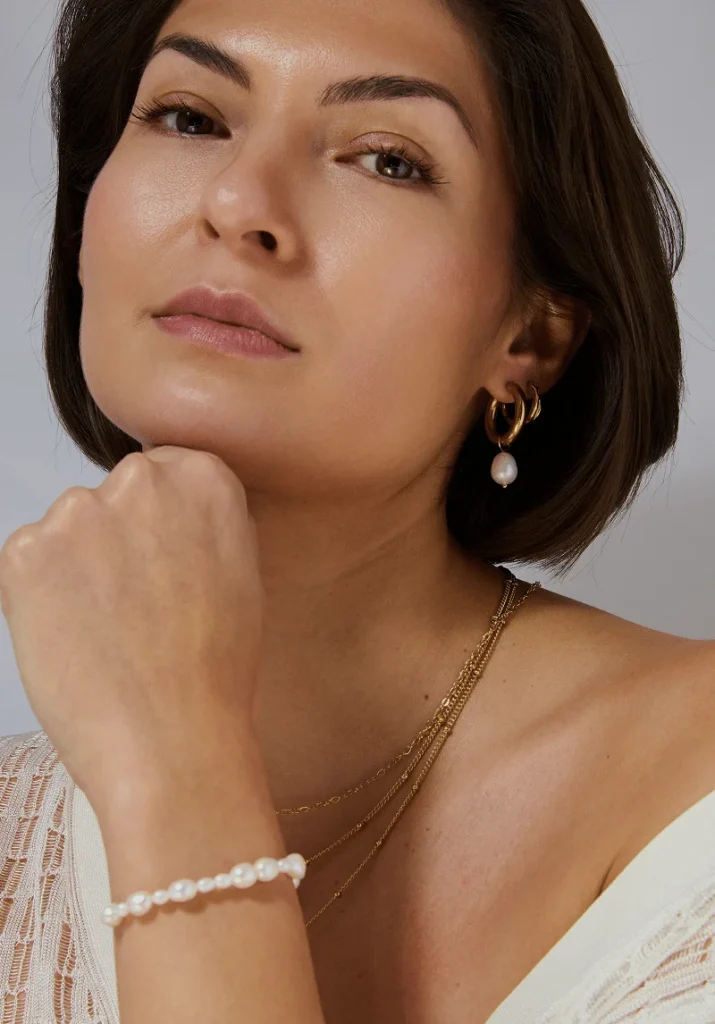


There is a moment, somewhere between adding a piece to your basket and pressing buy, when you wonder whether it will still look good in a year. For anyone who has watched a favourite chain dull or a plated finish flake, the question is a fair one, and it lands hardest on materials people are less familiar with.
So, is stainless steel jewellery good quality? For everyday wear, yes, it is one of the better choices going. The grade used in jewellery is hard, corrosion-resistant and tarnish-resistant, it is gentle on sensitive skin, and with a 14k gold PVD finish it keeps its colour through showers, workouts and ordinary daily life. Here is what that means in practice.
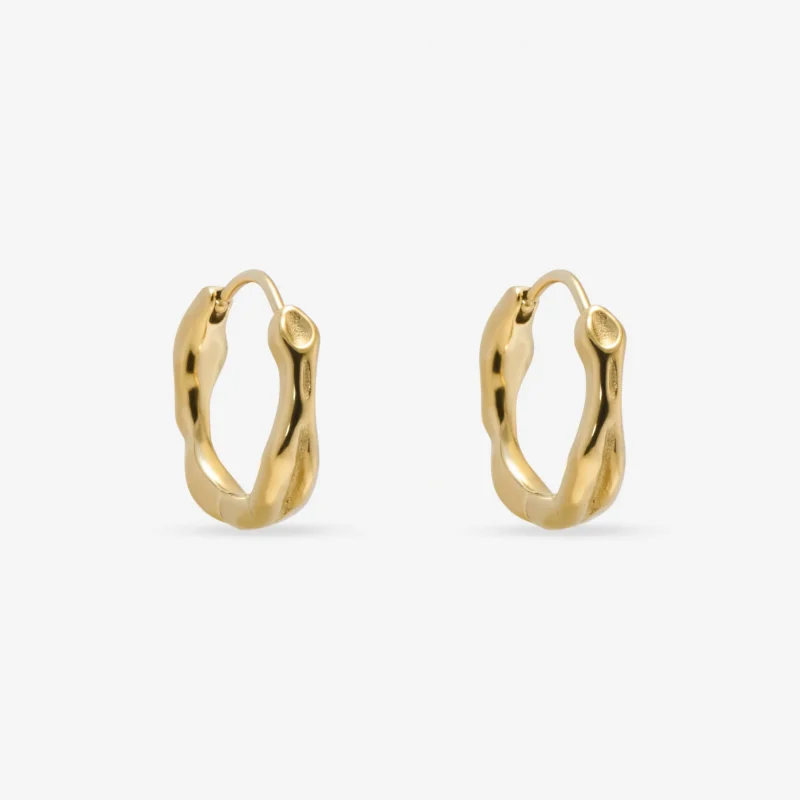
What is stainless steel jewellery made of?
Most quality stainless steel jewellery uses 316L stainless steel, often called surgical-grade steel. It is an alloy built mainly from iron, chromium and nickel, with the chromium forming a thin protective layer on the surface that resists rust and corrosion. The L in 316L marks a low-carbon version, which makes the alloy even more stable and harder for everyday corrosion to take hold. The same grade is widely used in watches and in medical implants, which gives a sense of how durable and skin-friendly it is.
That medical and watchmaking heritage is the short answer to the quality question. A metal trusted inside the body and on a wrist all day, every day, has to be hard-wearing, stable and kind to skin. Those qualities carry straight over to jewellery you intend to actually live in.
Does stainless steel jewellery tarnish or rust?
Stainless steel is tarnish-resistant and corrosion-resistant, which is the main reason it suits everyday wear so well. Tarnish is the dullness or discolouration that happens when a metal reacts with air, moisture and the things on your skin. The protective chromium layer on stainless steel slows that reaction right down, so the metal holds its look far longer than softer options.
It also resists rust under normal wear, including contact with water, sweat and humidity. This is why stainless steel pieces handle showers, the gym and rainy commutes without fuss. Picture a chain you put on for a morning swim, keep on through the gym, and rinse off in the shower afterwards: a softer plated piece might show wear within weeks of that routine, while quality stainless steel comes through it unchanged. As with any jewellery, a gentle clean now and then keeps it at its best, though you are unlikely to find it turning dull on you in the way some metals do.
What does the 14k gold PVD coating add?
PVD stands for physical vapour deposition. It is a process that bonds a fine layer of gold colour into the surface of the steel at a molecular level, in a vacuum chamber, which gives a hard and even finish. A 14k gold PVD coating brings the warm gold tone people want, on top of the strength of the steel underneath.
Because the colour bonds into the surface, a quality PVD finish holds up well to daily wear and keeps its even tone where thinner, cheaper platings can wear thin or flake. PVD finishes are measured in microns, and a deposited layer of this kind sits far more securely than the wash of colour on budget plated pieces. The result is a piece that looks like gold, wears like steel and stays waterproof and tarnish-free through normal life. To protect that finish, it is best to avoid abrasives, harsh chemicals and ultrasonic cleaners, and to clean with a soft cloth instead.
Is stainless steel jewellery good for sensitive skin?
The grade used in good stainless steel jewellery is hypoallergenic, which makes it a sensible choice for sensitive skin and ears. Many skin reactions to jewellery come from nickel leaching out of low-quality metal, and surgical-grade stainless steel is stable enough that this is far less likely under normal wear.
If your skin has reacted to earrings or chains before, a piece in 316L stainless steel with a PVD finish is worth trying for that reason. It is the same logic that makes the material common in body-safe and medical settings. People with reactive skin often find they can wear it comfortably all day.
How does stainless steel compare with gold-plated jewellery?
A common comparison is with traditional gold-plated jewellery, where a thin layer of gold sits on top of a base metal. That thin layer can rub away at the points a piece is handled most, such as a clasp or the back of a chain, and once it wears through the base metal shows. Stainless steel with a 14k gold PVD finish works differently: the colour is bonded into a hard surface, so it keeps its even tone for far longer and the steel beneath stays stable and skin-friendly. For a piece you wear most days, that difference in how the finish is built is what shows up after a year of real use.
How do you care for stainless steel jewellery?
Care is refreshingly light. For everyday upkeep, a wipe with a soft microfibre cloth lifts away the oils and traces of skincare that gather through the day. When a piece needs more, a quick wash in mild soapy water with a soft brush, followed by a thorough dry, brings it back to a shine. That gentle routine suits the PVD finish and keeps the gold tone even.
The things to keep away are the same ones that harm any plated piece: abrasives such as scouring pads and toothpaste, harsh chemicals like bleach, and ultrasonic cleaners, all of which can wear or affect the coating. Storing pieces dry and separated, so they do not knock together, rounds off a routine that asks very little for how long it keeps a piece looking new.
Is stainless steel jewellery worth buying for everyday wear?
For pieces you want to put on and forget about, stainless steel is hard to beat on value. It is harder than precious metals like silver, so it keeps its shape and shine, it resists tarnish and corrosion, it is hypoallergenic, and it usually costs less than a precious-metal equivalent. With a gold PVD finish it looks the part too.
The value shows up over time. A durable everyday staple you wear most days for years gives you a tiny cost per wear, and a finish that survives real life means you reach for it again and again. For necklaces, earrings and bracelets meant to be lived in, that combination of durability, comfort and price is what makes the quality question an easy yes.
It is also worth saying what stainless steel does well that catches people out. It keeps a crisp, polished look without the regular upkeep softer metals ask for, it handles the gym, the pool and the shower without a second thought, and it stays comfortable against the skin through long days. For anyone who has been let down by jewellery that dulled, bent or irritated their skin, those everyday qualities are exactly what turn a cautious first purchase into a material they keep coming back to.
Frequently asked questions
Is stainless steel jewellery good quality?
Yes, for everyday wear it is a strong choice. Surgical-grade 316L stainless steel is hard, corrosion-resistant, tarnish-resistant and hypoallergenic, and with a 14k gold PVD finish it keeps its colour through daily life.
Does stainless steel jewellery tarnish?
Stainless steel is tarnish-resistant and corrosion-resistant thanks to a protective chromium layer on its surface. Under normal wear, including contact with water and sweat, it holds its look far longer than softer metals.
Is stainless steel jewellery good for sensitive skin?
Yes. The 316L grade used in quality pieces is hypoallergenic and stable, so it is far less likely to cause the nickel-related reactions some people get from cheaper metals. It is the same family of steel used in medical implants.
Does the gold on stainless steel jewellery wear off?
A quality 14k gold PVD finish bonds the colour into the surface of the steel, so it holds up well to daily wear and keeps its even tone. Avoid abrasives, harsh chemicals and ultrasonic cleaners to protect it.
Is stainless steel better than gold-plated jewellery?
Stainless steel with a PVD finish tends to outlast traditional thin gold plating, because the colour bonds into a hard surface and stays even, while resisting tarnish and staying kind to skin.
Related pieces
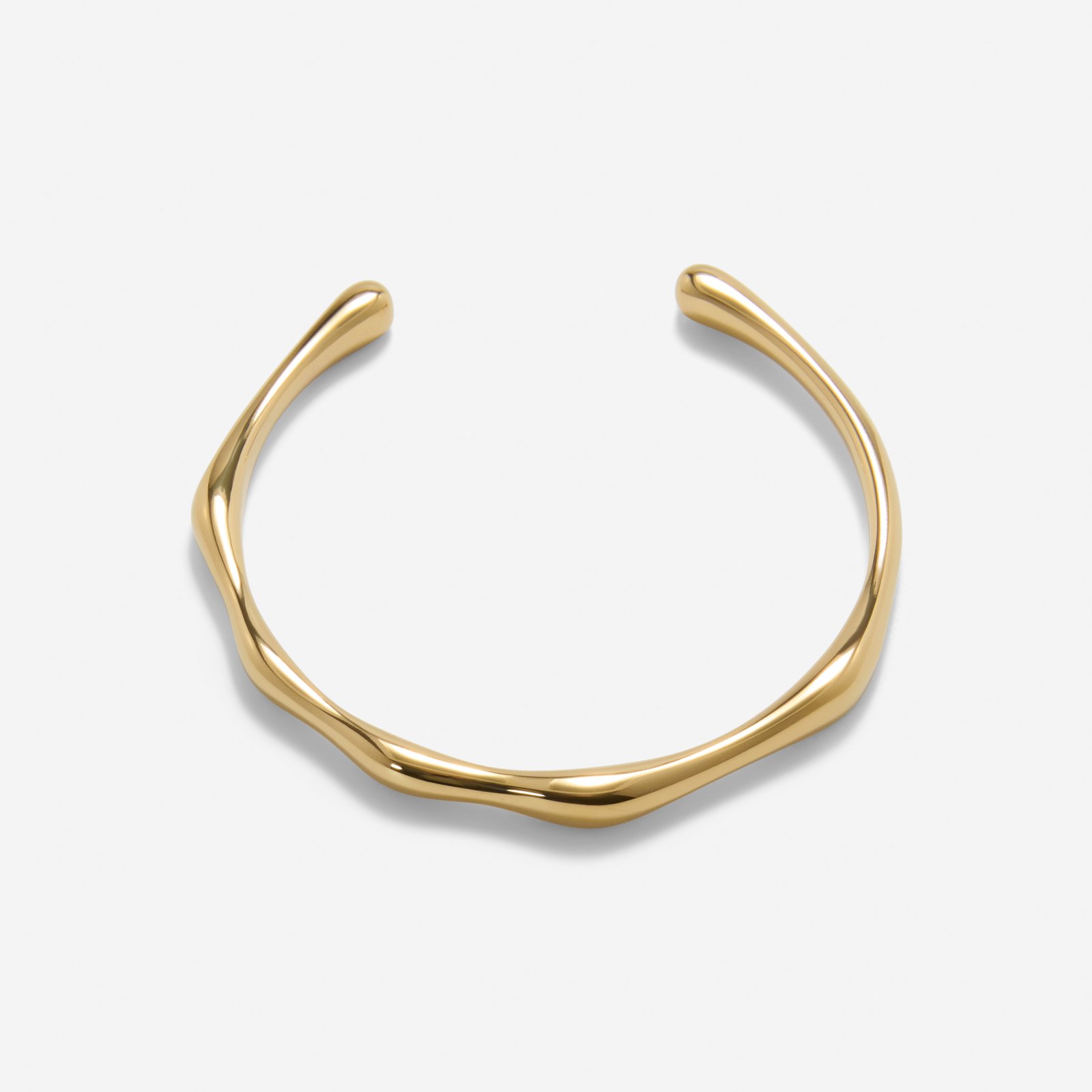
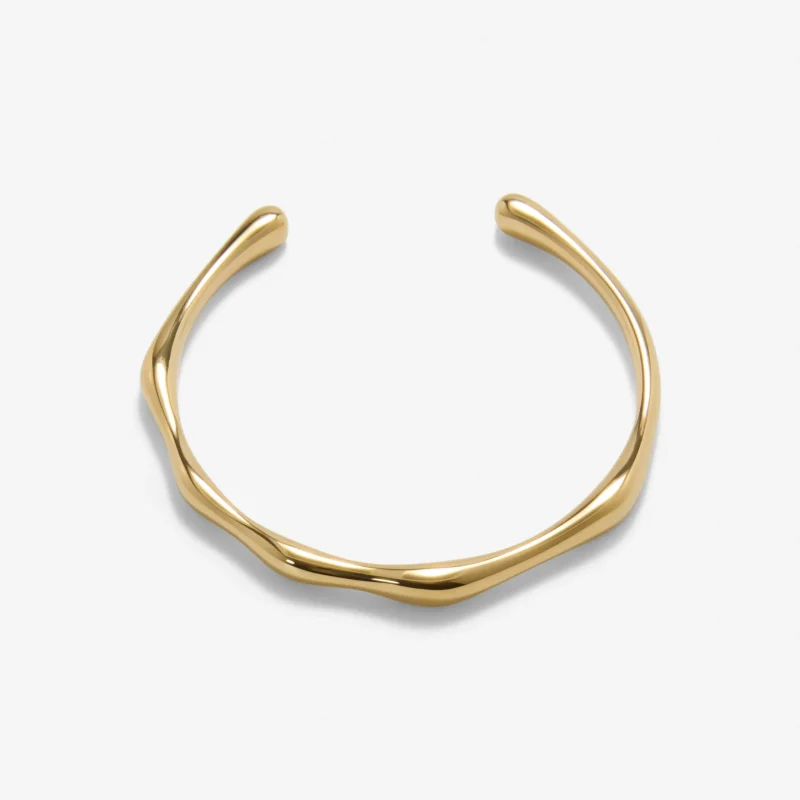
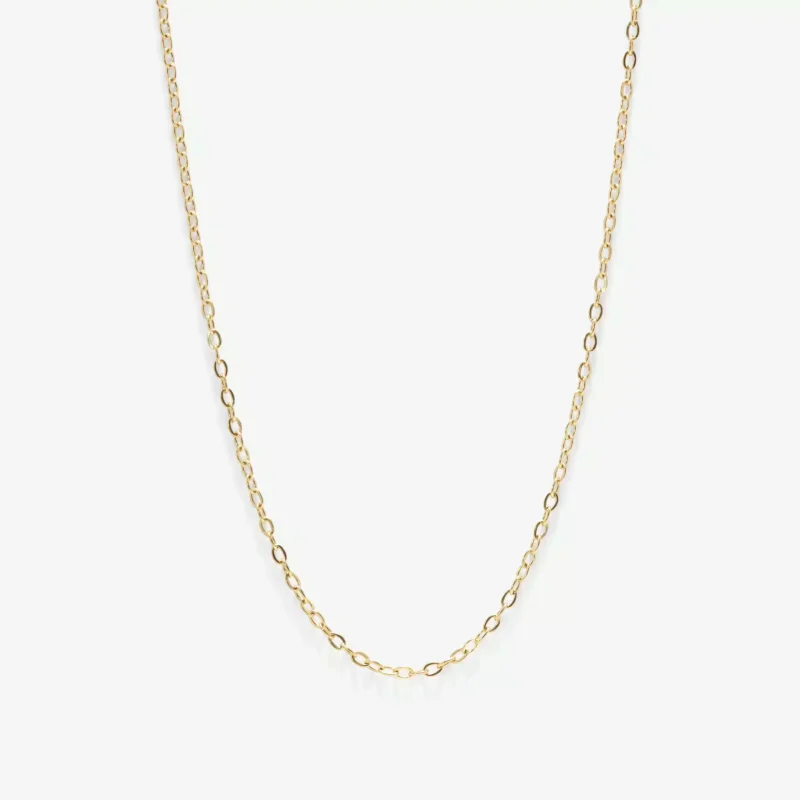
If you want to try the material for yourself, a Molten Bangle shows off the smooth, weighty feel of stainless steel at the wrist, while a Dainty Chain is an easy everyday piece that layers neatly under a collar.
Both are made from recycled stainless steel with a 14k gold PVD finish, so they are waterproof, tarnish-free and gentle on sensitive skin, ready to wear through showers, workouts and long days.