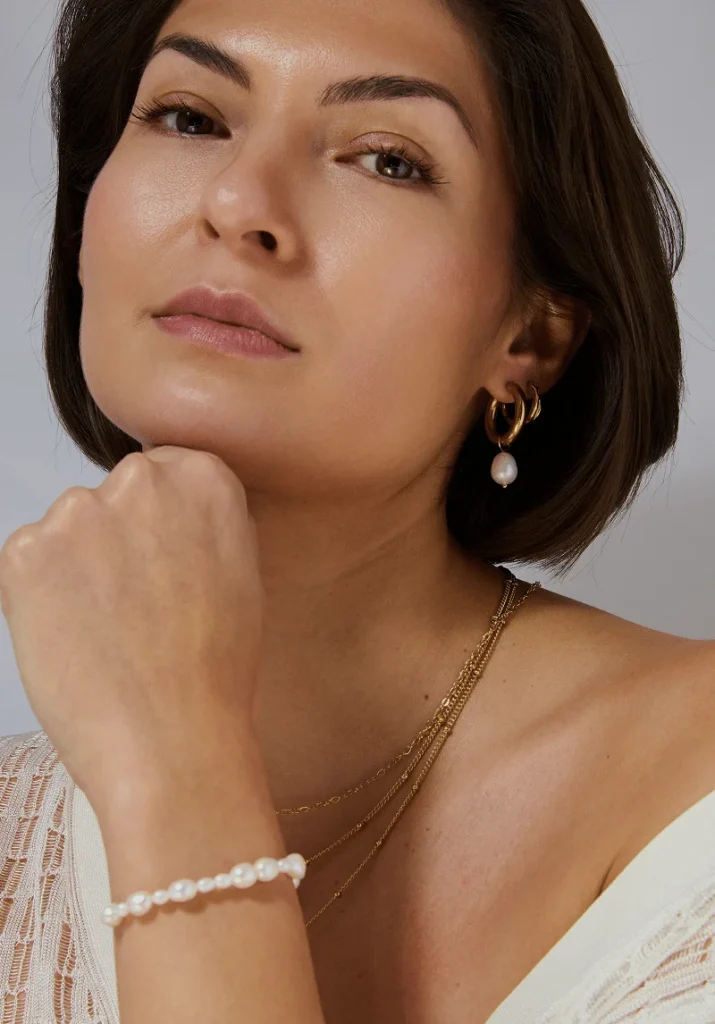


The morning of an interview, the outfit is usually sorted long before the jewellery is. Then you stand at the mirror wondering whether the earrings are too much, or whether bare looks underdone, and the small choice suddenly feels like it matters.
The rule for interview jewellery is simple: keep it minimal and polished, with nothing that jingles or distracts. A pair of neat earrings and one fine chain read as considered and let the conversation stay on you, which is exactly what you want in the room.
What jewellery should you wear to an interview?
Aim for a couple of clean, simple pieces. A pair of studs or small hoops and a single delicate chain is the dependable combination, because it looks put-together without pulling focus. The goal is for your jewellery to round off the outfit while the interviewer is paying attention to what you say.
Polished matters more than plentiful. One well-chosen piece in good condition reads as professional, whereas several competing pieces can feel busy. If you are unsure, fewer pieces in a single metal tone is the safer call, and it suits almost any interview setting.
Matching your metals is a small detail that reads as considered. If your earrings are gold-tone, a gold-tone chain ties the look together, while mixing several tones can feel slightly unplanned in a formal setting. Keeping to one tone is an easy way to look polished without any extra thought.
It is worth reading the sector a little, too. A creative studio may welcome a touch more personality than a law firm or a bank, but even then the safe move is restraint. You can always add more once you know the culture; you cannot easily undo a first impression that read as too much.
How much jewellery is too much for an interview?
If it moves, makes noise or catches the eye more than your face does, it is too much. Stacks of bangles that clink, long earrings that swing, and big statement pieces all pull attention away from the conversation. Anything you find yourself fidgeting with is worth taking off before you go in.
A good test is whether you would notice the jewellery if you were the one across the desk. Quiet pieces that sit still, like studs and a short chain, pass that test easily. The aim is for your appearance to support you and then get out of the way.
Watches sit in the same category. A plain, neat watch is fine and can even read as organised, while a large or noisy one becomes another thing competing for attention. Whatever you choose, the test is the same: would it distract the person sitting opposite you? If so, leave it off.
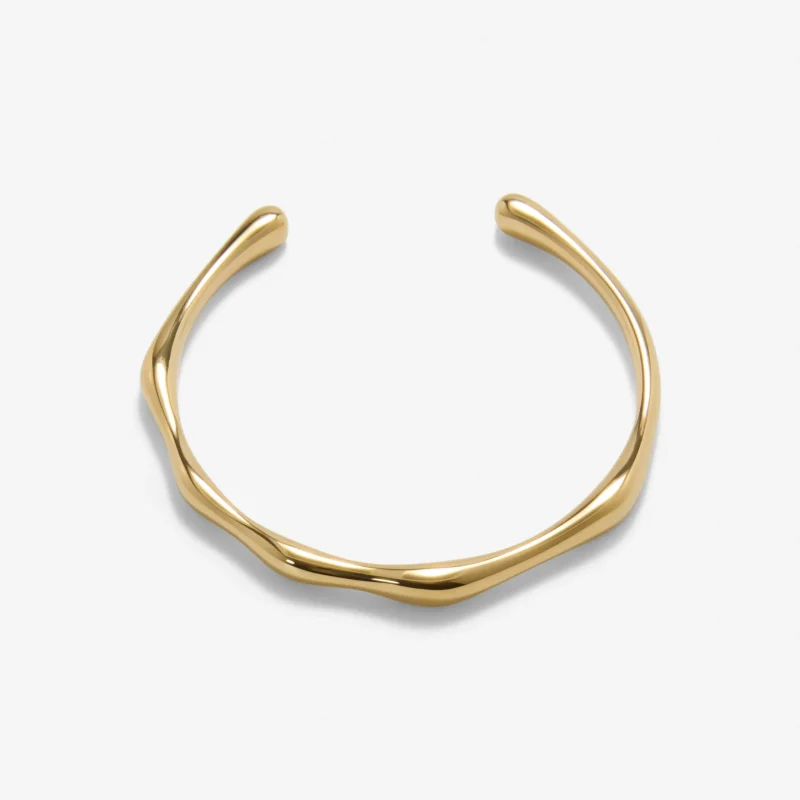
The same thinking applies to bracelets and bangles. One slim bracelet that sits quietly is fine; a stack that shifts and clinks every time you move your hands is the sort of thing that pulls focus during an answer. Keep the wrist as calm as the rest, and your gestures stay about what you are saying.
Which earrings work best for a professional setting?
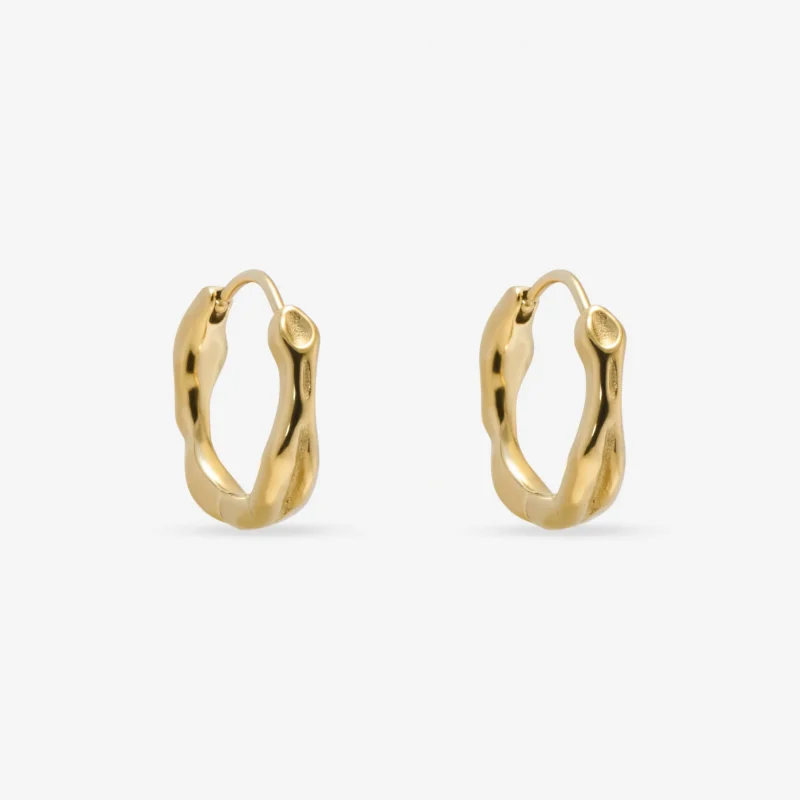
Studs and small hoops are the most reliable. They stay close to the ear, make no noise and read as neat in any sector. Molten hoop earrings are a good example: they give a little polish and shine while staying compact, so they look considered without swinging or distracting.
Skip long drops, big hoops and anything that dangles for an interview. Even if you love them day to day, they tend to move when you talk and draw the eye away. Save the statement earrings for once you have the job, and keep the interview pair simple.
Is a necklace a good idea for an interview?
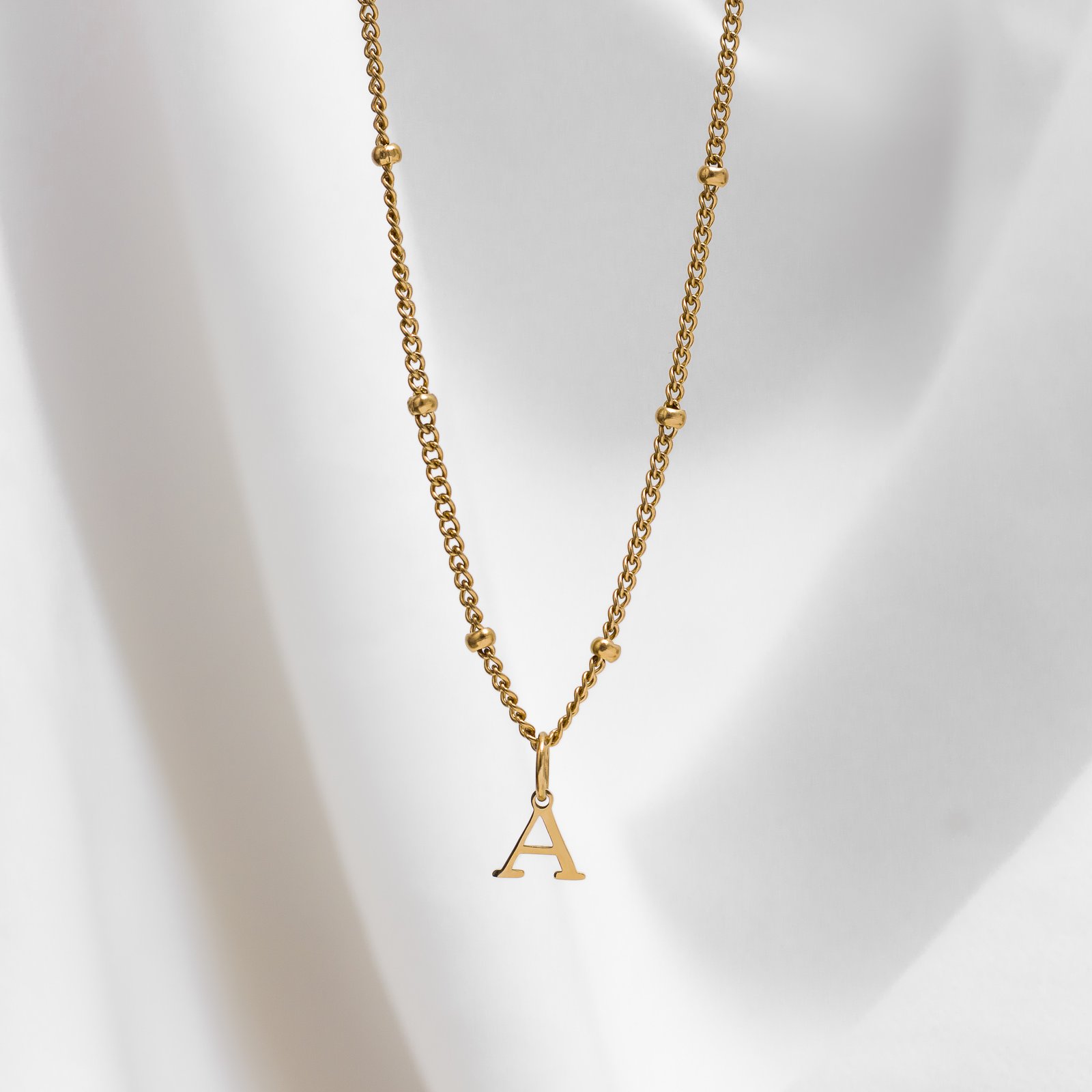
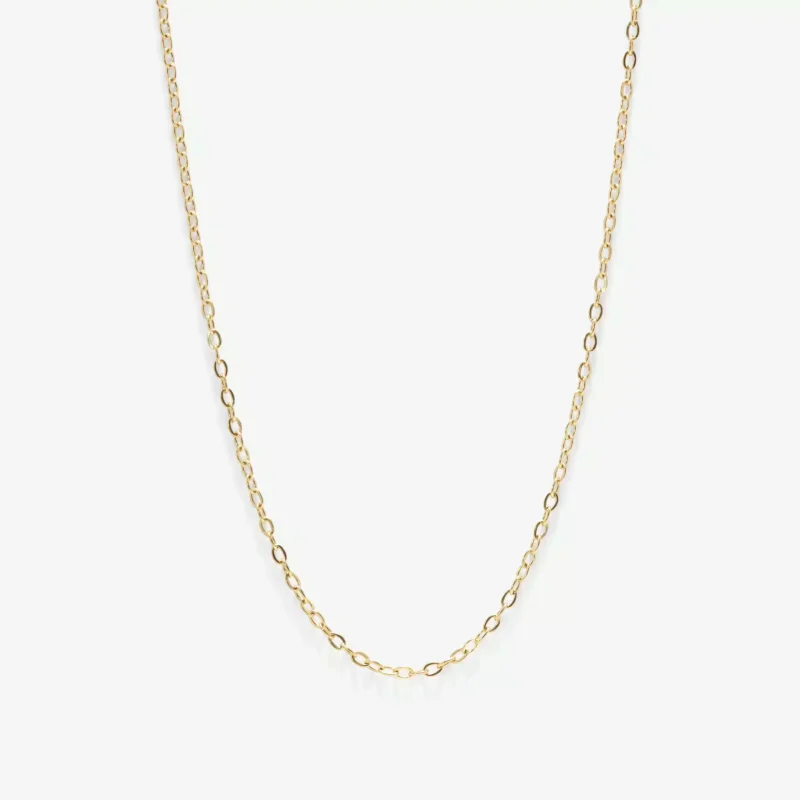
A fine chain is a quiet way to finish a look without adding noise. Worn short and simple, a dainty chain sits neatly at the collarbone and reads as polished, whether your top is open or buttoned. It gives a sense that you have thought about your appearance without overdoing it.
Keep any pendant small and avoid layering several chains for an interview. A single delicate necklace does the job; multiple chains can look busy and may catch on a collar. As with everything else on the day, one considered piece beats a stack.
Does the type of jewellery you wear send a message?
It does, in a subtle way. Clean, well-kept pieces suggest attention to detail, which is a quiet point in your favour before you have said a word. Tarnished or damaged jewellery can have the opposite effect, so it is worth checking your pieces are in good condition the night before.
Comfort plays into it too. Jewellery you keep adjusting or that bothers your skin will distract you when you need to be present. A hypoallergenic, waterproof piece you wear often is one you can forget about entirely, which leaves you free to focus on the interview itself.
How do you choose interview jewellery that also works at the job?
Pick pieces you can carry straight into the role. The same studs and fine chain that suit an interview tend to suit the working week, so you are investing in everyday professional jewellery you will keep using. Minimal, polished pieces are the ones that move easily from the interview to the desk.
Choosing pieces that are simple and hard-wearing means they keep looking right through long days, commutes and the occasional dash between meetings. A waterproof finish that holds its colour saves you swapping jewellery in and out, so the pieces that won you over in the interview stay in rotation afterwards.
There is a quiet confidence in walking in with pieces you wear all the time. They are familiar, they look right, and they need no thought on the morning itself. That ease is worth more on an interview day than any single eye-catching piece, because it leaves all your attention for the conversation ahead.
Once the interview is behind you, the same pieces carry on doing quiet work. Minimal, polished jewellery suits meetings, presentations and ordinary days at the desk equally, so the look you chose to make a good first impression keeps making a good impression long after. That is the mark of jewellery worth owning.
It is reassuring, too, that a hard-wearing finish keeps these pieces looking right with no real effort. A waterproof, tarnish-free piece does not dull between the interview and your first months in the role, so it carries on reading as polished through commutes, long days and the occasional rush. The pieces that win you the job quietly become the ones you wear to it.
Frequently asked questions
What jewellery should I wear to a job interview?
Keep it minimal and polished: a pair of studs or small hoops and one fine chain. The aim is to look considered without anything that distracts from the conversation.
Can I wear earrings to an interview?
Yes. Studs and small hoops are ideal because they stay close to the ear and make no noise. Avoid long drops or large hoops that swing when you talk.
Is it okay to wear a necklace to an interview?
A single fine chain worn short is a polished finish. Keep any pendant small and avoid layering several chains, which can look busy.
How much jewellery is too much for an interview?
If it jingles, swings or draws the eye more than your face, it is too much. Stick to a couple of quiet pieces in one metal tone.
Does jewellery affect the impression I make?
Subtly, yes. Clean, well-kept pieces suggest attention to detail, while tarnished or noisy ones can distract. Check your pieces are in good condition beforehand.
Related pieces
For an interview look that carries into the job, the Molten Hoop Earrings stay neat and polished without swinging, and a Dainty Chain worn short finishes the outfit quietly. Both are recycled stainless steel with a 14k gold PVD finish, so they hold their colour through long days and everyday wear.