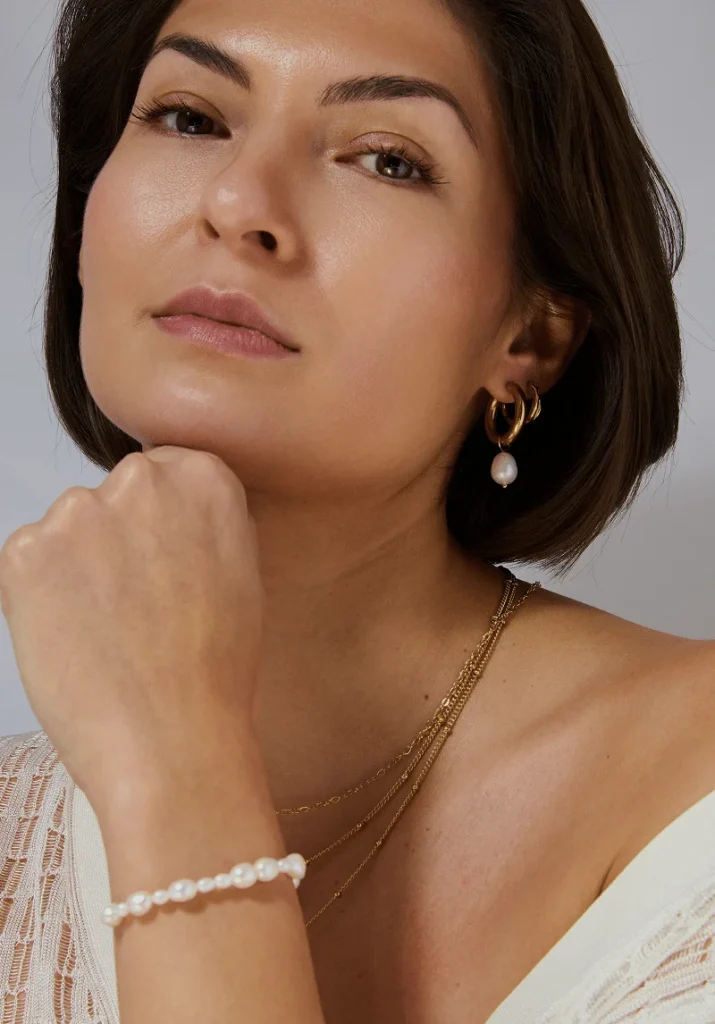


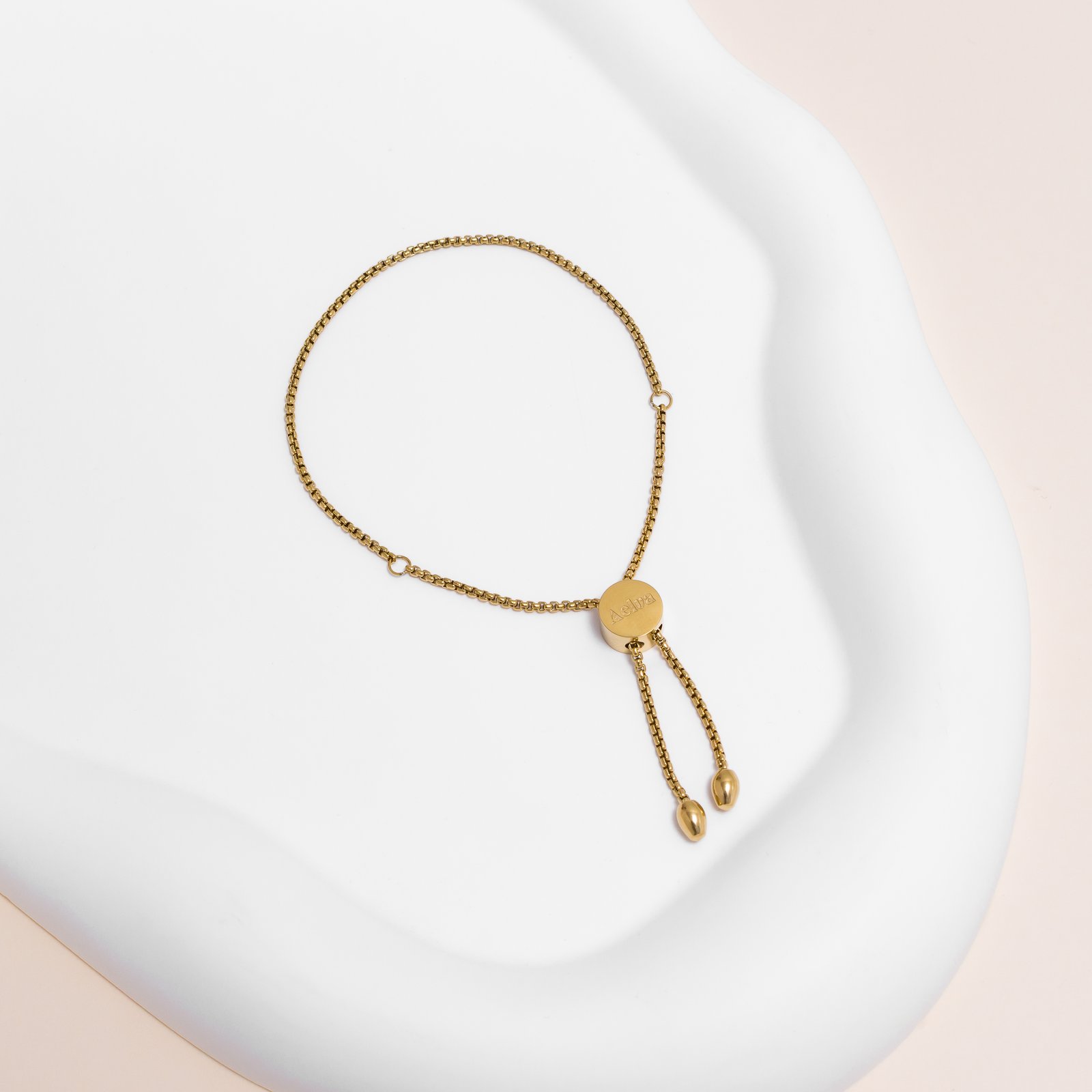
Think of the piece you would reach for if you had to leave the house in a hurry, the one you barely notice putting on yet would miss at once. For many people that piece came from someone else, and that is much of the point. Why jewellery makes a meaningful gift comes down to a few things working together: it stays with the person, it is worn close to the body, and it gathers significance through the ordinary life lived while wearing it. A necklace or bracelet given with care is met every day, carries the memory of who gave it, and often deepens over the years even as the moment that prompted it fades. That mix of permanence, presence and personal association is what sets it apart from most other gifts.
Why some gifts carry more emotional weight than others
Gifts mark occasions, express affection, and quietly acknowledge changes in someone's life. They do not all carry the same emotional weight. Some things fade into the background of daily life almost at once. Others gather feeling with each wearing and with the passage of time.
The emotional weight of a gift seems to depend on a few connected things. Permanence is one. Experiences become memory, consumables disappear by design, and fashionable things cycle through a wardrobe until they are passed on. A gift that stays in someone's life creates repeated moments of recognition. Connection to the person matters too. Something chosen for who they are, beyond simple use, signals that the giver has paid attention. Visibility plays its part as well. A piece worn or kept on display sits in a different category from something stored in a box. When these qualities come together, a gift tends to outlive the moment of its giving and become part of an actual life. Jewellery brings all of them together, which is much of why it so often makes a sentimental gift.
What makes jewellery different from other personal gifts
Jewellery holds a distinctive place among personal gifts. Clothing changes with the seasons and dates quickly when tastes shift. Home objects stay tied to a place and cannot travel through a life. Experiences live only in memory. A piece of jewellery is a physical object that moves with the person and carries the memory of its giving in a form they can hold. It is present, it lasts, and it is met again and again.
That permanence creates a particular kind of emotional weight. When someone wears a gift, they take it into the day. They feel it each morning, catch it in a mirror, see it in photographs. This repeated contact tends to build the meaning of the piece over time. A gift chosen for someone by another person also lands differently from something they would have bought themselves; the feeling of having been noticed and understood becomes part of what the object then holds. This is most true of a piece worn often, one that becomes part of how a person looks and how they think of themselves.
How permanence lets a gift grow in meaning
Most objects lose significance as time passes. The novelty fades and the occasion recedes. Jewellery chosen well tends to work the other way, gathering meaning through the years it is worn. A piece can deepen as it picks up associations: the places it has been, the moments it was present for, the relationship it stands for. The base condition is durability, the physical kind and the emotional kind together. A gift grows in meaning when it keeps serving the person, keeps suiting their life as that life changes, and keeps carrying the giver's intention in a way that still feels genuine.
Durability of the object supports durability of the feeling. A piece that holds its colour and shape through daily wear stays wearable long enough to gather those associations. One that tarnishes or breaks tends to be set aside, and a gift kept in a drawer cannot keep doing its quiet work. Everyday jewellery built to be worn without fuss has a better chance of becoming the kind of piece someone keeps for decades.
How the act of choosing jewellery says something
Choosing jewellery for someone asks for a different kind of attention than most gifts. It can rarely rest on use, because few people need jewellery in any practical sense. The choice has to come from somewhere else: a sense of the person's taste, the metals they favour, the forms that make them feel like themselves. That makes the act observational. It means thinking carefully about another person and noticing things they might not notice about themselves.
So when someone receives a piece chosen with that care, they receive more than an object. They receive evidence of having been seen and considered. This holds even more when the piece steps slightly outside what they would have picked for themselves; a small, considered risk suggests confidence in the relationship and in their openness to something new. A gift like this is a quiet way to say something that is hard to put into words. It can carry real feeling without any announcement, noticed mainly by the wearer and the people closest to them. The giver does not need to explain the meaning. The recipient carries it.
How jewellery marks a moment and becomes a memory
The emotional weight becomes the whole point when a piece marks a transition. Jewellery given at a graduation, a recovery, an achievement, or a moment of becoming takes on a meaning it tends not to lose. It records the moment in a form that can be held. Years later the wearer can look at it and return to how they felt and how they understood themselves then. In time the piece becomes tied to the moment, to the person who gave it, and to the relationship itself.
Worn regularly, a piece keeps gathering these associations, so it can come to hold a whole period of someone's life, beyond the single day it marked. The same quality lets jewellery become a tradition: a piece given to mark one milestone can be passed on to mark another, or chosen again for the same kind of moment in someone else's life. Across a family, a recurring piece can hold a shared meaning that everyone involved understands without it being spoken, which is part of how heirlooms come to anchor a family's memory.
When jewellery is the right gift, and how to choose it
Not every jewellery gift works this way. An expensive but impersonal piece, picked from a catalogue with no thought for the person's life, may never grow past its price. A piece chosen for one person in particular tends to cross into something else. It becomes a vehicle for connection between giver and recipient.
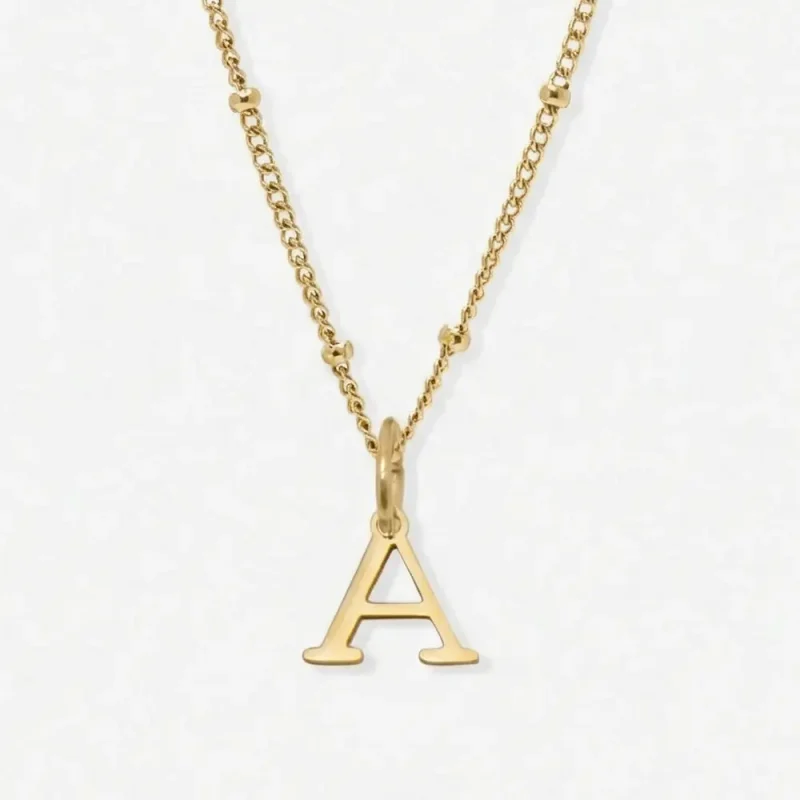
The practical lesson is simple. Meaningful gifts tend to come from genuine attention to the person, with price and trend secondary. They reflect a considered choice over a safe default, and they often suit the person so well that the giver might happily wear the piece themselves. Pieces with a personal anchor, an initial, a symbol, a recurring motif, give that attention something to hold on to. Choose for the person and the moment, pick something made to be worn often, and the gift has the best chance of being kept and loved for a long time. Every time the recipient wears it, the message arrives again, and that steady repetition over years is what tends to turn a gift into something that lasts. For more on the selection itself, see how to choose a meaningful gift, and for occasion led ideas, jewellery to mark a milestone.
FAQ
Why is jewellery considered a meaningful gift?
Because it is worn close to the body, lasts for years, and is met every day, jewellery carries the memory of who gave it and often gathers significance over time. A piece chosen with care also signals that the giver paid attention, which is part of what makes it feel personal.
What makes jewellery a sentimental gift and more than an accessory?
Sentiment comes from association. A piece worn through everyday life picks up links to moments, places, and the person who gave it. Over years those associations build, and the piece becomes a quiet record of a relationship, more than an ornament.
Does jewellery make a good gift if it was not expensive?
Yes. Meaning comes from how well a piece suits the person and how often it is worn, with price a minor factor. A simple, well made piece chosen with genuine attention usually means more than a costly one picked without thought.
How does a jewellery gift grow in meaning over time?
A piece that is durable enough to wear daily stays in someone's life long enough to gather associations. As it accompanies them through ordinary days and significant moments, it accumulates emotional weight, which is why well chosen jewellery often matters more years later than it did at first.
Related pieces
An Alphabet Necklace carries an initial that can stand for the recipient or someone they love, a quiet personal anchor that keeps a gift wearable for years. A Baroque Pearl Jewellery Set offers a softer, more classic option for marking a significant moment, with the kind of presence that suits an occasion yet still works in everyday life. Both reward choosing for the person ahead of the price, which is what gives a gift the best chance of being kept and loved.