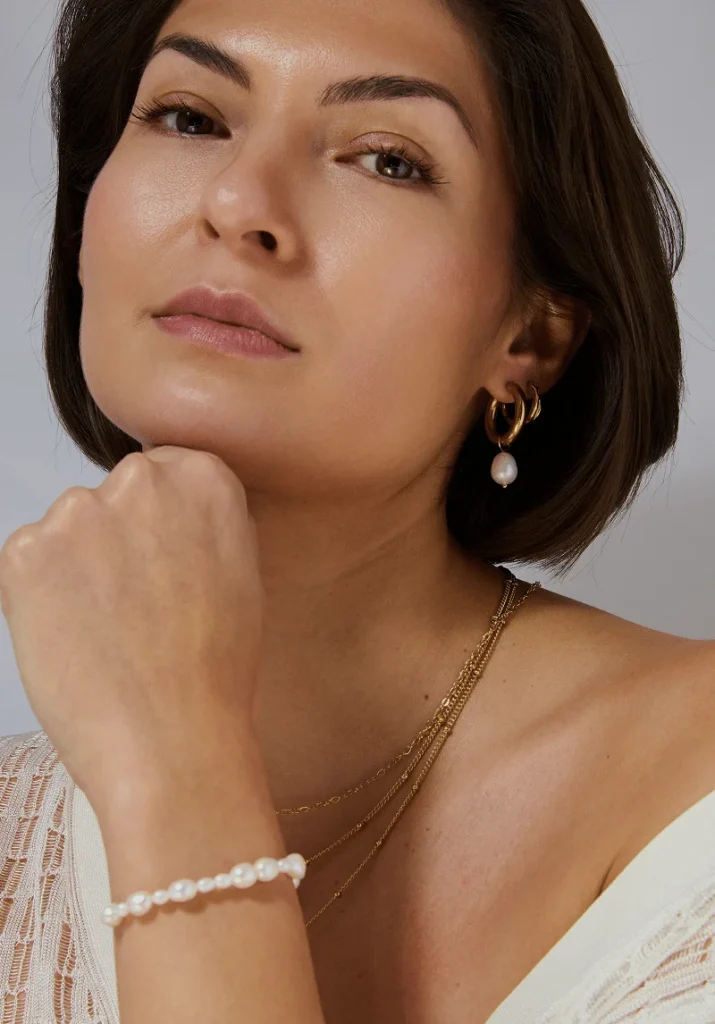


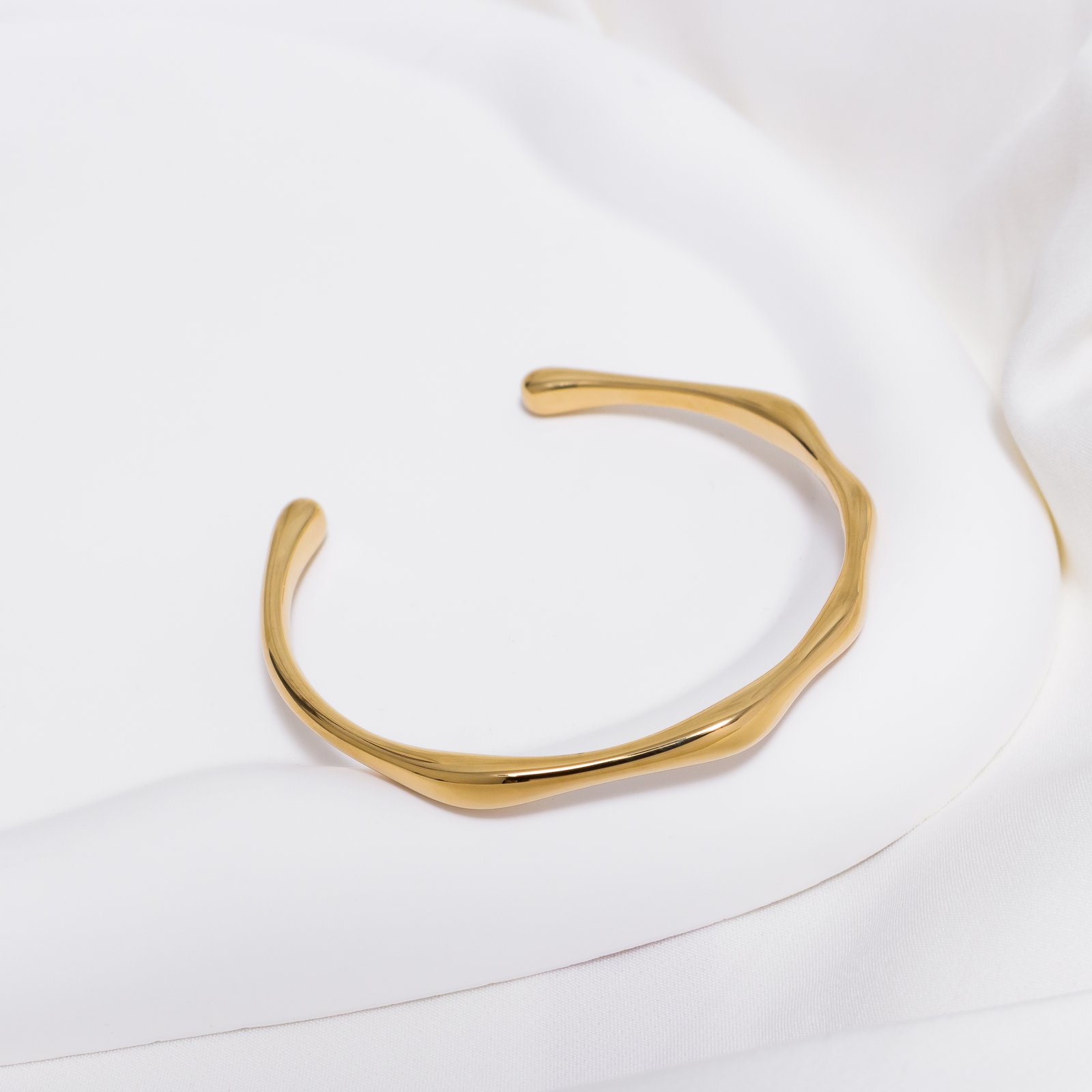
Picture the small ritual most of us have at the edge of a pool or a shower. The pause, the reach for the clasp, the choice of whether the chain comes off or stays on. Waterproof jewellery is meant to take that decision away. In plain terms it is jewellery you can wear in water, in the shower, swimming, sweating at the gym, without the finish failing in a few weeks. The word promises more than any single piece can fully deliver, so the practical meaning depends on what a piece is made from, how it is built, and the kind of water it meets.
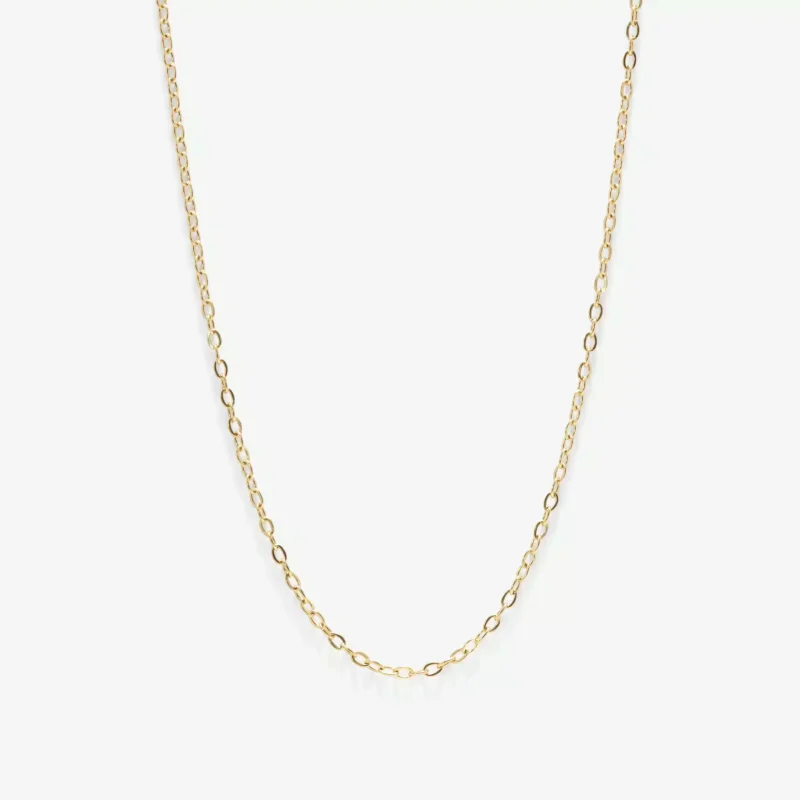
What does waterproof jewellery mean?
Waterproof jewellery means a piece that keeps its colour and structure through regular contact with water. Water on its own does little to most metals. The damage comes from what the water carries: chlorine, salt, minerals, and the sulphur and acids in sweat. So a useful definition rests on the base metal and the finish behind the word.
There is no single industry standard for the term, the way there is for water-resistant watches. Two pieces labelled waterproof can behave very differently. One maker might mean a thin surface treatment that survives a quick rinse. Another might mean recycled 316L stainless steel under a bonded gold coating that holds up for years. Reading the material description tells you which kind you have.
A clearer way to think about it: water-resistant covers brief contact such as hand-washing or rain, measured in minutes. Waterproof covers sustained exposure such as showering and swimming. The honest version of the claim describes a material built to handle daily water, with the understanding that quality and care set the limit.
Is waterproof jewellery real, or just marketing?
Waterproof jewellery is real when the materials back the claim. The combination that holds up is a corrosion-resistant base metal under a hard, bonded finish. Recycled stainless steel with a gold PVD coating is the common example, and it performs because both layers resist water, where a fragile surface film would soon fail.
The marketing version of the claim is the one to question. A cheap brass or copper piece given a thin gold flash may be called waterproof, then lose its colour at the clasp within months. The base metal underneath is the tell. Stainless steel resists corrosion on its own, so even at a worn high-friction point it does not rust or stain the skin. Brass and copper exposed to water oxidise and discolour.
PVD, physical vapour deposition, is a large part of why the better pieces last. The gold-toned material is bonded to the base metal at a molecular level inside a vacuum, forming a hard, integrated layer. That is far more durable than standard electroplating, which sits on top and wears through quickly. Our piece on PVD explained covers the full picture, and the short version is that a bonded layer survives water and friction far better than a plated one.
Can you shower with waterproof jewellery?
You can shower with waterproof jewellery made from stainless steel with a PVD coating, and daily showering is well within what it is built for. Plain water and the warmth of a shower do not harm a corrosion-resistant base metal or a bonded finish. The variables to watch are the products that share the shower with you.
Shampoo, soap and body wash leave residue that dulls a finish over time, so the colour can look flat even while the coating is intact. A quick rinse under clean water afterwards keeps the surface bright. Heat is fine for PVD-coated steel, which is heat resistant, so steam and hot water are no concern. The same applies to sweat. A workout or a sauna will not strip a bonded finish, though a rinse afterwards still helps.
Swimming asks a little more. Chlorine and saltwater are more aggressive than tap water, and over long, repeated exposure they can shorten the life of any finish. Stainless steel handles both far better than plated brass, and the habit that protects it is simple: rinse the piece in fresh water after the pool or the sea, then pat it dry.
Does waterproof jewellery tarnish?
Waterproof jewellery made from stainless steel and PVD-coated steel strongly resists tarnish, because tarnish is a chemical reaction that affects silver, brass and copper, while these materials stay stable. Tarnish is oxidation and sulphur reacting with a reactive metal. Stainless steel forms a stable chromium oxide layer that protects it, and a PVD coating adds a hard, chemically stable barrier on top.
What happens instead is slow physical wear, a gradual thinning of the surface. A PVD finish on stainless steel holds its colour through roughly two to five years of daily wear, and longer with occasional wear and a little care. The finish wears gently at high-friction points, the inside of a clasp or the spot where a chain rubs against itself, over years. That is a world away from the chemical tarnishing that turns silver dark within weeks. If you want the chemistry behind why jewellery tarnishes, the difference between reactive and resistant metals explains the whole pattern.
Standard plated jewellery is the contrast. A thin gold flash over brass can wear through within months, and once the base metal shows, it oxidises and discolours. The base material decides the outcome.
What kind of water exposure affects the finish?
The kind of water matters as much as the amount. Plain tap water is the gentlest, and daily contact with it sits well within what a stainless steel piece with a PVD coating is built for. Rain, hand-washing and the splash of doing the dishes ask nothing unusual of a corrosion-resistant material.
Pool water is more demanding because of the chlorine. Chlorine is an aggressive oxidising agent that attacks reactive base metals and can dull a finish over long, repeated exposure. Stainless steel resists it far better than plated brass, yet the sensible habit after a swim is the same in either case: rinse the piece under fresh water and dry it.
Saltwater adds its own pressure. The salt speeds up the electrochemical reactions that wear a finish, and fine mineral salts can settle into the links of a chain as the water dries. A rinse after the sea clears the salt before it has time to sit. Hard water leaves mineral deposits as it evaporates, which can leave a piece looking cloudy, so a wipe with a soft cloth keeps the surface clear.
How to choose waterproof jewellery that lasts
Let the material guide the choice ahead of the headline claim. A description that names recycled 316L stainless steel with a gold PVD coating tells you the base metal resists corrosion and the finish is bonded into the surface. That single line is worth more than the word waterproof on its own.
Look at the clasp and any joints. These are the high-friction, high-stress points where a finish wears first and where cheaper pieces fail. A clasp made from the same material as the rest of the piece is a good sign. Vague descriptions that avoid naming the base metal usually have a reason.
Then match the care to the wear. Rinse after the pool or the sea, wipe off soap residue, and store the piece dry. Hypoallergenic stainless steel with PVD is well suited to constant wear, including water, sweat and heat, and a light routine keeps the colour bright for years.
FAQ
Does waterproof jewellery tarnish?
Stainless steel and PVD-coated steel strongly resist tarnish, because tarnish is a chemical reaction that affects silver, brass and copper. These materials wear slowly at friction points over years, a physical change quite separate from chemical tarnishing.
Can you shower with waterproof jewellery?
Yes. Stainless steel with a PVD coating handles showering, sweat and heat. Rinse off soap and shampoo residue afterwards to keep the finish bright.
What does waterproof jewellery mean?
It means a piece that keeps its colour and structure through regular water contact. In practice it relies on a corrosion-resistant base metal such as stainless steel under a bonded finish, since water itself harms most metals far less than the chlorine, salt and sweat it carries.
Is waterproof jewellery real?
Yes, when the materials match the claim. Recycled stainless steel with a gold PVD coating resists water and tarnish. A thin gold flash over brass called waterproof is the version that fails early.
Can you swim in waterproof jewellery?
Stainless steel with PVD handles swimming, though chlorine and saltwater are more aggressive than tap water over long exposure. Rinse the piece in fresh water afterwards to extend the life of the finish.
Related pieces
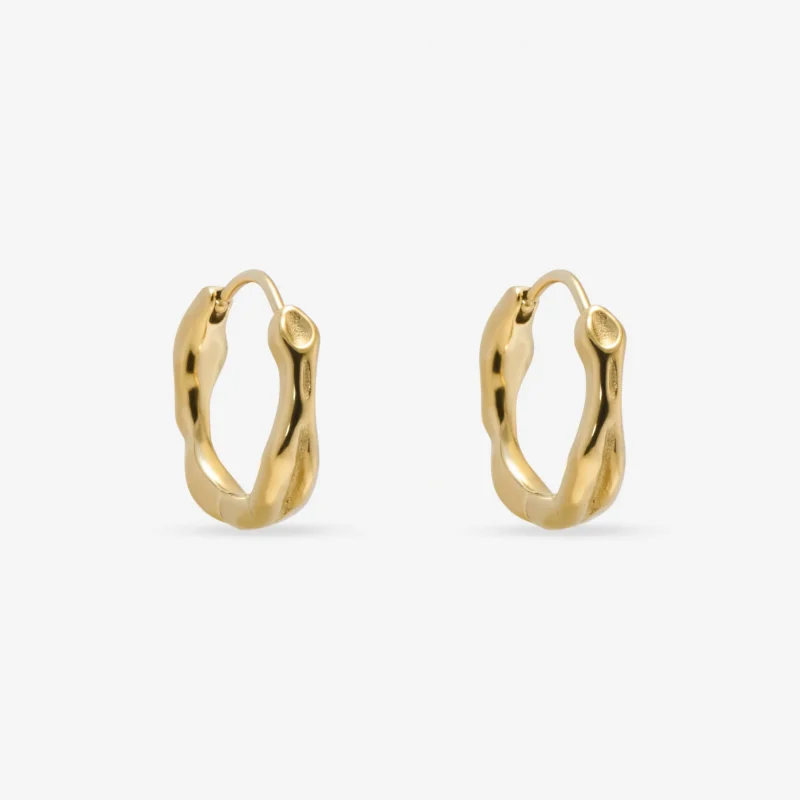
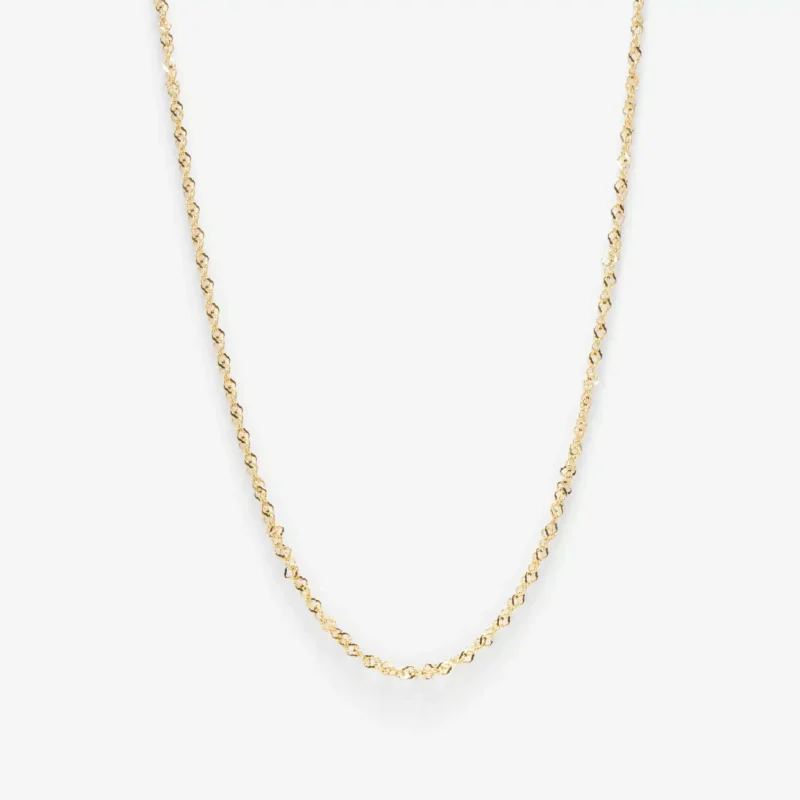
If you want pieces you can simply leave on, the Molten Hoop Earrings and the Singapore Twist Chain are made from recycled stainless steel with a 14k gold PVD coating, so they hold their colour through water, sweat and daily wear. Both are designed for the kind of life where the jewellery rarely comes off.