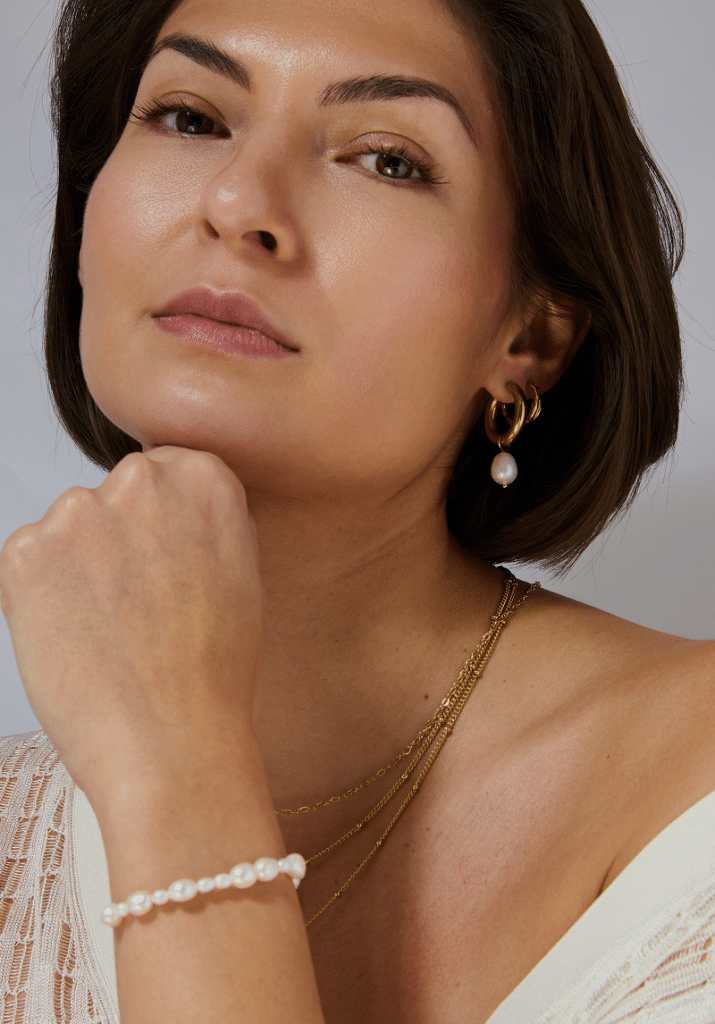


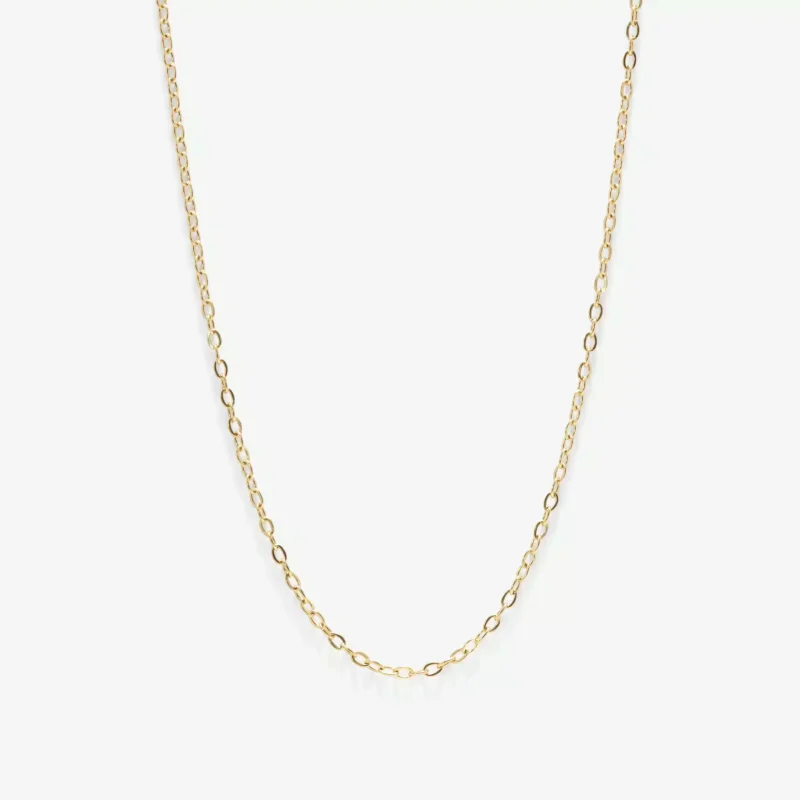
There is a small group of pieces most of us never really take off. A chain that has lived against the skin so long it feels like part of it, a bangle that goes on with the morning coffee and comes off at the basin last thing at night. How to care for jewellery like this comes down to a few simple habits: keep pieces dry, clean them gently when they look dull, and store them separated and out of the bathroom. A daily piece meets more skin, moisture and friction than something kept for occasions, so a light routine you actually keep matters more than an elaborate one you abandon by the second week.
Why everyday jewellery needs a different routine
A piece worn once a month spends most of its life in a box, in stable, dry, low-contact conditions. A piece worn daily sits against the skin and clothing for hours, meets sweat and skincare, and gets put on and taken off again and again. That constant contact is the reason daily pieces show wear sooner. Small effects from friction, moisture and skin chemistry build up across weeks, with no quiet spell in between to let them settle.
The way damage adds up is part of the difference too. An occasional piece gets long rests between wears, so any small mark or change has time to settle. A daily piece is back in use the next morning, so each tiny effect is followed straight away by the next, and the total accumulates faster. It is why a chain worn once a month can look unchanged for years, while the same chain worn daily shows its use much sooner.
The reassuring part is that everyday materials made for this kind of wear hold up well with very little effort. Stainless steel with a gold PVD coating, for example, is hard, water and sweat resistant and low-maintenance, so a daily piece in this material keeps its finish with occasional gentle cleaning and dry storage. The point of a routine is to slow the slow stuff: residue, dullness and moisture sitting where it should not.
What affects jewellery during daily wear
Two things shape how a daily piece ages: physical contact and what touches the surface. Friction against the neck, the inside of the wrist, collars and cuffs gradually takes the shine off the highest-contact areas, and chains flex at the same points each time they move. Sweat leaves salts and oils behind, and skincare, sunscreen, perfume, hairspray and hand sanitiser all deposit residue or contain alcohols and chemicals that can dull a surface or, on some plated pieces, wear a finish more quickly at the edges.
Most of this is cumulative and gradual. The aim is to limit the heaviest exposures and to clear residue before it settles into a layer. Removing pieces before swimming and before strong cleaning products, and rinsing after pool water, saltwater or heavy sweat, takes out the few situations that do the most over time.
Knowing where the residue comes from makes the habits easy to place. Perfume and hairspray go on before jewellery; soap and cleaning products meet the hands at the sink. A short pause to put a necklace on last, after scent has settled, or to slip a bracelet off before bleach-based cleaners, keeps the surface clear of the things most likely to mark it.
How to look after everyday jewellery without overthinking it
For most everyday pieces, the whole routine is three habits. Keep the piece dry before you put it away. Clean it gently and occasionally, when the surface starts to look dull. Store it separated and out of damp rooms. Each takes a few seconds and needs no special products.
Clean with a soft microfibre cloth and mild soapy water, then rinse and dry thoroughly, reaching into chain links and around any settings where water can sit. A soft cloth wipe when you take a piece off clears skin oils before they build up and means you rarely need anything more involved. Keep abrasive cleaners, harsh chemicals, ultrasonic cleaners and toothpaste away from plated or coated pieces, since these scratch or thin a finish over time. There is more detail on safe methods for gold, silver and pearls in our guide to how to clean jewellery.
Over-cleaning is a real risk that gets less attention than neglect. Rough cloths and gritty pastes leave fine scratches that build into a dull, frosted look under close inspection. A gentle method used often is kinder to a piece than an aggressive one used now and then, so the lightest approach that does the job is the one to keep to.
Do you need to take jewellery off?
For waterproof, tarnish-free pieces in stainless steel with a PVD coating, daily life including water, sweat and heat is fine, and most pieces can stay on through showering and everyday tasks. A few moments are still worth a brief removal. Take pieces off before swimming pools and saltwater, and before bleach or strong cleaning products, as good practice for keeping a finish at its best.
If you would rather keep a piece on, give it a rinse with fresh water afterwards instead. Rinsing after the pool, the sea or heavy sweat clears chlorine and salt and helps the finish last. Pearls and plated pieces are more delicate than solid metal, so wipe pearls with a soft damp cloth and keep them out of long soaks.
It is also worth a quick look at fastenings now and then. Clasps and earring backs take a small amount of stress every time a piece goes on and comes off, and over months of daily wear a clasp can loosen or an earring back can sit less firmly. Noticing this early, while putting a piece on or cleaning it, gives you the chance to have it adjusted by a jeweller before it lets a piece slip.
A low-maintenance jewellery routine that lasts
The routine that works is the one attached to things you already do. Take a piece off as part of undressing and set it in the same spot each time. Give it a wipe as you put it on in the morning. Pat it dry after any water before it goes away. Done this way, care stops being a separate task and becomes part of the day, which is why it holds up across years instead of fading after a fortnight.
How often you do a proper clean depends on the piece and the week. A necklace worn at a desk might need a wash once a month; the same necklace worn through workouts or hot weather might want it weekly. Cleaning when you notice the first dullness, instead of to a fixed calendar, keeps a piece in good condition without you having to track a schedule. Storage habits matter just as much, and our guide to how to store jewellery covers the simple setup that protects daily pieces between wears.
There is a quieter benefit to keeping care this light. A piece that asks for very little gets worn more, and a piece that gets worn more is the one that collects the days and memories that make it yours. Low effort and frequent wear support each other, so the simplest routine is usually the one that serves a piece best over the years you own it.
FAQ
How often should I clean jewellery I wear every day? Clean when the surface starts to look dull, not to a fixed schedule. For a daily piece that is roughly once a month, or more often in hot weather or after exercise. A soft cloth wipe as you take it off keeps the gaps between proper cleans long.
Can I shower or swim with everyday jewellery? Waterproof PVD-coated stainless steel handles showering and everyday water without trouble. For pools and saltwater, take pieces off where you can, or rinse them with fresh water afterwards to clear chlorine and salt and protect the finish.
What is low maintenance jewellery? Low maintenance jewellery is made from stable, water and sweat resistant materials, such as stainless steel with a PVD coating, that keep their look with little effort. These pieces tend to get worn more, because there is no fuss attached to putting them on.
Do I need special products to care for my jewellery? No. A soft microfibre cloth and mild soapy water cover most everyday cleaning. Keep away from abrasive cleaners, harsh chemicals, ultrasonic cleaners and toothpaste, which can damage plated and coated pieces.
Related pieces
A few everyday pieces designed to be worn daily and looked after simply:
Best sellers
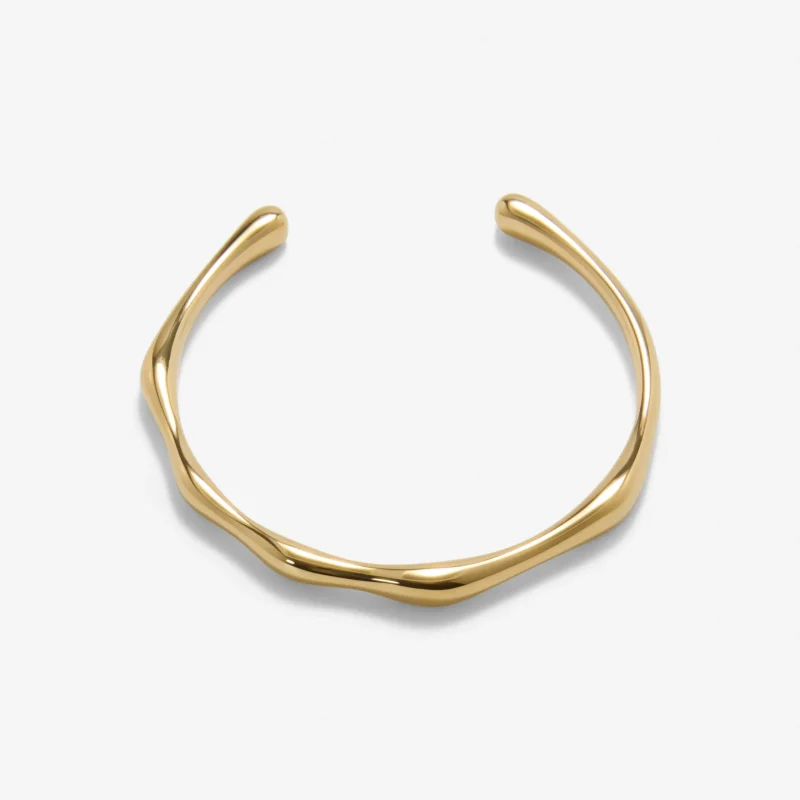
Molten Bangle
Dainty Chain
Rolo Chain