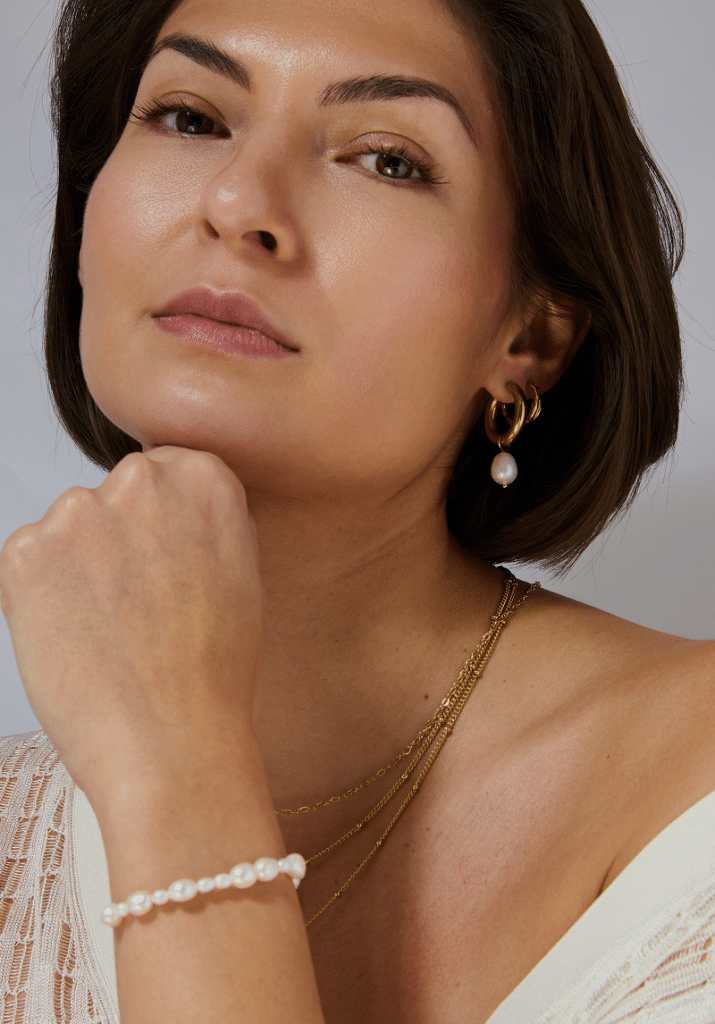


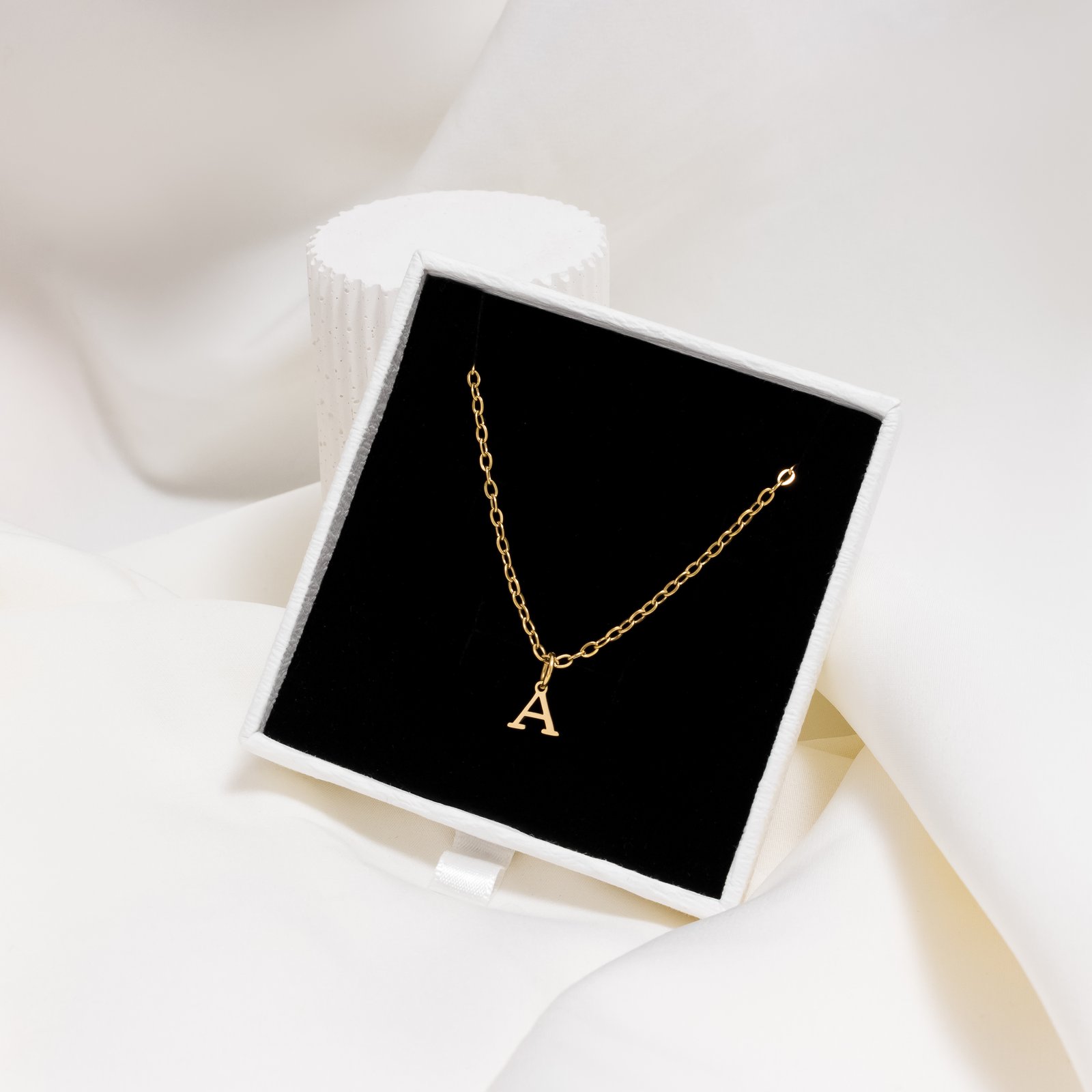
A piece you wear all the time loses its shine so gradually you barely notice, until the day you catch it in good light and it looks tired. How to clean jewellery safely starts with a soft microfibre cloth and mild soapy water, then a rinse and a thorough dry. That gentle method suits most everyday pieces. Cleaning with the wrong tools can do more harm than leaving a piece alone, so the goal is to lift residue without scratching or thinning the surface.
What you are actually cleaning off
Most of the dullness on a worn piece is a surface layer: skin oils, sweat residue, traces of skincare and make-up, and everyday dust. These sit on top of the metal and lift away with mild cleaning. They are not changes to the metal itself, so they need only a gentle approach.
Tarnish on silver is a different thing. It is a chemical change that shows as dark discolouration, and it responds to different treatment from ordinary oils and grime. Working out which you are dealing with, a dull film or actual tarnish, tells you which method to reach for, and stops you using something aggressive where it is not needed.
For tarnish-free materials such as stainless steel with a PVD coating, dark discolouration is rarely the issue at all. The dullness on these pieces is almost always the surface layer of oils and residue, which clears with a soft cloth and mild soap and asks for nothing stronger.
How to clean jewellery at home, step by step
For most everyday pieces, including stainless steel and PVD-coated jewellery, the reliable method is a soft microfibre cloth with mild soapy water. The soap lifts the skin oils that cause most dulling, and warm water helps it along. Work gently, then rinse to clear all the soap, and dry the piece completely with a soft cloth before it goes away.
For textured surfaces or links where residue collects, a soft-bristled brush lets the soapy water reach into recesses without force. Dry thoroughly afterwards, getting into chain links and around any settings, as water left to sit can leave spots in hard water areas and encourage tarnish in the gaps. Stainless steel and PVD coatings are hard and stable, so this simple routine keeps them looking new without anything stronger. Cleaning is easiest when pieces are stored well between wears, which our guide to how to store jewellery covers.
Keep the water warm and the soap mild and small in quantity, since hot water is unnecessary and excessive heat can be hard on settings. The whole process takes a minute or two, and done occasionally, when a piece starts to look dull, it is all most everyday jewellery ever needs. There is no benefit in cleaning more often than the piece asks for, since each clean is a small amount of handling the surface does not strictly need. Letting a piece dry fully before it goes away is the last small step, since trapped moisture in links and clasps is what lets marks and dulling set in between cleans.
How to clean gold jewellery
Gold jewellery is among the more forgiving to clean. It does not react with mild cleaning agents, and it tolerates gentle physical cleaning. Warm water with a little mild soap, worked in with a soft cloth or soft-bristled brush, lifts the skin oils that dull the surface.
Rinse thoroughly to remove every trace of soap, then dry completely with a soft cloth before storing. The same gentle method suits gold-tone PVD-coated pieces: keep to soft cloths and mild soap, and skip anything abrasive, since rough cleaning can wear a coated finish faster at the edges where it is thinnest.
This is the point where so-called shortcuts cause trouble. Gritty pastes and home remedies promise a quick shine, but they scratch the surface and, on coated pieces, thin the finish. Mild soap and a soft cloth give the same clean result and keep the finish intact, which is what matters on a piece worn every day.
If a gold-tone piece looks dull after the dust and oils are gone, the answer is more frequent gentle cleaning, with no need for a stronger product. Catching the residue early, with a quick wipe as the piece comes off, keeps the surface bright and means the occasional fuller clean stays quick and gentle.
Cleaning pearls and plated pieces
Pearls and plated pieces are more delicate than solid metal and need a lighter touch. For pearls, wipe gently with a soft damp cloth and keep them out of long soaks, as prolonged water exposure can affect the surface and the thread they sit on.
Plated and coated pieces keep their look longest with soft-cloth cleaning and mild soap, kept away from anything harsh. When you are unsure about a piece, an unusual material or a setting you do not want to stress, a barely damp soft cloth to lift loose deposits, followed by drying, is the safest default. For pieces of real sentimental or financial value where you are uncertain of the materials, a professional clean by a jeweller is a modest cost against the risk of damage at home.
It also helps to keep pearls and plated pieces clear of perfume, hairspray and skincare, since these settle on the surface and are the residue you then have to clean off. Putting these pieces on last, after scent and products have dried, leaves less to remove and keeps the gentle cleaning they need even gentler.
Cleaning methods and products to avoid
Several popular fixes cause more harm than good. Toothpaste is abrasive enough to scratch most jewellery metals with repeated use, and baking soda has the same problem. Household products such as bleach, ammonia-based glass cleaners and abrasive kitchen cleaners can etch surfaces, shift the colour of alloys or damage a finish, so keep them away from jewellery.
Ultrasonic cleaners can loosen stone settings, harm pearls and lift plating, so they suit only solid metal pieces without vulnerable parts. Rough cloths, including many tea towels and paper towels, leave fine scratches that dull a finish over time. Across every material, the gentlest method that does the job is the one to choose: a soft microfibre cloth and mild soapy water, then rinse and dry. Pairing safe cleaning with a sensible routine is what keeps pieces looking new, which our guide to how to care for jewellery sets out in full.
The thread running through all of this is gentleness. The materials that scratch a finish are the ones to leave in the cupboard, and the simple, mild method is the one that keeps a piece looking new across years of wear. When a method feels harsh, that is usually the sign to stop and reach for the soft cloth instead. A piece looked after this way holds its brightness for years, and the cleaning itself stays a quick, untroubled part of putting it on and taking it off.
FAQ
How do I clean jewellery at home without damaging it? Use a soft microfibre cloth with mild soapy water, then rinse and dry thoroughly. A soft-bristled brush helps with textured pieces. Avoid abrasive cleaners, harsh chemicals, ultrasonic cleaners and toothpaste, which can scratch or thin a finish.
How do I clean gold jewellery? Warm water with a little mild soap, worked in with a soft cloth or soft brush, lifts the oils that dull gold. Rinse off all the soap and dry completely. The same gentle method suits gold-tone PVD-coated pieces; keep away from anything abrasive.
Can I use toothpaste to clean jewellery? It is best avoided. Most toothpaste contains abrasive particles that scratch jewellery metals with repeated use. A soft microfibre cloth with mild soapy water is safer and works well for everyday cleaning.
How do I clean pearls and plated pieces? Wipe pearls with a soft damp cloth and keep them out of long soaks. Clean plated and coated pieces with a soft cloth and mild soap, away from harsh products. When unsure, a barely damp cloth to lift loose deposits, then drying, is the safest default.
Related pieces
Low-maintenance pieces that stay looking new with simple cleaning:
Best sellers
Dainty Chain
Singapore Twist Chain
Molten Bangle