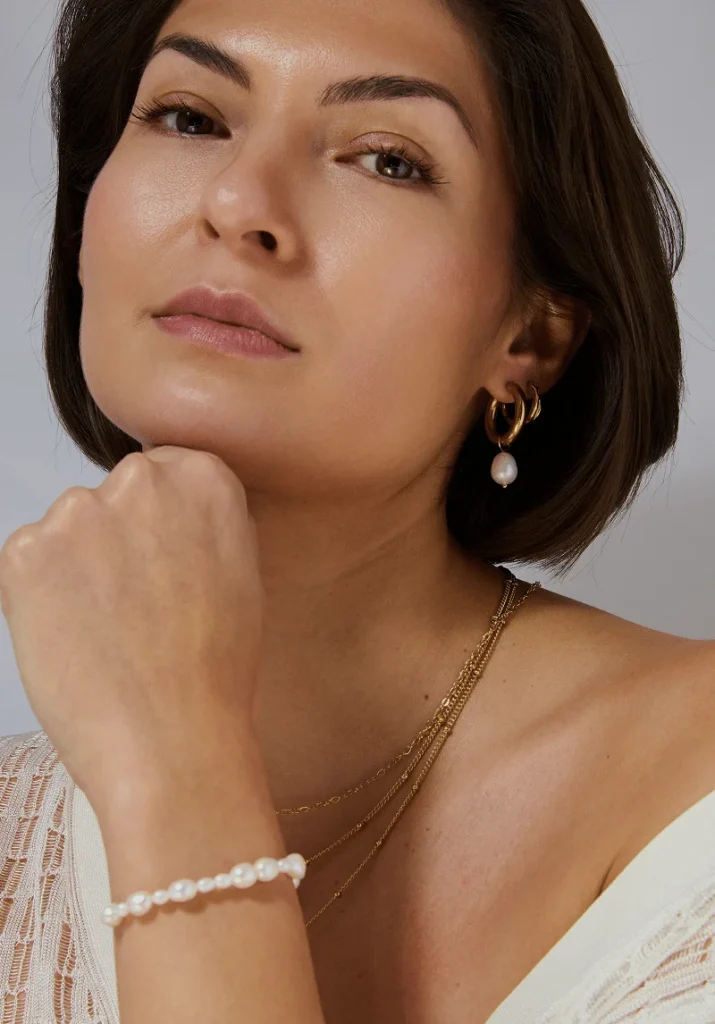


If you have ever read the small print on a piece of everyday jewellery, a watch or even a surgical tool, you have probably seen the same code: 316L.
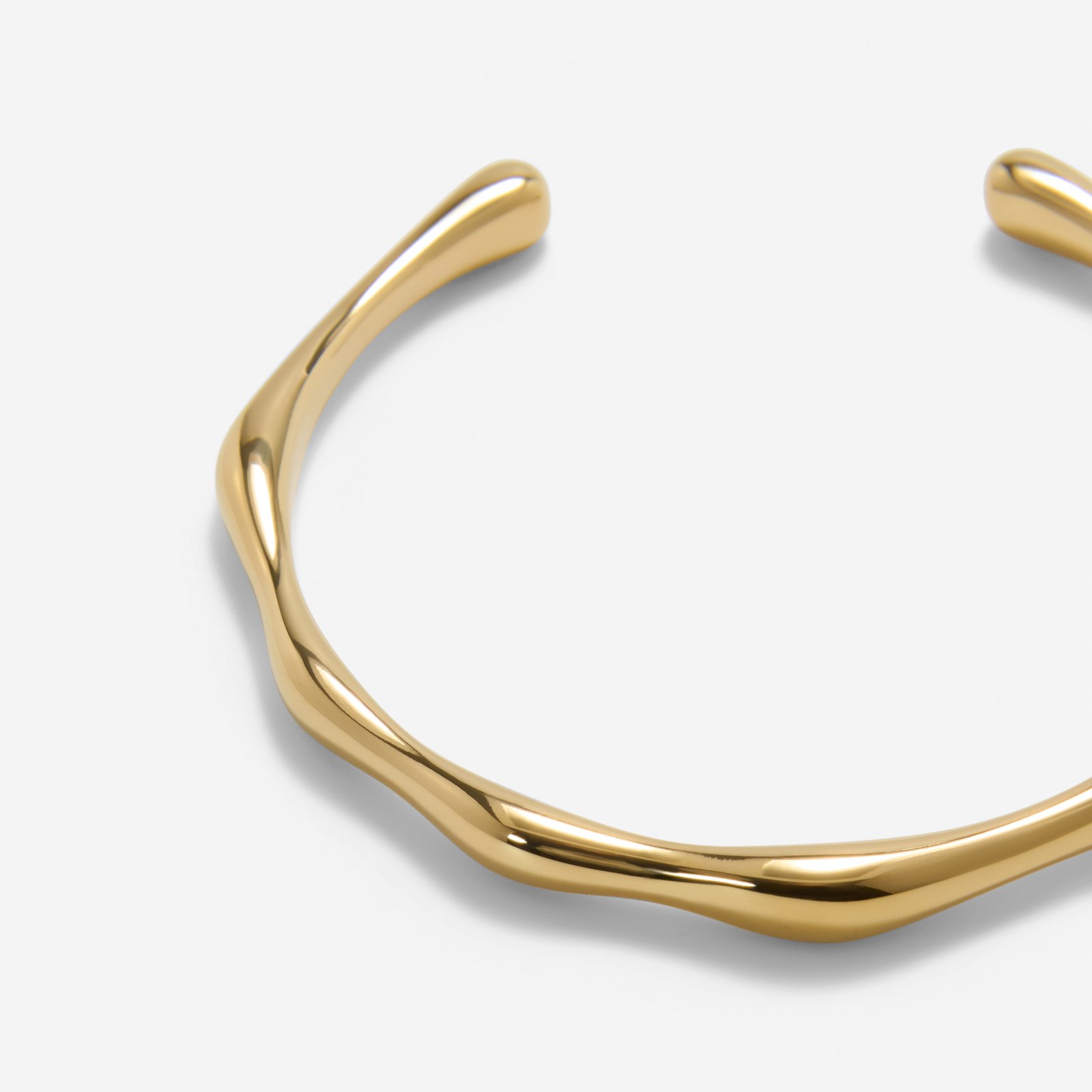
If you have ever read the small print on a piece of everyday jewellery, a watch or even a surgical tool, you have probably seen the same code: 316L.
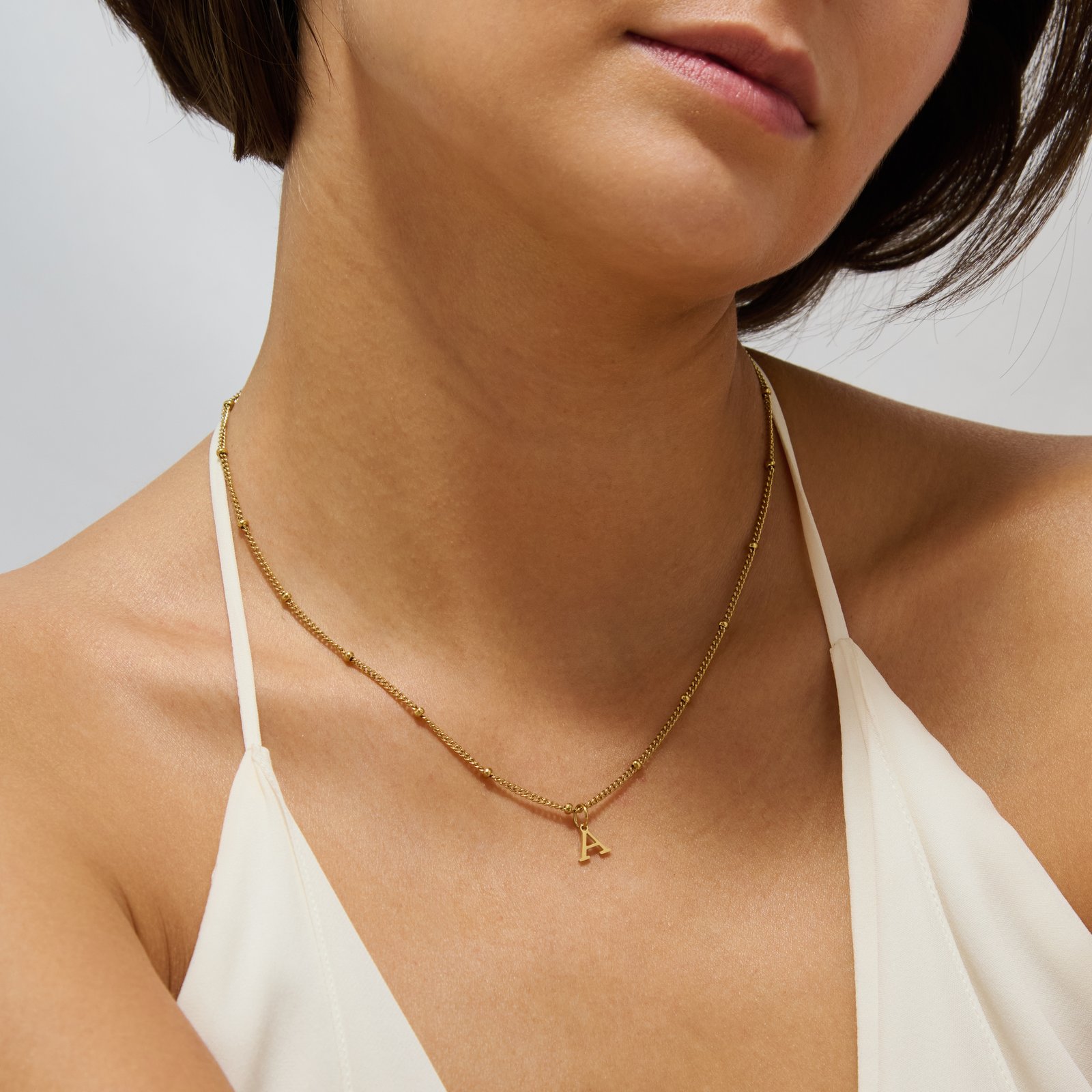
Some necklaces get worn once and forgotten in a drawer. Others go on every morning without a second thought, the clasp found by feel, the pendant settling into the same spot it always does.
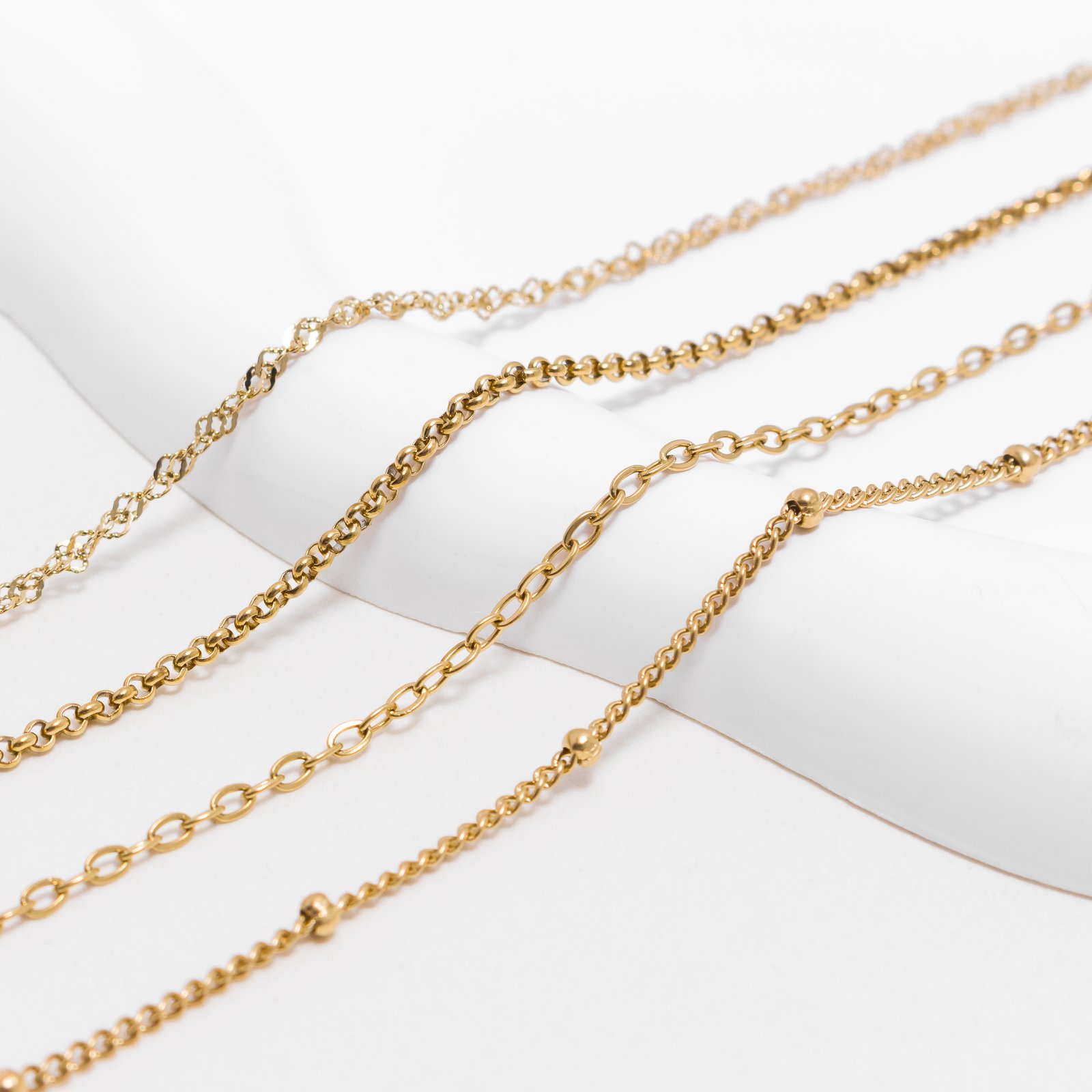
You put in a pair of earrings, get on with your day, and by evening your lobes are sore, itchy or red. It is one of the more disheartening little frustrations, especially when it happens with a pair you really wanted to wear.
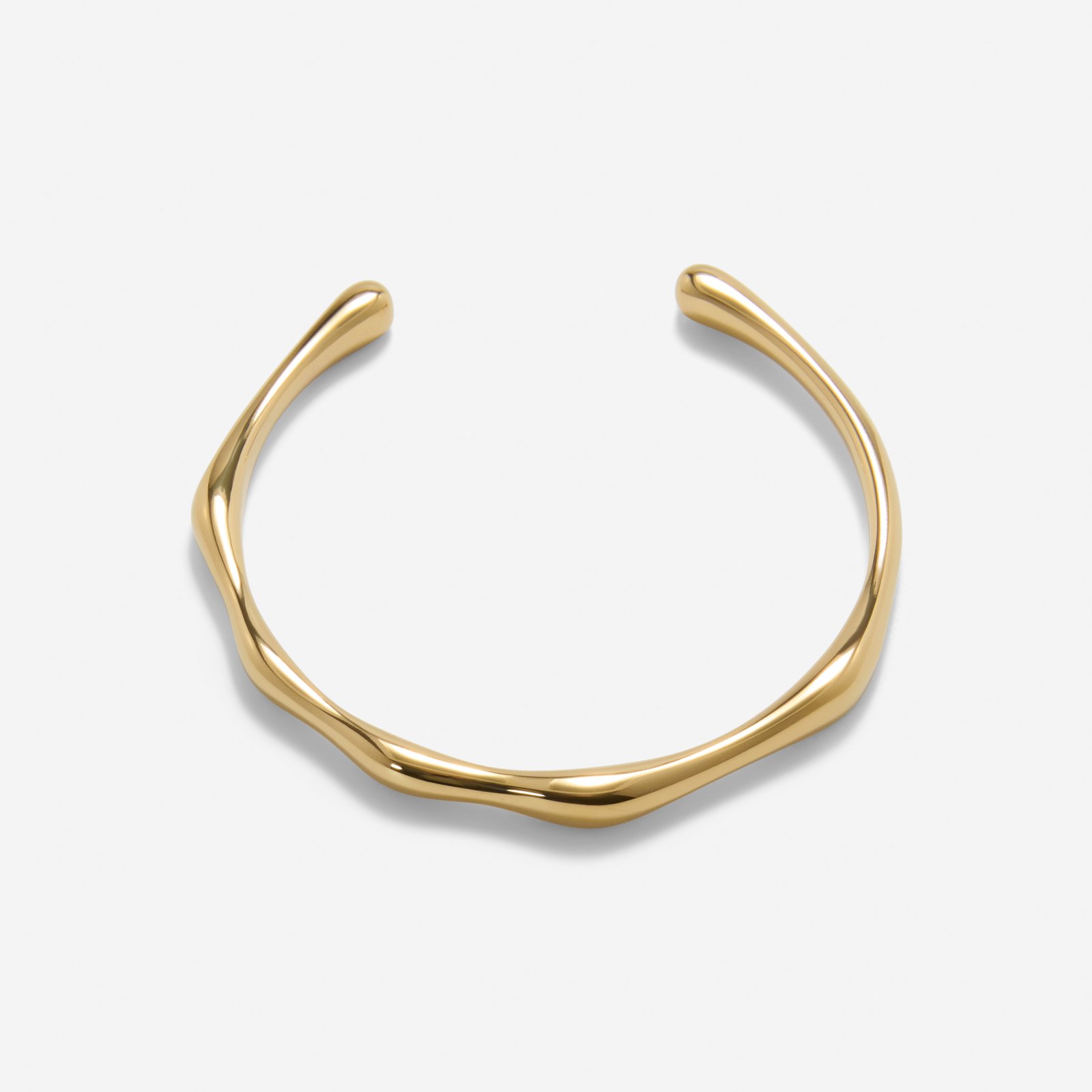
There is a moment, somewhere between adding a piece to your basket and pressing buy, when you wonder whether it will still look good in a year. For anyone who has watched a favourite chain dull or a plated finish flake, the question is a…
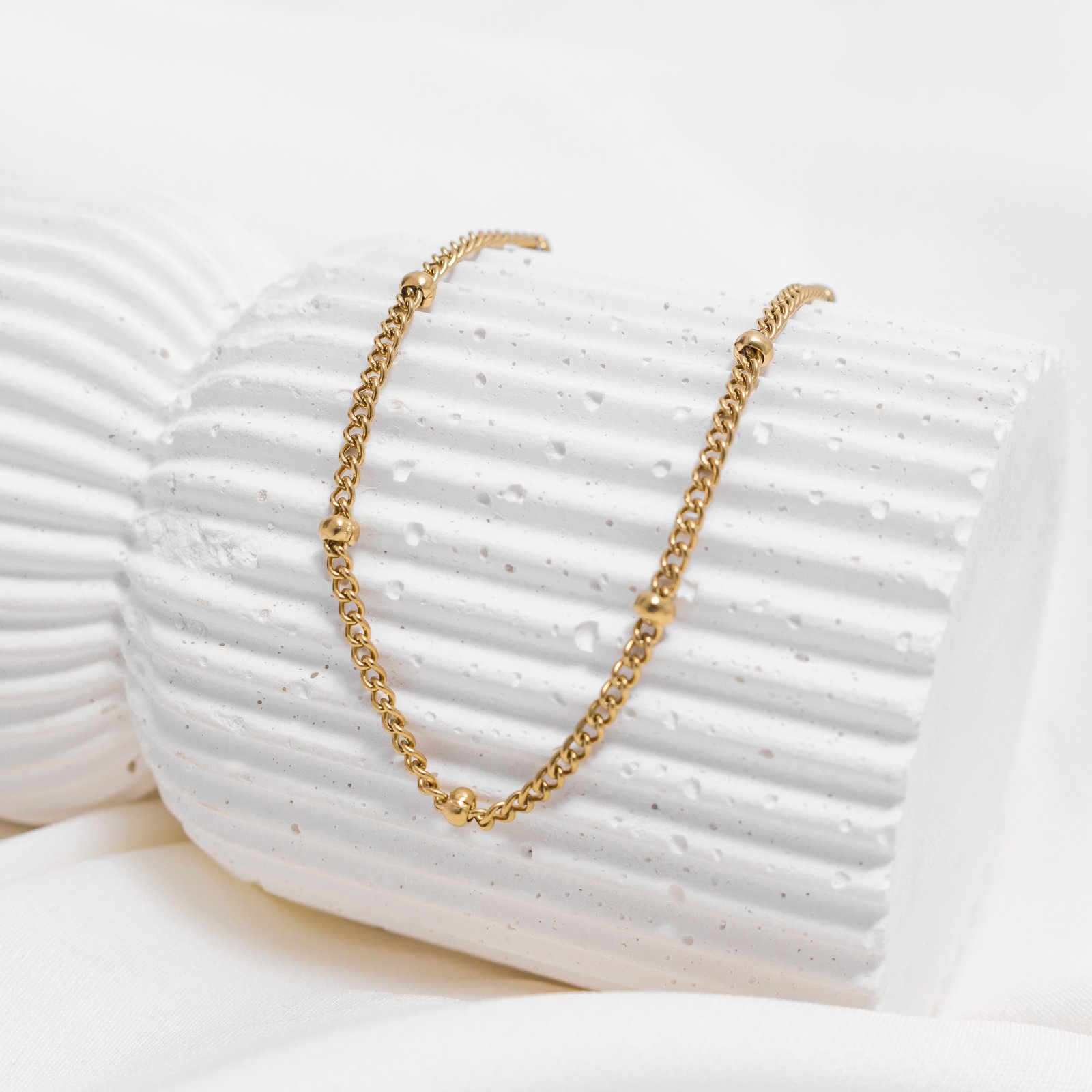
You take a necklace off after a long day, glance in the mirror, and there it is: a faint green tide line where the chain has been sitting.
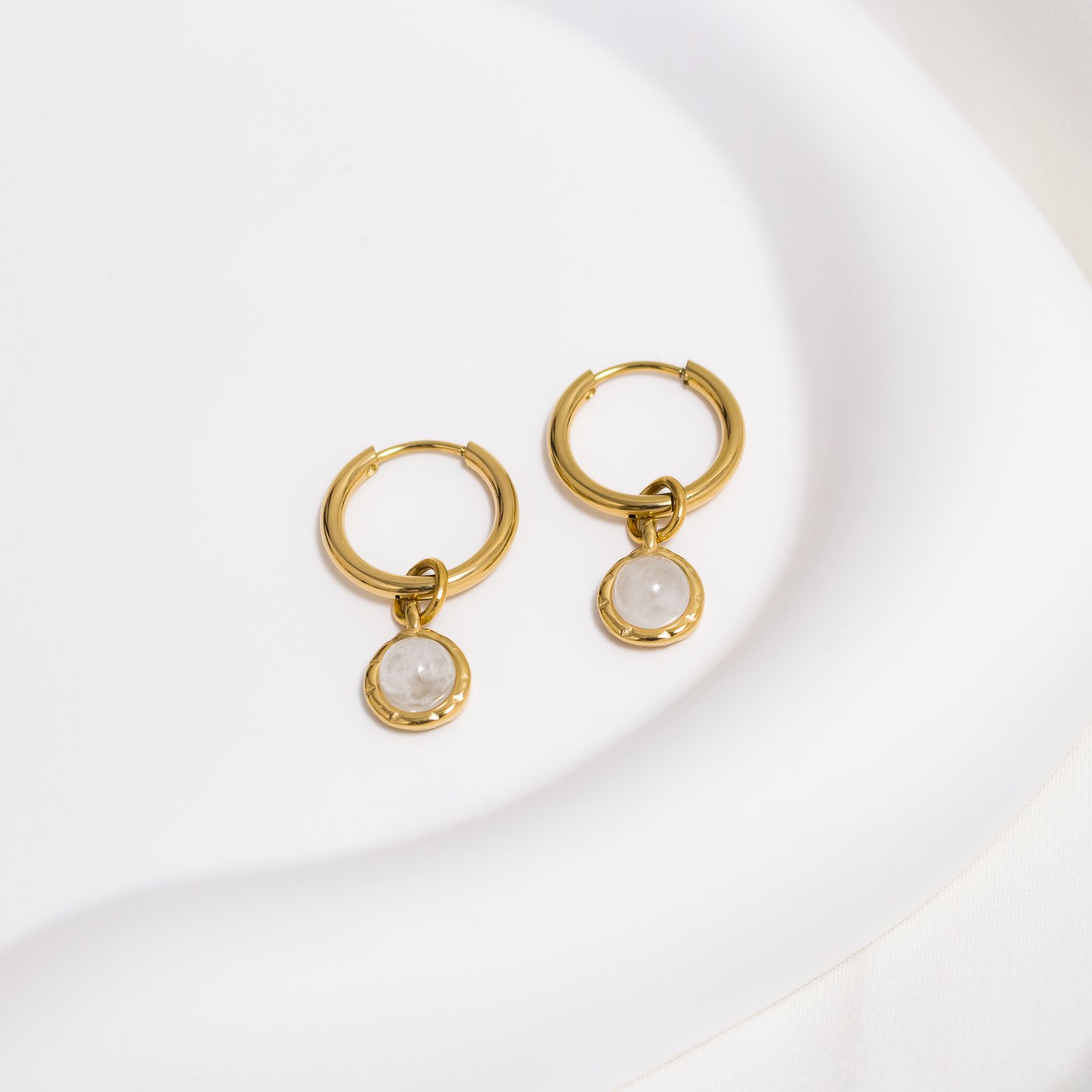
Most of us have picked up a piece in a shop or scrolled past one online and felt that small flicker of doubt: it looks lovely, but will it still look lovely in six months?