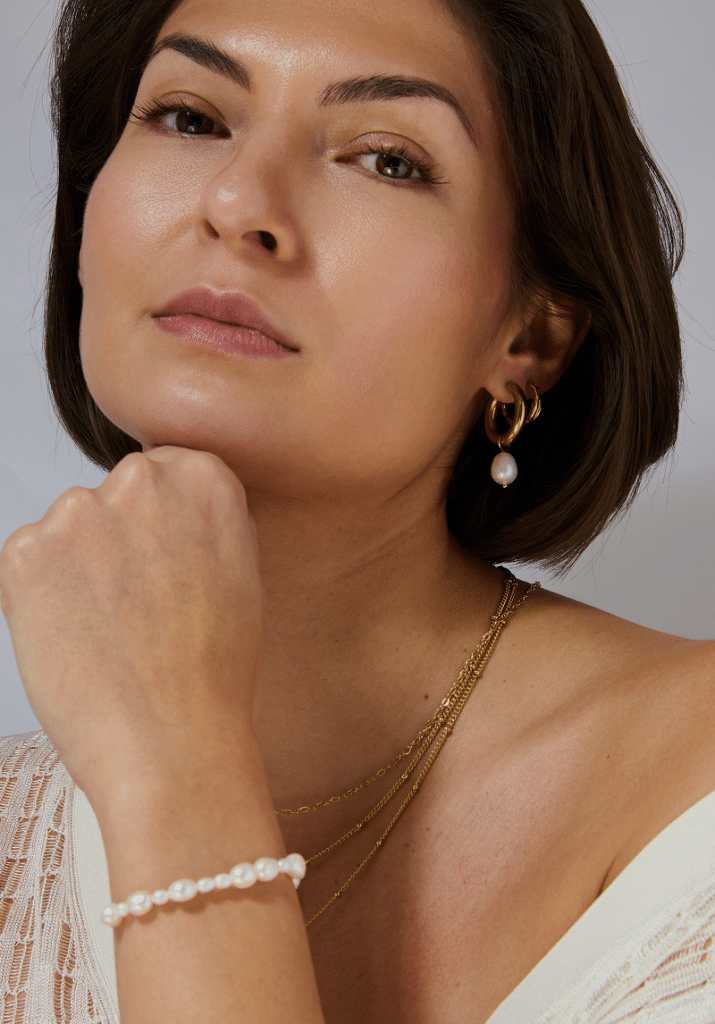


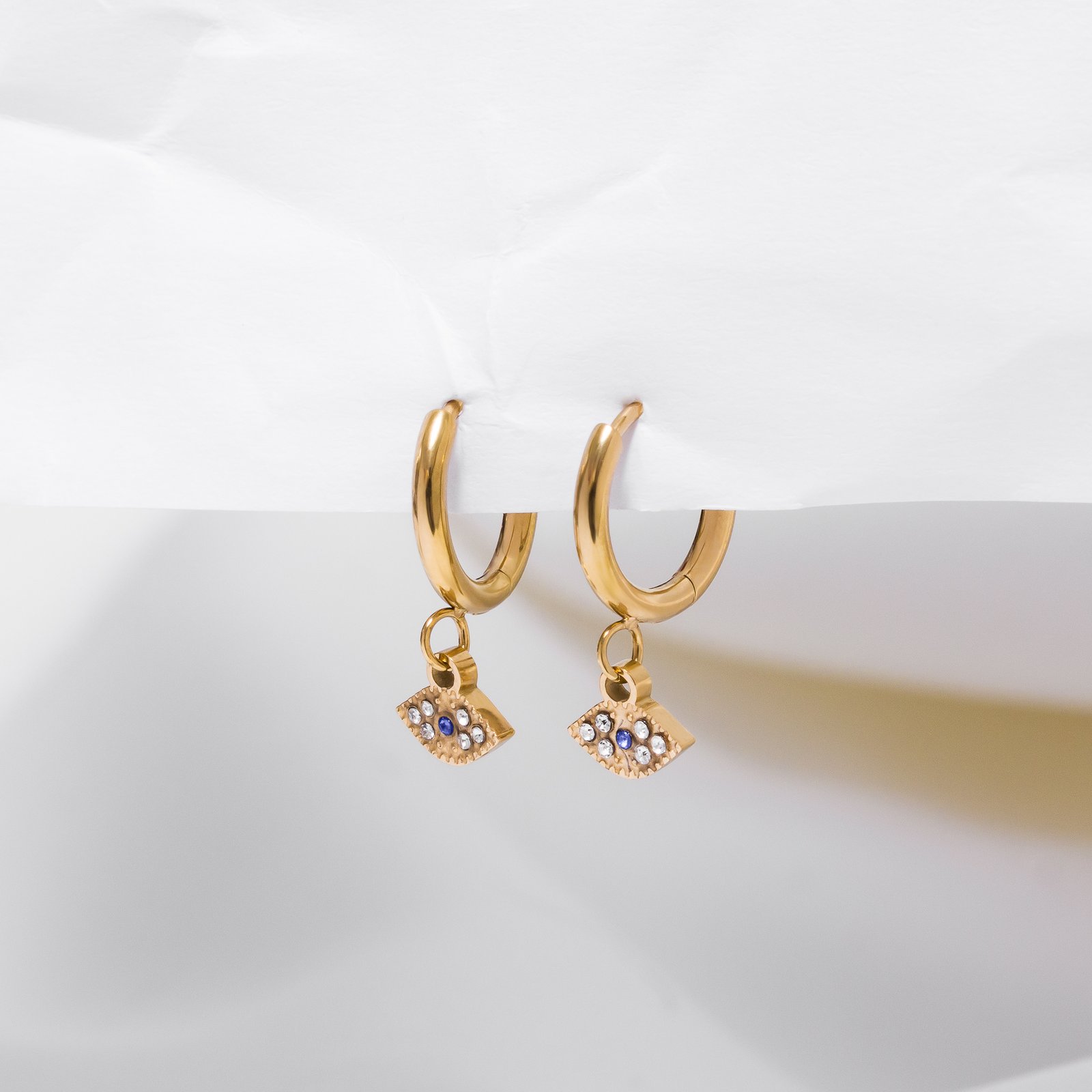
A clifftop at dawn, a register office on a Tuesday, a back garden strung with lights: the wedding you are planning may look nothing like the one in the bridal magazines, and the jewellery does not have to either. Jewellery for non-traditional weddings is led by personal style and the character of the occasion, with conventional bridal expectations set aside. Elopements, civil ceremonies, outdoor and destination weddings, second marriages and informal celebrations all depart from the formal template that conventional bridal jewellery was made to serve. When the wedding moves away from that template, the jewellery is free to as well. The sections below set out how to choose with that freedom, using personal meaning and the practical demands of the setting as your guide in place of an inherited idea of what a bride should wear.
What counts as a non-traditional wedding?
A non-traditional wedding is any celebration organised around the couple's own preferences, set apart from the conventions that have historically defined formal Western weddings. The category is broad and expanding: elopements, civil ceremonies, destination weddings, second marriages, outdoor or informal celebrations, and weddings that simply reflect a personal aesthetic. What they share is a departure from the inherited template, and that departure usually reaches the jewellery as well.
Conventional bridal jewellery expectations, white or clear stones, formal scale, pieces made specifically for a wedding, exist because they serve the conventional formal wedding. Many of the forms treated as timeless are more recent than they appear, shaped by the wedding industry and consumer culture of the nineteenth and twentieth centuries, with no deeper logic behind them. Bridal aesthetics have changed sharply over short periods, and what reads as conventional today would have read as unconventional at another moment. Knowing this makes it easier to set the conventions aside with confidence.
Why does a non-traditional wedding give you more freedom with jewellery?
A non-traditional wedding gives you more freedom because it removes the inherited rulebook and lets you choose on personal preference, aesthetic sensibility, and the specific character of the occasion. The freedom is genuine, though it has a shape. The jewellery still needs to suit the person wearing it, to work with what is being worn, and to fit the setting of the celebration. A beach elopement, a city hall ceremony, and an intimate home wedding each carry their own requirements, even where those requirements are informal.
The useful question for a non-traditional wedding is what suits this occasion, this setting, and this person. The answer may or may not resemble conventional bridal jewellery, and either outcome is fine. This freedom is also why alternative bridal jewellery has grown. Many couples now choose fine, wearable pieces meant to be worn after the wedding, or pieces with personal significance, over elaborate occasion-specific ones.
How does personal style guide the choice?
With no conventional expectations to follow, personal style becomes the primary guide for a non-traditional bride. The jewellery that feels most right is often whatever the person would choose for a significant occasion in their own style, adjusted for the setting of the celebration. Someone whose everyday aesthetic is minimal and understated is unlikely to feel like herself in elaborate formal bridal jewellery, whatever the convention says. Someone whose style is more expressive may feel that a combination of meaningful pieces, worn the way she finds most satisfying, is more honest than any conventionally bridal choice.
The value of this approach is its authenticity. A non-traditional wedding that genuinely expresses who the couple are extends naturally to the jewellery. The pieces should feel like the person's own. One contemporary version of this is the explicitly minimal look: a single fine necklace, a pair of small studs, or a delicate bracelet worn alone, treating the wedding as an occasion for the same deliberate restraint that marks a considered everyday aesthetic. It suits a clean, modern celebration and tends to be more comfortable across a long day.
Why do personally significant pieces work so well?
Personally significant pieces work well at non-traditional weddings because they carry the occasion through meaning that is specific to the relationship and the wearer. A piece inherited from a significant person, one from a meaningful moment in the relationship's history, or one that represents something particular about the wearer holds the day in a way conventionally bridal jewellery often cannot. The meaning belongs to this person and this relationship, which gives it a weight a generic bridal choice tends to lack.
A piece with personal significance is also often more rewarding to wear afterwards, because it already carries its own meaning, and the wedding adds another layer of association. Wearing something already owned has perhaps the longest history of any approach. An heirloom brings family into the celebration through the object, while a loved everyday piece brings the ease of something already familiar, already comfortable, and already known to suit the wearer.
How does the setting shape what works?
The setting of a non-traditional wedding shapes the practical choice in concrete ways. An outdoor celebration in variable weather makes different demands from an indoor event. A beach suggests a different scale and different materials from a city restaurant. A gathering that involves real physical activity, dancing, hiking, or active celebration, calls for jewellery that stays comfortable through movement. Reading these practical factors alongside the aesthetic and personal ones is part of choosing well for any occasion.
This kind of responsive thinking tends to be more rewarding than following a template, because the result genuinely belongs to the specific celebration. Mixing pieces from different registers is one modern way to do it: a piece that reads as more formal worn alongside an everyday favourite. The refined piece lifts the occasion, the everyday piece grounds it in the wearer's actual identity, and the combination feels contemporary and individual while still dressing the day with care.
What should a non-traditional bride avoid?
The main thing to watch for is choosing by template in place of person and setting. Defaulting to conventional bridal jewellery for a wedding that is deliberately unconventional tends to produce a result that feels like a costume for a role, set apart from who the wearer actually is. Pieces chosen purely for a bridal appearance, with no relationship to the wearer's actual style, are also the pieces most likely to sit unworn afterwards, because they were never part of how the person dresses.
A more reliable approach is to choose pieces you would want regardless of the wedding, in materials and forms that suit you, then let the occasion add its layer of meaning. This keeps the jewellery honest to the celebration and gives you something you will actually wear once the day has passed. Modern wedding jewellery chosen on this basis serves the occasion and the everyday life around it at the same time.
FAQ
What jewellery should a non-traditional bride wear?
Whatever suits the person, the relationship, and the setting, led by personal style ahead of convention. Minimal pieces, heirlooms, personally significant pieces, or a mix of formal and everyday pieces all work, depending on the celebration.
Do I have to wear traditional bridal jewellery?
No. Conventional bridal forms serve the conventional formal wedding and are more recent than they appear. When the wedding departs from that template, the jewellery is free to as well, with personal style and the setting as the guide.
What is alternative bridal jewellery?
It is jewellery chosen outside conventional bridal forms: fine, wearable pieces, heirlooms, personally meaningful pieces, or minimal looks. A growing share of couples choose pieces designed to be worn long after the wedding, in place of elaborate occasion-only pieces.
Can I wear an everyday piece to my wedding?
Yes. A loved everyday piece brings the ease of something already familiar and comfortable, and it grounds the look in your actual identity. Mixing it with a more formal piece is one way to mark the occasion while keeping the look personal.
How do I choose jewellery for an outdoor or destination wedding?
Account for the setting. Variable weather, a beach, or an active celebration call for comfortable, durable pieces that move with you. Choose on practicality alongside style, and favour materials that tolerate the conditions of the day.
Related pieces
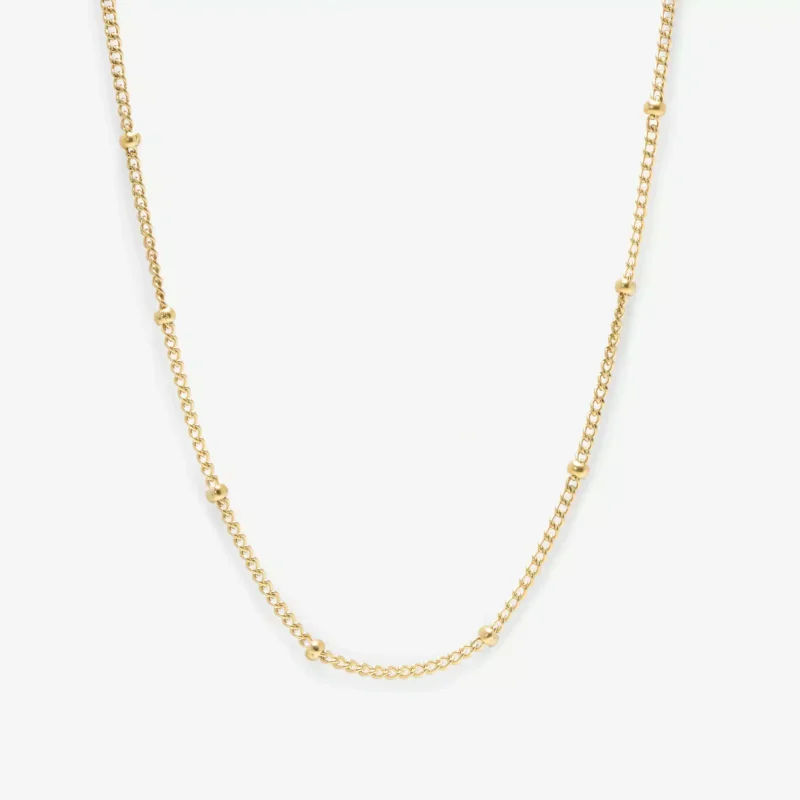
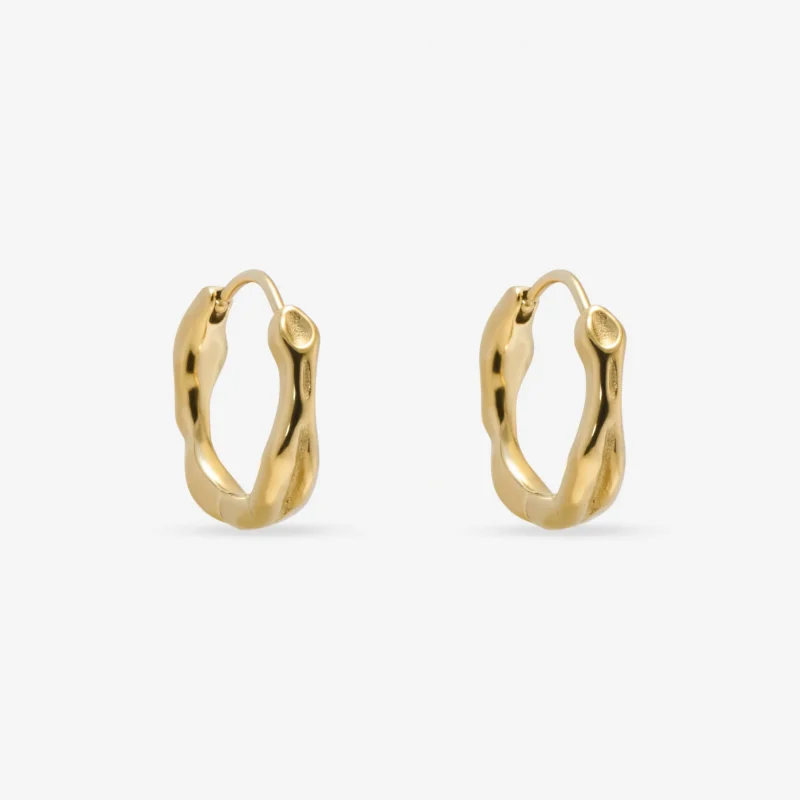
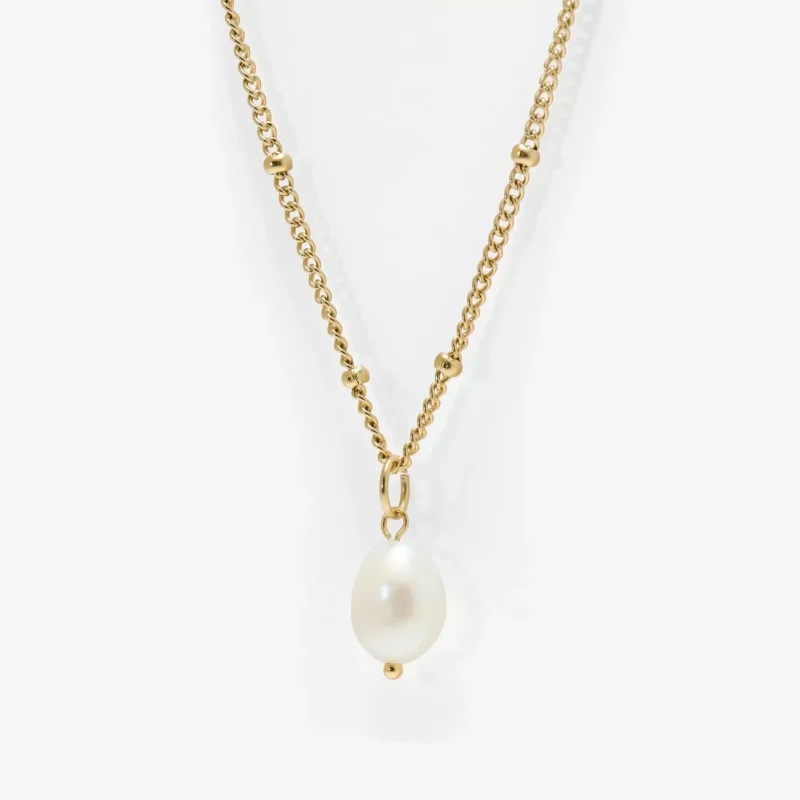
A Satellite Bead Chain suits an alternative or modern wedding, with a distinctive, contemporary line that reads as personal and sits easily within an existing collection. Molten Hoop Earrings carry the same individual character: comfortable through movement, simple to mix with more formal or more everyday pieces, and suited to the relaxed settings non-traditional weddings often involve. Both are made in a waterproof, tarnish-free material designed for everyday rewear, so a piece chosen for the day carries on into ordinary life. Choosing on personal style and durability, ahead of bridal convention, gives you jewellery that belongs to the celebration and the years after it.