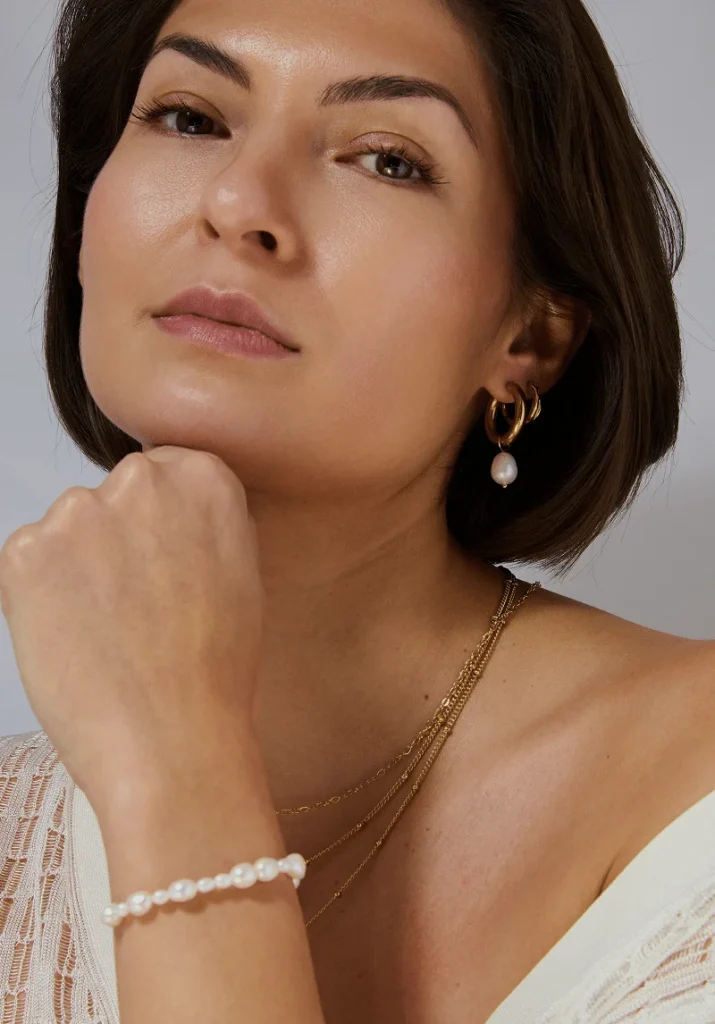


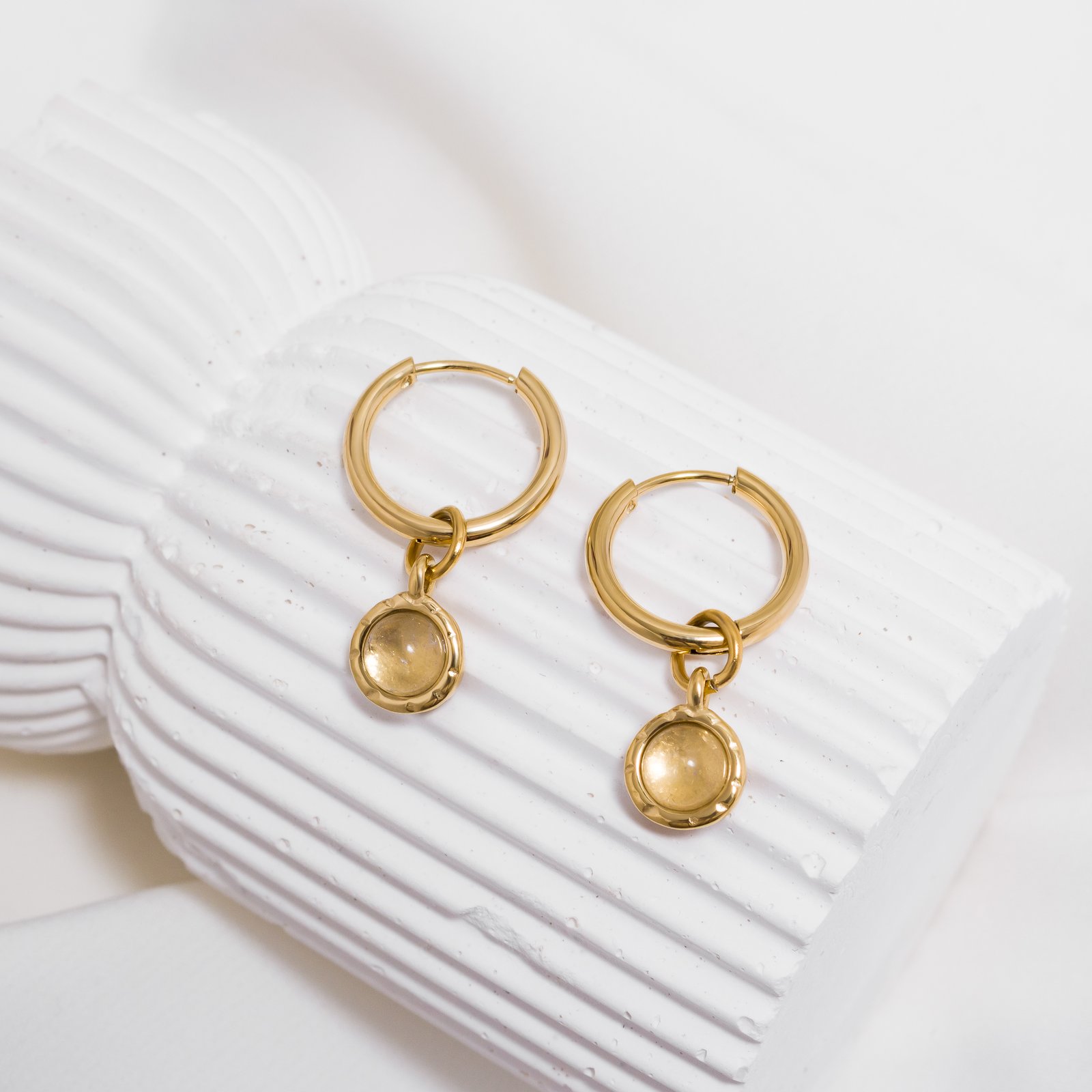
Picture yourself ten years on, turning the pages of the wedding album with someone who was not there. The dress will read as of its year, the flowers long gone, and yet the jewellery, if you chose it well, will look as right as it did on the day. That is what timeless wedding jewellery is for. It is chosen for the wearer and built on stable design principles, so it keeps feeling right long after the celebration. Favour clear form, honest materials and proportions that suit you, ahead of whatever style is current, and you end up with pieces that hold up in your photographs and your wardrobe alike. Wedding photographs last for decades, which makes the jewellery in them one of the more consequential choices to get right. The sections below explain how trends behave, what stays stable, and how to choose for the years ahead.
Why is ten years the right question to ask when choosing wedding jewellery?
Most people choose wedding jewellery by picturing the day itself, which makes sense, because the day is vivid and immediate. The framing is incomplete, though, because the day is not where the jewellery spends most of its life. It matters most in the years that follow: in whether it sits in your collection, whether you reach for it, and what it comes to mean. Asking whether you will still love a piece in ten years brings that reality forward.
A decade is long enough that real change is likely. You will have lived through different seasons, different ways of dressing, different phases of life. We tend to imagine ourselves staying constant, yet preferences shift and circumstances move. Asking the ten-year question takes some humility about the future, and it reframes what love means: from the excitement of a new piece on the day, to the steadier attachment that develops through familiarity and use.
How do you recognise trend-led bridal jewellery?
Trend-led design is built around what feels fashionable at a specific moment, which is exactly why it dates quickly and visibly. A piece that felt current a few years ago often looks distinctly of that moment now, carrying a kind of timestamp that the photographs make permanent. The difficulty is that trends feel permanent while you are inside them, so it takes some distance to see what is currently fashionable as a trend at all.
There are markers worth knowing. Trend-led pieces often rely on decorative elements added because they are fashionable, ahead of anything the form actually needs: ornate detailing, decorative scrollwork, surface complexity that serves no structural purpose. They also tend to use very specific proportions tied to current fashion, so a piece scaled to this year's look will read as odd once proportions move on. A useful exercise is to look at jewellery from ten years ago and notice what reads as dated. Usually it is the ornament and the proportion.
What design qualities stay stable across decades?
Some design choices stay legible across many decades because they rest on principles in place of fashion. A well-proportioned form reads as right over time because the proportions are not tied to a moment. Precious metal, finished cleanly, reads as right because material quality does not go out of style. A simple form made with precision reads as right because precision never becomes wrong. These qualities are what give classic bridal jewellery its staying power.
This does not mean every simple piece is interchangeable. A well-proportioned necklace in the right metal, made with precision, is a long way from a careless plain one. The stability comes from sound principles, ahead of simplicity for its own sake. A modernist piece from decades ago still looks right because it was built on principles, and a considered simple piece chosen today is likely to age the same way. The simplicity is a result of the design being complete in itself, with nothing added that ornament would only confuse.
What wears well over time, physically and emotionally?
Jewellery ages in two ways, and both matter. Physically, metals wear and finishes develop a patina, and how gracefully that happens depends on material and making. A durable, tarnish-free material that can be worn without worry stays presentable through years of regular wear, which is part of why it keeps getting reached for. Understanding how a piece will age physically is a real part of choosing for the long term.
Emotionally, pieces age based on how they relate to your changing life and taste. A piece that suited how you dressed years ago might feel out of step with who you are now. Choosing pieces flexible enough to work across those changes is the way through: a piece that works with several styles of dressing, in a metal you genuinely like, on a form that stays stable. The pieces that age best on both counts tend to be the ones worn regularly, because wear is what keeps a piece part of your life as you change.
Why choose for who you will be beyond the wedding day?
This is perhaps the most useful shift in thinking. The default is to picture yourself on the wedding day, dressed and at the centre of attention, and to choose for that version of you. That moment is singular, though, while the decade that follows holds hundreds of ordinary days. Those ordinary days are where the jewellery spends most of its time, in regular clothes and regular routines.
Choosing only for the wedding-day version of yourself tends to produce pieces that struggle in everyday life. It helps to imagine how you will dress differently, what will matter more and less, and how your priorities will move. For most people the honest answer is that daily life involves far more ordinary dressing than special occasions. Jewellery that works in daily life is jewellery that actually gets worn, so choosing for your everyday self usually serves the wedding as well.
Which pieces are most likely to still feel right a decade later?
Certain pieces have shown real staying power. A necklace in precious metal, simple in form, works across decades because it suits many styles. A pair of earrings scaled to sit close to the face, in a metal you love, works because it is not tied to a particular hair or makeup trend. A bracelet substantial enough to matter yet light enough to wear for hours, in a metal you actually like, has the same kind of longevity.
These pieces share common traits. They work with several aesthetics, they are comfortable, they are made of material that matters, and they do not depend on current proportions or decoration. Metal choice counts too: choose metals you know you will wear, ahead of metals you think you should wear. If you do not reach for a particular tone now, you are unlikely to reach for it in ten years. Non-trendy wedding jewellery chosen on these terms stays right because you wore it, because it never depended on fashion, and because it became part of your life.
FAQ
What makes wedding jewellery timeless?
Clear form, honest materials and proportions that suit the wearer, ahead of trend-led ornament. Pieces built on those qualities do not carry a timestamp, so they keep feeling right as fashion moves on.
How can I tell if a piece is trend-led?
Look for decorative detail that serves no structural purpose and proportions scaled tightly to current fashion. Comparing a piece to jewellery from ten years ago helps you see what tends to date, which is usually ornament and proportion.
Is classic bridal jewellery worth choosing if my style is modern?
Yes. Classic here means built on stable principles, which suits modern and traditional tastes alike. A clean, well-proportioned piece in a metal you love reads as current now and stays legible later.
Will I still wear my wedding jewellery in ten years?
You are far more likely to if you choose for your everyday self, ahead of the wedding day alone. Comfortable, flexible pieces in materials you genuinely like are the ones that stay in regular rotation.
Related pieces
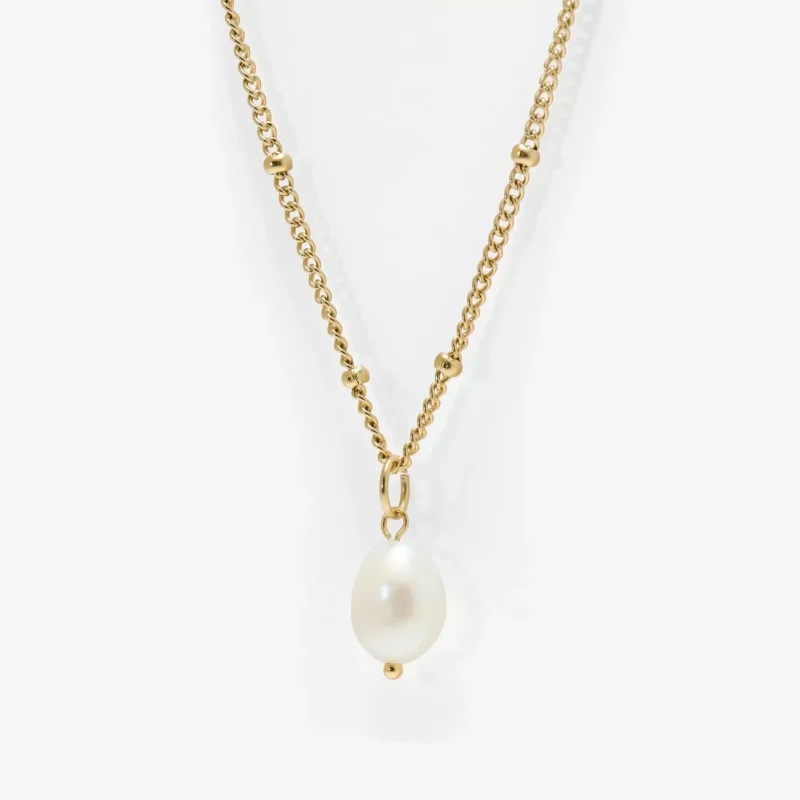
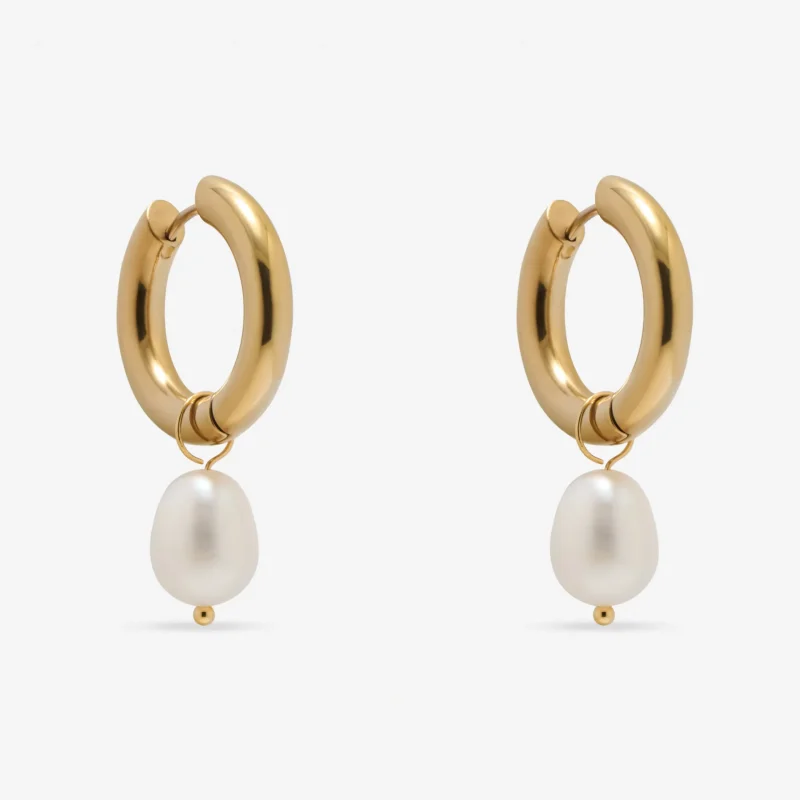
A Baroque Pearl Necklace is a good example of timeless wedding jewellery: a clear form in a material that has stayed legible across generations, which keeps it wearable well after the day. A Chunky Baroque Pearl Hoop carries a little more presence while staying built on proportion and material in place of trend, so it ages the same gradual way. Both sit in a durable, tarnish-free finish made for regular wear, which is what lets a wedding piece carry on into ordinary life. If you want to plan the choice, it helps to read how to choose wedding jewellery and how to think about life after the wedding.