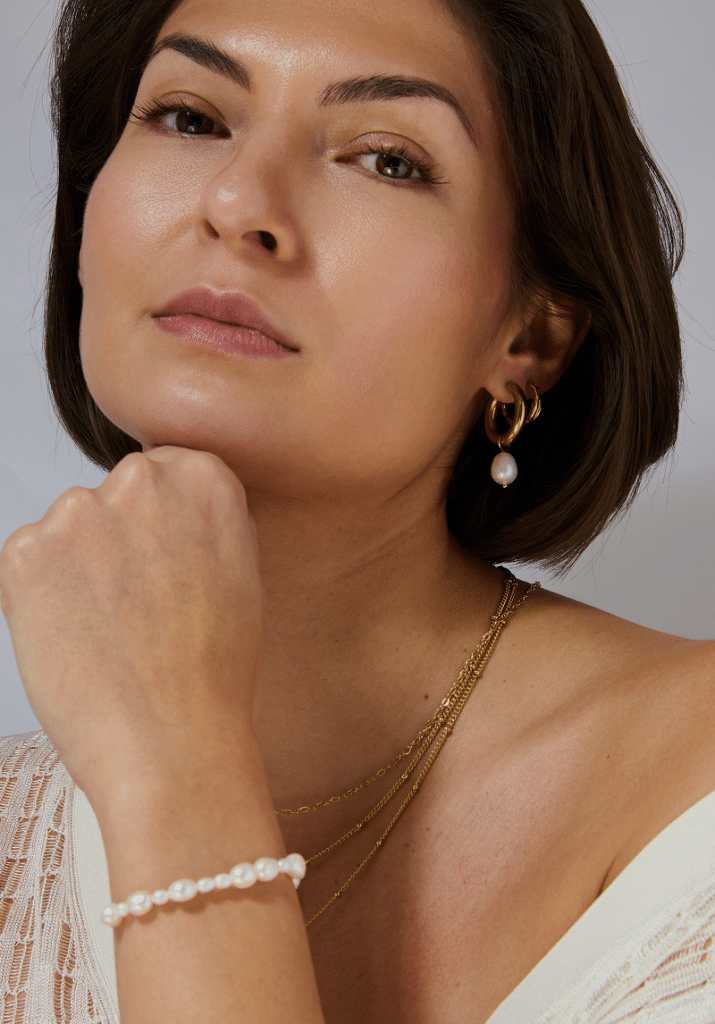


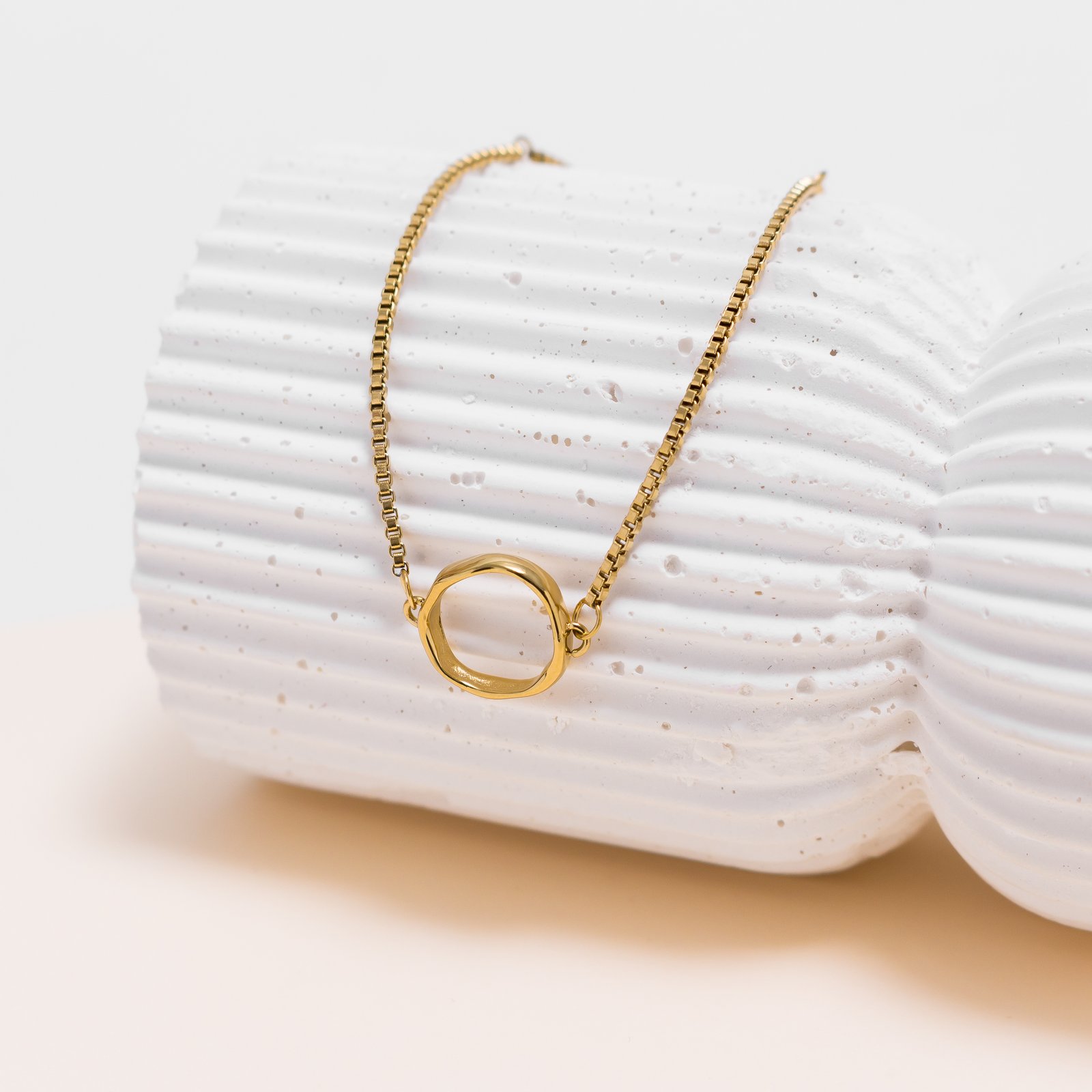
There is a particular kind of nerve it takes to give jewellery to someone whose taste you cannot quite name. You want them to love it, you want it to look like them, and you are aware that if it misses, they will know and so will you. The reassuring part is that you do not have to read their mind. To buy jewellery for someone when you do not know their style, you can choose on material, format and proportion instead of guessing at taste. Pick a metal you have seen them wear, a format they already use, and a scale that suits them, then lean towards a simple, well made piece. The risk feels large, yet it shrinks the moment you stop trying to predict style and start working from what you can actually observe.
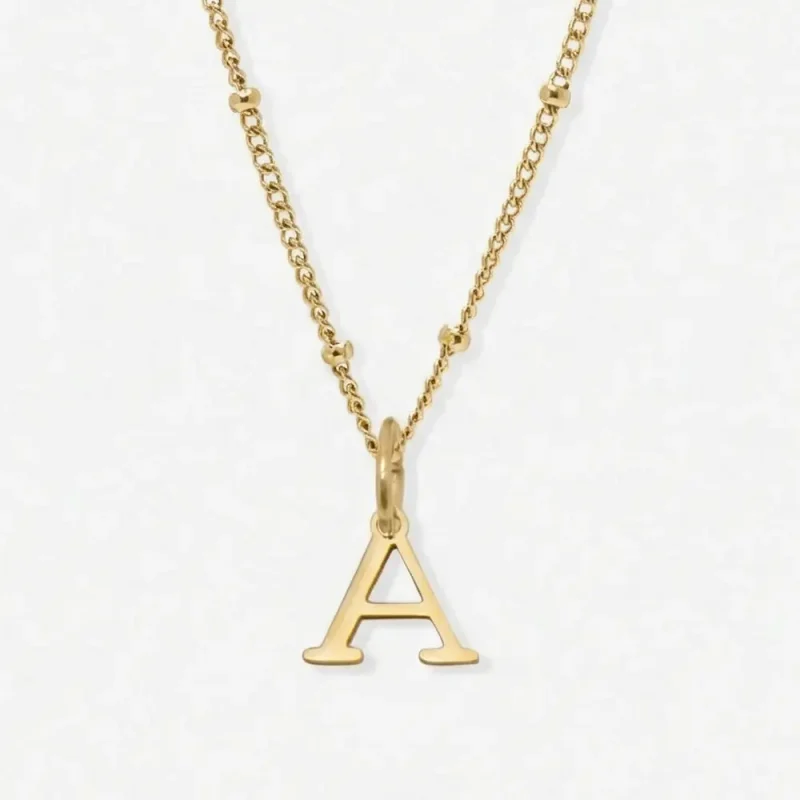
Why does buying jewellery feel so risky?
Buying jewellery feels risky because the recipient cannot quietly set it aside the way they might a book or a candle. If a piece does not feel like them, they face an awkward choice: wear something that does not fit their sense of self, store it away, or risk seeming ungrateful. Style in jewellery is visible, so a miss is visible too, every time they look in the mirror.
That same visibility points to the way through. Taste in jewellery is more predictable than it first seems. There are patterns, and there are choices that travel well across very different aesthetics. Once you can see those patterns, you can give jewellery with some confidence even to someone whose exact style you could never put into words.
What actually transfers across different tastes?
Certain qualities transfer across almost any taste: good material, clean proportions and a simple form. Someone who usually wears bold, statement pieces often still values a plain pendant they can wear daily. Someone who keeps to minimal jewellery may own one decorative piece for specific occasions. Most people hold a wider range of preferences than they would describe, with pieces for different moods and contexts, so a careful choice does not have to match their dominant look to find a place.
Material quality reads as care whatever the style. A piece in solid, properly finished material, thoughtfully proportioned, communicates respect even when the look is not exactly what the recipient would have picked. Small pieces in neutral metals with clean lines tend to suit a broad range of people, which makes them a sound default when you are buying jewellery without knowing their style.
How do you read what someone else actually likes?
The most useful information usually comes from watching what someone chooses, more than from asking what they prefer. People often describe their taste more aspirationally than accurately, while what they reach for daily is a steadier guide. The clothes they wear, the way they furnish their home, the pieces already in their jewellery box: these add up to a coherent aesthetic, even when the person has never put it into words. A thoughtful gift giver treats those choices as quiet evidence.
Choosing well for someone else is a form of stepping into their shoes, setting aside what you find beautiful to ask what they would actually wear. People tend to value a gift most when it feels thoughtful, when they sense they were specifically considered, and that feeling outweighs price more often than we expect. A well observed piece at a modest price is usually received more warmly than a costlier one chosen without that attention. The skill improves with practice: notice what draws someone's eye and what they pass over, and the pattern of their attention becomes a reliable map of their taste.
How do you use metal and format as a guide?
Metal and format are the most reliable guides when style is uncertain. If you know someone wears silver, or gold, that is a concrete decision already made: you are choosing something they have signalled they like against their skin. Format works the same way. If they wear necklaces regularly, a necklace is more likely to be worn than a bracelet, however lovely the bracelet. If they wear earrings often, earrings are the safer call.
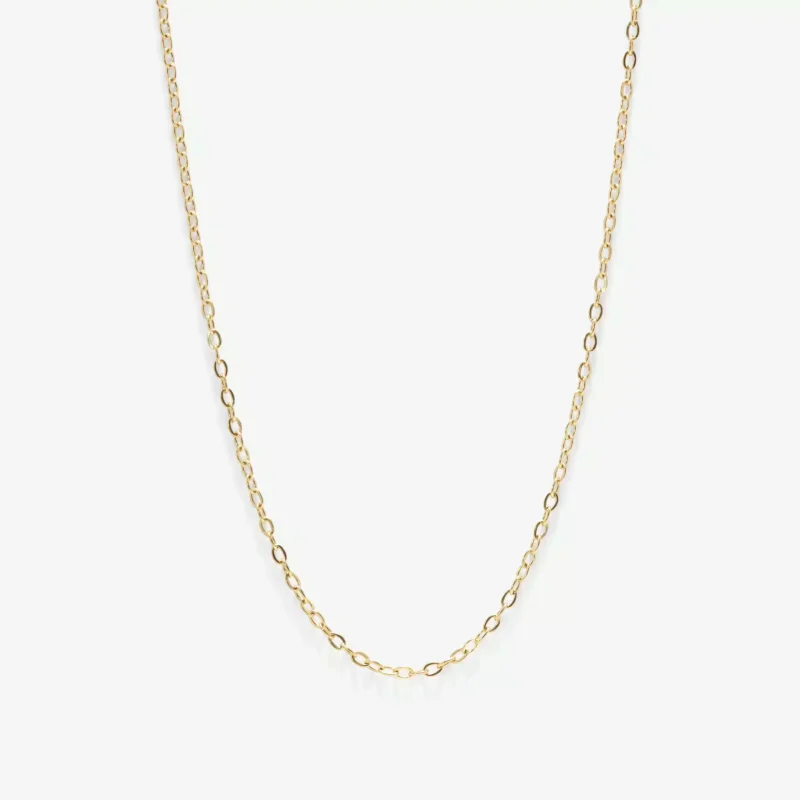
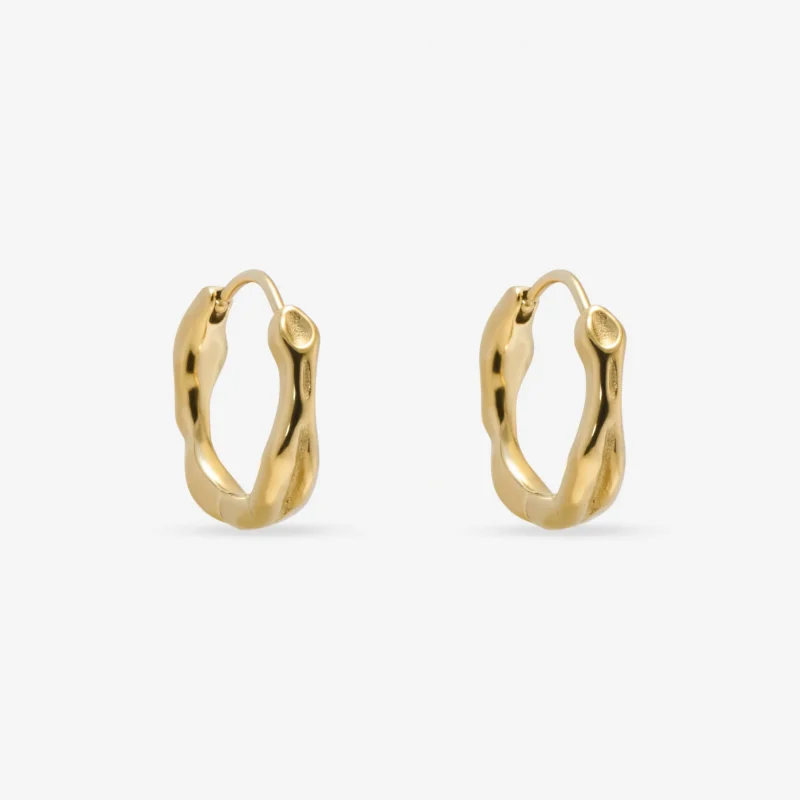
Practical details narrow it further without needing deep knowledge of taste. Size and weight matter for daily comfort. Someone with sensitive skin may struggle with certain materials, which is where hypoallergenic, tarnish free pieces help. Someone active, or who works with their hands, tends to want secure, hard wearing jewellery. Thinking about the recipient's actual life, their work, their habits, the clothes they wear, points to choices that work in practice before style even enters the question. A fine Dainty Chain or a simple pair of Molten Hoop Earrings covers a lot of ground here.
What should you avoid when you are unsure?
When taste is uncertain, a few categories are worth approaching with caution. Highly decorative pieces ask the recipient to share your aesthetic and need specific outfits to work, so they suit people who already gravitate to decoration and sit awkwardly with those who do not. Pieces with strong style associations carry a similar risk: heavily vintage inspired jewellery delights people who like vintage and can feel like a costume to those who do not.
Pieces that demand maintenance are worth thinking through, since they ask the recipient to commit to polishing, careful storage or special cleaning. Very delicate or precious looking pieces also carry risk, because a recipient who does not usually wear such things may be too worried about loss or damage to wear them at all. A piece someone can wear without fear is far more likely to become part of their actual life, which is the real measure of a gift that works.
Should you ask, or trust your own judgement?
Asking is a legitimate way to gather information, and far from a failure. For people very close to the recipient, asking a trusted friend, partner or parent is often the most practical path to a good choice. Direct questions have limits, though. Asking the recipient outright removes the attentiveness that makes a gift feel personal, and asking someone else risks an inaccurate read of their taste. Some people simply dislike being asked, experiencing it as a smaller gesture.
There are moments to trust your own observation instead. If you have spent time around the recipient, you already hold useful information: the metals they wear, the formats they choose, the colours and textures they return to. These observations often produce better results than a direct question. Whether to ask or to trust your judgement usually depends on how close you are and how much rides on the choice. When you have genuinely paid attention, your own read is frequently the stronger guide. For the harder cases, the approach to buying for people who seem to have everything follows the same logic.
It also helps to remember that a piece can feel deeply personal without being engraved at all. A choice that clearly reflects how someone actually dresses carries its own form of personalisation, built into the selection itself, well before any inscription is added at the till. When a recipient senses that a piece fits them in a way that required knowing them, that recognition is the personal touch, and no inscription can add it after the fact.
FAQ
What jewellery should I buy someone if I have no idea what they like?
Choose a simple piece in a neutral metal and a format they already wear, such as a fine chain or small hoops. Clean, well made pieces suit the widest range of tastes and carry the least risk.
How do I know which metal to choose?
Look at what they already wear. Consistent silver or gold tells you which metal they like against their skin, which removes much of the guesswork from buying jewellery for someone else.
Is it bad to ask what they want?
Not at all. Asking a person close to them is often the most reliable way to choose well. The main trade off is that asking the recipient directly can reduce the sense of surprise and attentiveness.
What jewellery is safest for sensitive skin?
Hypoallergenic, tarnish free materials are the safest choice when you are unsure, since they avoid the reactions that cheaper alloys can cause and stay wearable every day.
Should I avoid statement pieces as a gift?
Statement pieces work for people who already wear them, though they carry more risk when you do not know the recipient's style. A simpler piece is more likely to be worn often.
Related pieces
A Dainty Chain is a dependable choice when you are unsure, since a fine, simple necklace in a tarnish free metal suits most tastes and layers easily with whatever the recipient already wears. Molten Hoop Earrings offer the same flexibility for anyone who wears earrings regularly, working across casual and dressed up looks without demanding a specific outfit. Both keep the focus on comfort and everyday wearability, which is what turns an uncertain choice into a piece someone keeps reaching for.