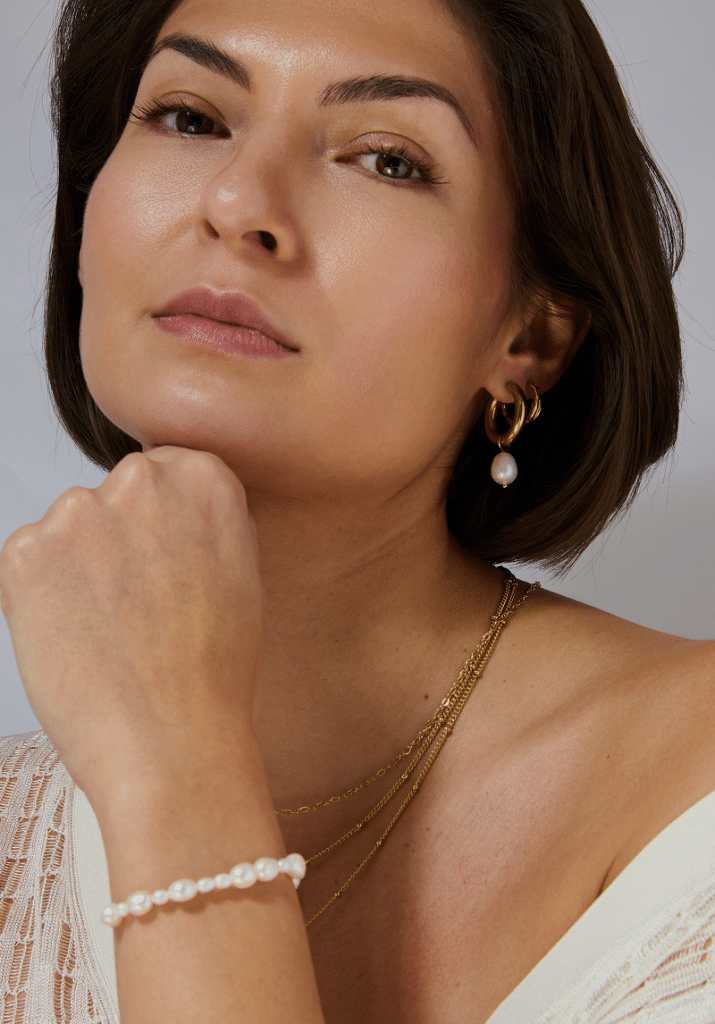


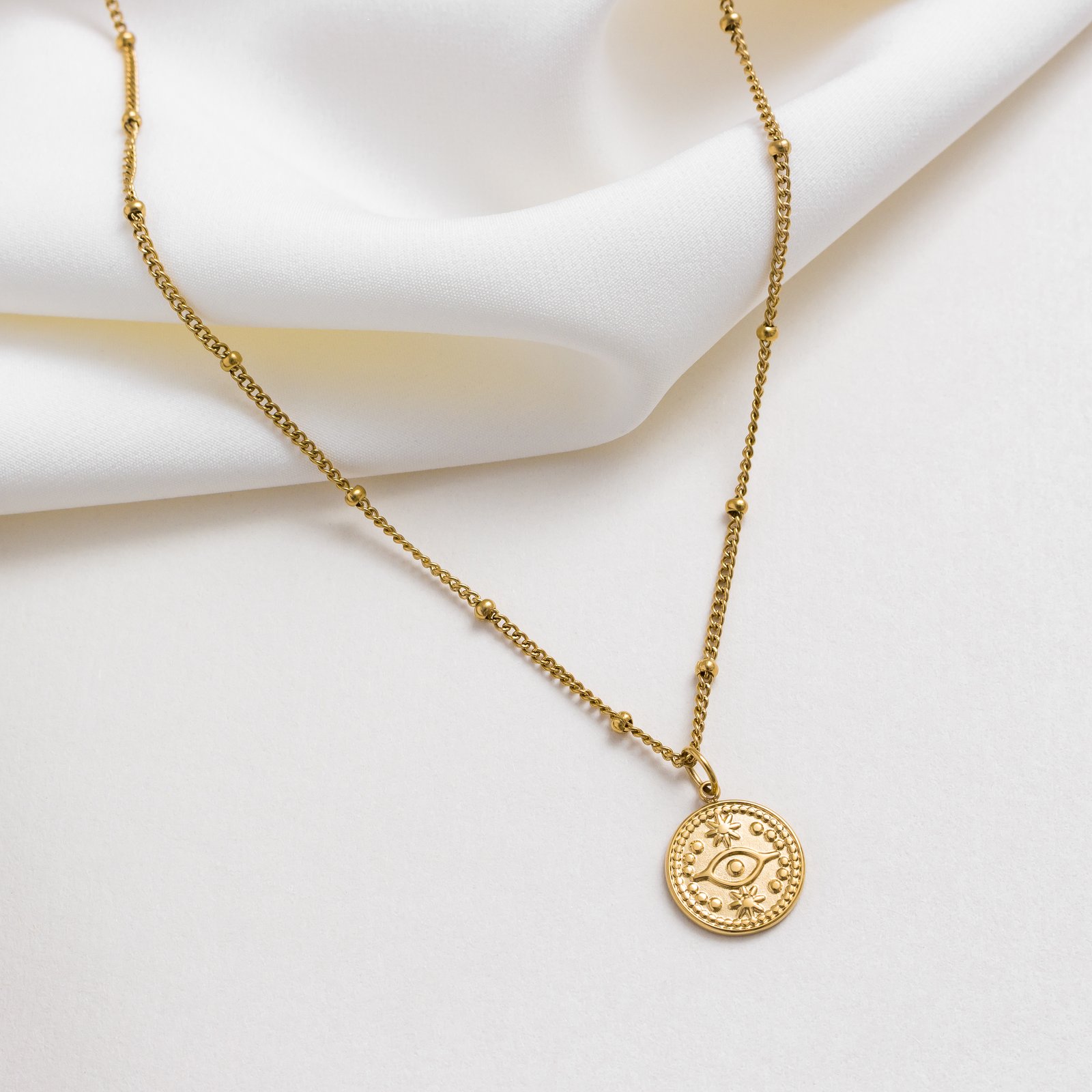
Some people are genuinely lovely to know and impossible to shop for, because they already own everything they could want and buy themselves anything they fancy. A jewellery gift for someone who has everything works precisely because what it offers is not mainly material. It is evidence of attention, of knowing the person, of a choice made specifically for them. When the usual gap between what someone has and what they want disappears, the piece that lands is the one that quietly says they have been seen.
Why is it so hard to buy for someone who has everything?
It is hard because standard gift logic depends on a gap between what a person has and what they might want, and when that gap closes, the logic stops working. The person seems to want for nothing, and any material addition risks feeling redundant, which is how most people end up defaulting to something generic.
This is a familiar problem of comfortable lives. When many people already own the obvious gifts, the question shifts. It stops being what do they need and becomes something harder: what would mean something to them that they would not simply buy for themselves. That second question is the one worth answering, and jewellery answers it unusually well, because its value to the wearer has always come from association as much as from material.
Why does jewellery still work as a gift for the person who has everything?
Jewellery keeps its gift value because the gift is not principally the object. A person may own several bracelets. They do not own this particular bracelet, given by this person, at this moment, for reasons connected to this relationship. The material properties do not decide the significance. Where it came from does.
This is the difference between owning and owning this. A person can buy themselves any necklace they like, yet they cannot buy themselves the meaning that comes from receiving a piece chosen specifically for them by someone who knows them. For people with plenty, that non-material part becomes more important. The things money can simply buy are easily got. The things that require knowledge of a particular person, their taste, what they find beautiful, are harder to come by. A piece that clearly reflects both aesthetic knowledge and genuine consideration offers exactly the thing material abundance leaves out. The harder a person is to surprise, the more a gift turns into a small test of how well you have been paying attention, and a piece chosen well quietly passes that test.
What makes a hard to buy for gift jewellery choice land?
Specificity makes it land. Generic gifts feel flat whatever they cost, and for someone who could buy whatever they wished, a piece that reflects only general taste carries little weight. What registers is the sense that the piece was chosen because of something particular about them, something the giver noticed or understood.
That specificity can come from many places. It may be a material they have mentioned admiring, a style that fits their existing look in a way the giver clocked through simple attention, or a piece that connects to a shared memory or a moment in the relationship's history. It does not need explaining. A recipient with enough history with the giver will read it plainly, and that act of reading is part of what makes the gift feel personal. The recipient does the interpreting themselves, and a meaning worked out for yourself, more than spelled out, tends to stay with you. A specific detail also closes off the flat, could-have-gone-to-anyone quality that makes so many gifts to this kind of recipient fall away unremembered. This is the same skill as choosing jewellery without knowing someone's style: start from observation, more than assumption.
Why does a meaningful gift matter more when material need is gone?
Because what such a gift offers is exactly the thing material abundance cannot supply: the sense of being known. When a recipient feels a gift reflects genuine knowledge of who they are, the gift tends to mean far more than its price suggests, and that effect seems stronger, not weaker, among people who are not relying on gifts to meet any need. There is also a kind of relief in receiving something you would never have thought to buy yourself, a reminder that another person has been holding a picture of you in their mind and acting on it.
A gift carries a social function that plain purchase cannot replicate. In choosing it, the giver makes a quiet claim about who the recipient is and what they value. When someone buys a thing for themselves, the transaction is simple. When they receive a gift, they receive the object and the evidence of another person's thought. For someone who has everything, that evidence is the whole point. The object becomes secondary to what the act of choosing it reveals: that the giver paid attention, understood something specific, and chose this over something easier.
How do you choose a jewellery gift for someone who has everything?
Begin with the person, more than the occasion or the product category. The question is no longer about what they lack. It becomes about what reflects something true about who they are. Jewellery suits that question because it is inherently personal in how it relates to appearance, identity and daily life.
A carefully chosen pair of earrings or a necklace selected with real knowledge of their taste sits alongside everything they already own as something different: a physical record of being seen and considered. That is something material completeness, by its nature, cannot already supply, which is why a well-judged piece can stand out even among a great deal a person already owns. It helps to lean towards pieces they would actually wear, in durable, tarnish-free, hypoallergenic materials that take no looking after, so the gift becomes part of daily life in place of another object in a drawer. The same instinct guides choosing any meaningful jewellery gift: thought first, object second.
FAQ
What do you buy someone who has everything? Something that offers what they cannot buy for themselves: evidence of being known. A piece chosen for a specific detail of their taste or a shared memory carries meaning that material abundance cannot supply.
Why does jewellery work for someone who is hard to buy for? Because the gift is the choice as much as the object. A person can buy any necklace, but not the meaning of receiving one chosen specifically for them by someone who knows them well.
Does the gift have to be expensive to impress someone with everything? No. For someone with plenty, specificity matters more than price. A modest piece that clearly reflects knowledge of them lands better than a costly one chosen by convention.
How do I make hard to buy for gift jewellery feel personal? Choose from something particular you have noticed: a material they admire, a style that fits their look, or a piece tied to a shared moment. The specific detail does the work, and it does not need explaining.
What kind of jewellery suits someone who has everything? An everyday-wearable piece in their taste, made in durable, low-maintenance materials. A piece they can wear without fuss becomes part of daily life, which keeps its meaning present in place of boxed away.
Related pieces
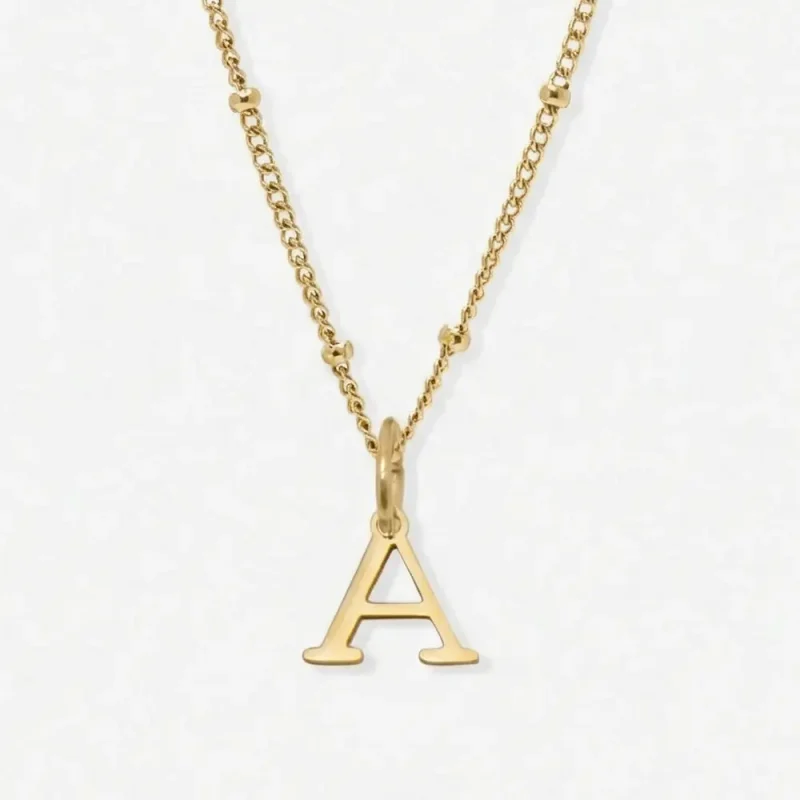
An Alphabet Necklace turns a gift into something only they could receive, an initial of their own or of someone who matters to them, in a clean form that suits daily wear. A Baroque Pearl Jewellery Set suits someone who has plenty but appreciates individuality, since no two baroque pearls are quite alike, giving the piece a character that cannot be duplicated. Both are made in recycled stainless steel with a 14k gold PVD coating, so they are waterproof, tarnish-free and hypoallergenic, ready to be worn every day and lived in.