

We have all done the maths in our heads at the till, weighing up whether a piece is worth it. The trouble is that the price tag only tells you half the story. The piece you wear every day for two years and the one that sits in a drawer cost wildly different amounts in practice, even at the same price.
Cost per wear is the quiet sum that reveals which is which. For jewellery, cost per wear means the price of a piece divided by the number of times you actually wear it, and it often shows that a durable everyday piece is far better value than its sticker price first suggests. Once you start thinking this way, your buying decisions tend to get both cheaper and more satisfying.
What does cost per wear mean?
Cost per wear is a way of measuring value by how much use you get from something. You take the price you paid and divide it by the number of times you wear the piece. A necklace bought for sixty pounds and worn three times a week works out at a small fraction of a penny per wear within a year.
It is the same idea people apply to a good coat or a pair of boots. A higher price spread across years of regular use can be excellent value, while a cheap piece worn twice and abandoned is expensive for what it gave you. The number on the label is the start of the calculation, not the end of it.
How to work out cost per wear
The formula is simple: cost per wear equals the price divided by the number of wears. A forty-pound bracelet worn roughly two hundred times a year comes to about twenty pence per wear in the first year, and keeps falling the longer you own it.
You do not need to track every wear precisely. A rough estimate is enough to compare two pieces honestly. Ask yourself how often you would realistically reach for something, then divide. A piece you would wear most days almost always wins against an occasional piece at the same price, even when the occasional one looks like the bigger treat.
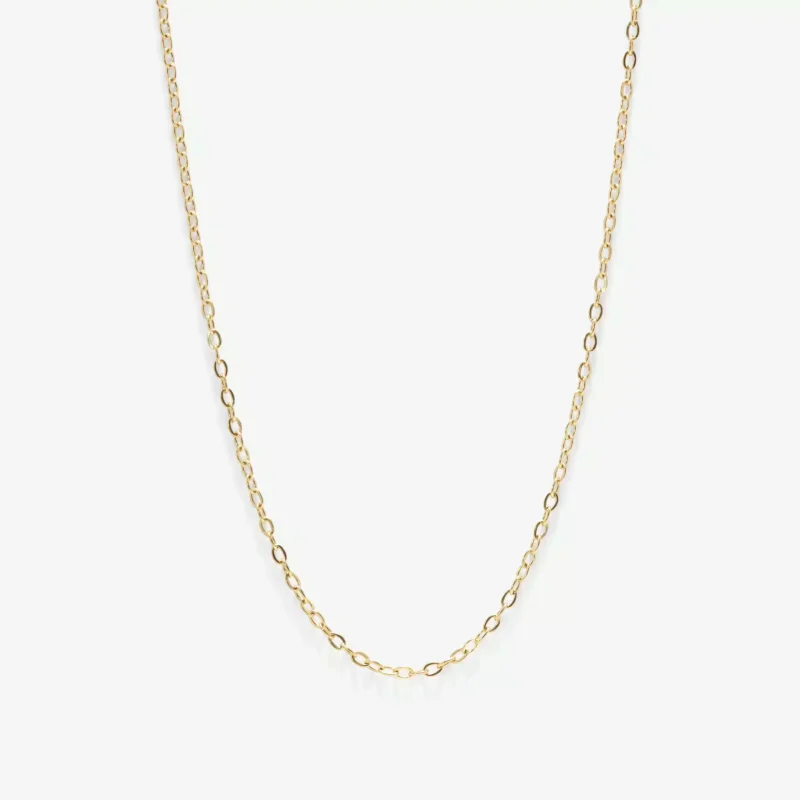
A worked comparison makes it clear. Picture two thirty-pound pieces. The first is a simple chain you wear five days a week, around two hundred and fifty times a year, which lands at roughly twelve pence per wear. The second is a statement piece for events that comes out six times a year, at five pounds per wear. Same price, wildly different value, and the difference only shows once you do the sum.
Why durability is the deciding factor
Cost per wear only works in your favour if a piece survives the wearing. A necklace that tarnishes, snaps or loses its colour after a few months caps the number of wears you can get, which keeps the cost per wear stubbornly high however little you paid.
This is where materials earn their place. Pieces built to be worn daily, such as recycled stainless steel with a PVD finish, hold up to showers, workouts and constant handling, so the wear count keeps climbing. A piece that lasts years quietly drives its own cost per wear down towards almost nothing.
Comfort feeds the same loop. A piece that pinches, snags or feels heavy gets worn less, which keeps its cost per wear high however well made it is. The pieces with the lowest cost per wear tend to be the ones you forget you have on, because forgetting them is what keeps them in daily rotation for years.
Why cheap jewellery often costs more over time
A low price feels like the safe choice, yet inexpensive pieces are frequently the ones that need replacing. Thin plating wears through, clasps fail, and colour fades, so you buy the same thing two or three times over. Add those repeat purchases up and the cheap option often costs more than one well-made piece would have.
There is a hidden cost beyond money, too. Pieces that mark your skin or feel disappointing tend to get left in a drawer, which sends their cost per wear soaring because the wear count barely moves. Spending a little more on something you will actually keep reaching for is usually the better deal.
Is expensive jewellery always better value?
A high price does not guarantee good value any more than a low one guarantees poor value. An expensive piece you rarely wear can have a worse cost per wear than a modest piece you live in. What matters is the match between price, quality and how often a piece fits your real life.
The sweet spot is a piece that is well made, comfortable enough to forget you are wearing, and suited to your everyday clothes. That combination keeps the wear count high and the materials sound, which is what drives genuine value over the years.
How to buy with cost per wear in mind
Before buying, ask two questions: how often will I genuinely wear this, and will it survive that much wear? A piece that scores well on both is usually worth a little more upfront. Favour versatile designs that go with most of your wardrobe over statement pieces tied to one outfit.
Then weigh price against materials and finish. A clear description of solid materials and a durable coating points to a piece that will keep earning its place. Thought of this way, the everyday pieces you barely take off tend to be the best value in your collection, even when they were not the cheapest at the till.
There is a wider benefit to buying this way, too. A smaller collection of well-chosen pieces you actually wear tends to cost less over a few years than a drawer full of cheap pieces bought on impulse and quickly tired of. Cost per wear nudges you towards fewer, better decisions, which is easier on your money and on the planet, since durable pieces are replaced far less often.
Frequently asked questions
What is cost per wear?
Cost per wear is the price of an item divided by the number of times you wear it. For jewellery, it shows the real value of a piece, since something worn daily for years costs very little per wear.
How do you calculate cost per wear for jewellery?
Divide the price you paid by the number of times you expect to wear the piece. A forty-pound bracelet worn two hundred times a year works out at about twenty pence per wear in the first year, and less after that.
Is expensive jewellery worth it?
It can be, if the piece is well made and you wear it often, because the cost per wear falls over time. An expensive piece you rarely wear is poorer value than a modest one you wear every day.
Why does cheap jewellery cost more over time?
Cheap pieces often need replacing as plating wears through, clasps fail or colour fades. Buying the same thing repeatedly can cost more than one durable piece, and keeps the cost per wear high.
What makes jewellery good value?
A piece that is well made, comfortable, versatile and durable enough to wear daily. Sound materials and a hard-wearing finish keep the wear count climbing, which is what drives a low cost per wear.
Related pieces
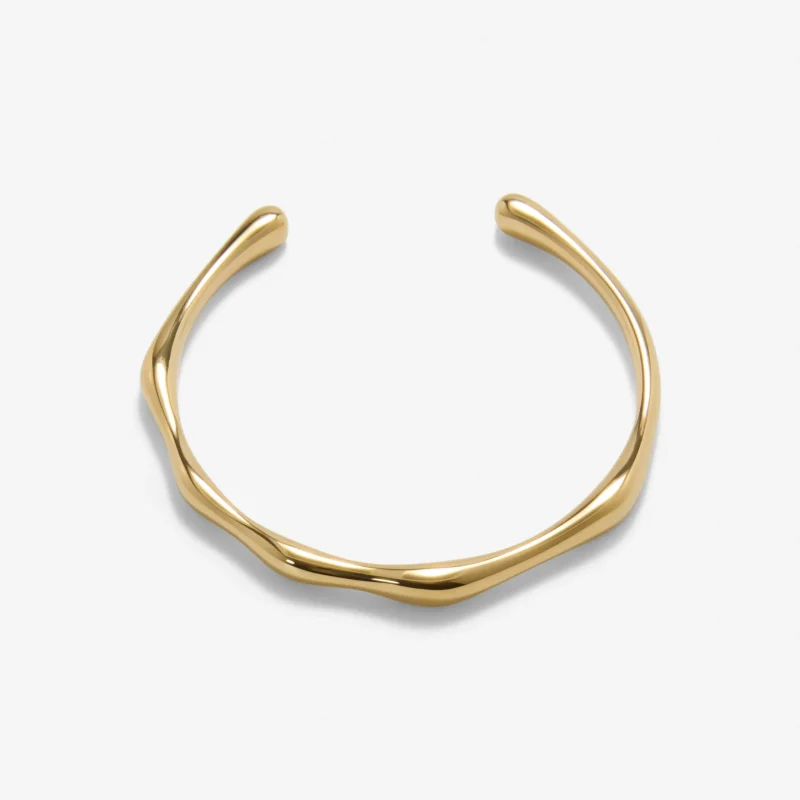
If you are buying with cost per wear in mind, the best sellers are designed for exactly this kind of everyday use, made from recycled stainless steel with a 14k gold PVD finish that holds its colour through daily wear. A piece like the Molten Bangle, worn most days, is the sort that quietly becomes the best value in a collection over the years.