


You reach for a favourite silver chain before heading out, and it has lost its glow. There is a dull, slightly grey film where there used to be light. It happens to almost everyone who owns silver, and the good news is that it is easy to put right.
Knowing how to clean silver jewellery at home takes a soft polishing cloth or a gentle baking soda paste, a few minutes, and a careful dry. Sterling silver is 92.5 per cent silver, and it tarnishes over time as the metal reacts with the air and with traces of moisture on the skin. That tarnish is surface deep, so with the right method the brightness comes straight back.
Why does silver jewellery tarnish in the first place?
Silver tarnishes because it reacts slowly with sulphur compounds in the air, along with moisture, perfume and the natural oils on your skin. The reaction leaves a thin darkened layer on the surface, which is what gives tarnished silver that grey or yellowish cast.
Sterling silver, the most common type used in jewellery, is 92.5 per cent pure silver mixed with other metals for strength. The mix is part of why it can darken over time, and it is completely normal. Pieces you wear often tend to stay brighter, because the gentle friction of daily wear keeps the surface clean, while pieces left sitting in a drawer are the ones that usually need attention.
A few everyday things speed it up. Humidity in a bathroom, the sulphur in some foods and cosmetics, swimming pools, and even certain household cleaners all give silver more to react with. That is why a chain worn through a summer of suncream and sea air often dulls faster than one kept for special occasions. None of this damages the metal underneath, so a tarnished piece is simply a piece waiting for a quick clean.
How do you clean silver jewellery with a polishing cloth?
A dedicated silver polishing cloth is the simplest method, and it is the one to try first. These cloths are treated with a mild cleaning agent that lifts tarnish as you rub. Hold the piece gently and buff along the surface in straight strokes, turning the cloth as it picks up the grey.
Work slowly around any detail or links, and avoid scrubbing too hard on plated or set pieces. A cloth is ideal for chains, pendants and earrings you wear regularly, because a quick buff every week or two stops tarnish building up at all. Keep the cloth in your jewellery box so it is always to hand.
A simple way to think about it is little and often. A quick wipe with a polishing cloth when you take a piece off keeps tarnish from ever settling in, which means you rarely have to reach for anything stronger. Heavy tarnish is usually the result of a piece sitting unworn and unwiped for months, so the habit you build matters more than any single deep clean.
It also helps to clean silver in a well-lit spot so you can see the tarnish lifting and stop as soon as the shine returns. There is no need to keep going once a piece looks bright, and over-polishing delicate links does more harm than good.
How do you clean silver with a baking soda paste?
For tarnish a cloth cannot shift, a gentle baking soda paste works well. Mix a small amount of baking soda with a little water until you have a soft paste, then apply it to the silver with your fingertip or a soft cloth. Rub gently along the surface, rinse the piece thoroughly with clean water, and dry it completely with a soft towel.
Drying matters as much as the cleaning, because leftover moisture is one of the things that brings tarnish back. Use the paste sparingly and with a light touch, since baking soda is mildly abrasive. For delicate chains or anything with stones, a polishing cloth is the safer choice.
How often should you clean silver jewellery?
For pieces you wear most days, a light buff with a polishing cloth every week or two is usually enough to keep them bright. Pieces you wear less often benefit from a quick clean before you put them away, so they are ready the next time you reach for them, with no layer of tarnish to deal with first.
A simple routine keeps the job small. Wipe a piece down when you take it off, store it somewhere dry, and you will rarely face heavy tarnish at all. The longer silver sits unworn and unwiped, the more cleaning it eventually asks for.
If a piece is very tarnished or has detailed settings and stones you are unsure about, a jeweller can clean it safely for you. For most everyday chains and earrings, though, the home methods above are all you need, and doing a little each week saves the bigger jobs entirely.
How do you stop silver tarnishing so quickly?
Keeping silver dry and stored well does most of the work. Take pieces off before showering, swimming or exercising, and put perfume, lotion and hairspray on first, then your jewellery. Each of those reduces the moisture and chemicals that speed up tarnish.
Storage is the other half. Keep silver in a dry place, ideally in a soft pouch or a lined box, and store pieces separately so they do not rub or scratch each other. An anti-tarnish strip tucked into the box helps absorb the compounds that cause darkening. If you would rather skip the upkeep altogether, jewellery made from PVD-coated stainless steel holds its colour for far longer with no polishing at all.
What should you avoid when cleaning silver?
A few common shortcuts cause more harm than good. Toothpaste and harsh scouring powders are too abrasive for silver and leave fine scratches that dull the surface over time, so it is best to leave them out of your routine. Hard scrubbing has the same effect, especially on softer detailing and on plated pieces where the finish is thin.
Be careful around stones and pearls too. Pearls and many soft or porous stones do not like baking soda or prolonged soaking, so wipe those pieces with a barely damp cloth and keep cleaning agents to the metal alone. When in doubt, a dry polishing cloth is the gentlest option and will never strip a finish. Rinsing thoroughly and drying completely after any wet method is the final step that keeps water marks and fresh tarnish from forming.
Frequently asked questions
How do you clean silver jewellery at home? Buff it with a silver polishing cloth, or use a gentle paste of baking soda and water, then rinse and dry the piece completely. A cloth is best for everyday upkeep and delicate chains.
Is baking soda safe for cleaning silver? Yes, used gently and sparingly. Make a soft paste with a little water, rub lightly, then rinse and dry. Because it is mildly abrasive, use a polishing cloth instead on very delicate or stone-set pieces.
Why does my silver jewellery turn black? Silver reacts with sulphur in the air and with moisture, perfume and skin oils, leaving a dark surface layer. It is normal for sterling silver, which is 92.5 per cent silver, and it cleans off easily.
Can you clean silver with toothpaste? Many household guides suggest it, but toothpaste can be too abrasive and scratch the surface, so a proper silver cloth or a gentle baking soda paste is kinder to your pieces.
How do I keep silver from tarnishing? Keep it dry, apply perfume and lotion before putting it on, and store pieces separately in a dry pouch or box, ideally with an anti-tarnish strip.
Does wearing silver every day keep it shinier? Often, yes. The gentle friction of regular wear helps keep the surface clean, so pieces you wear daily usually tarnish more slowly than those left sitting in a drawer for months.
Related pieces
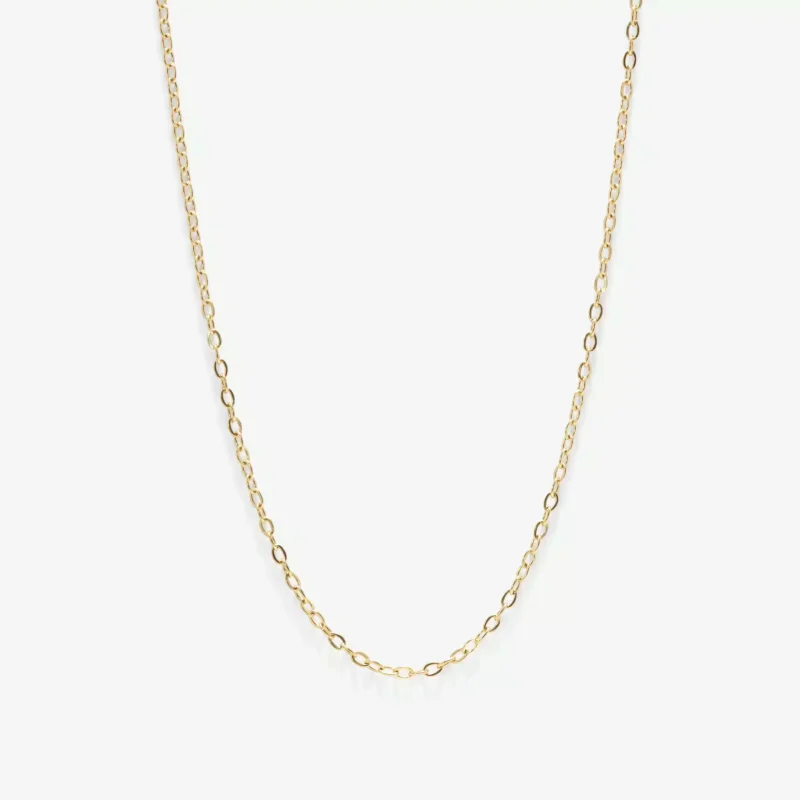
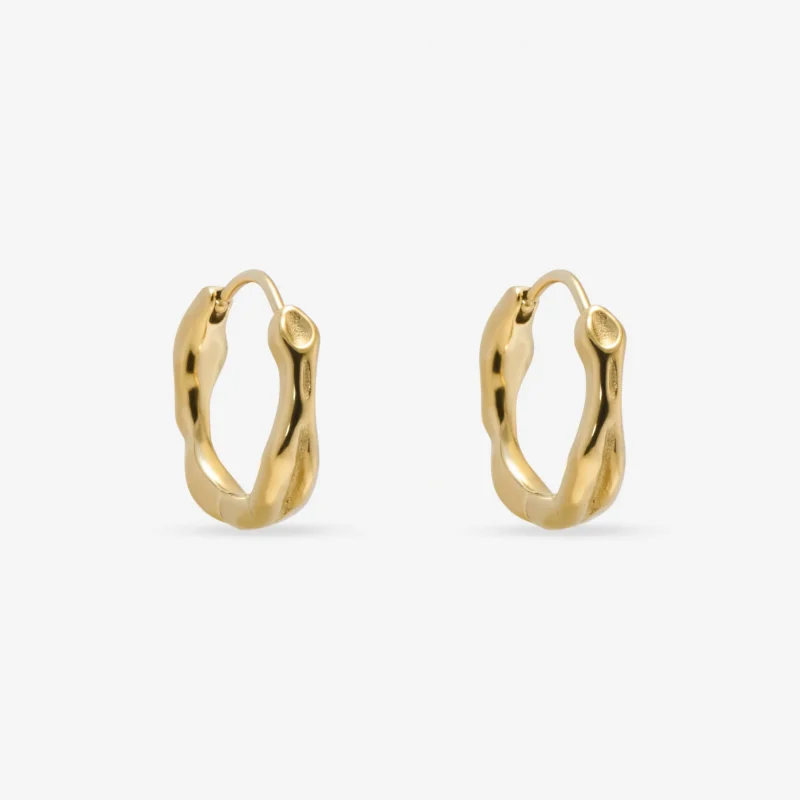
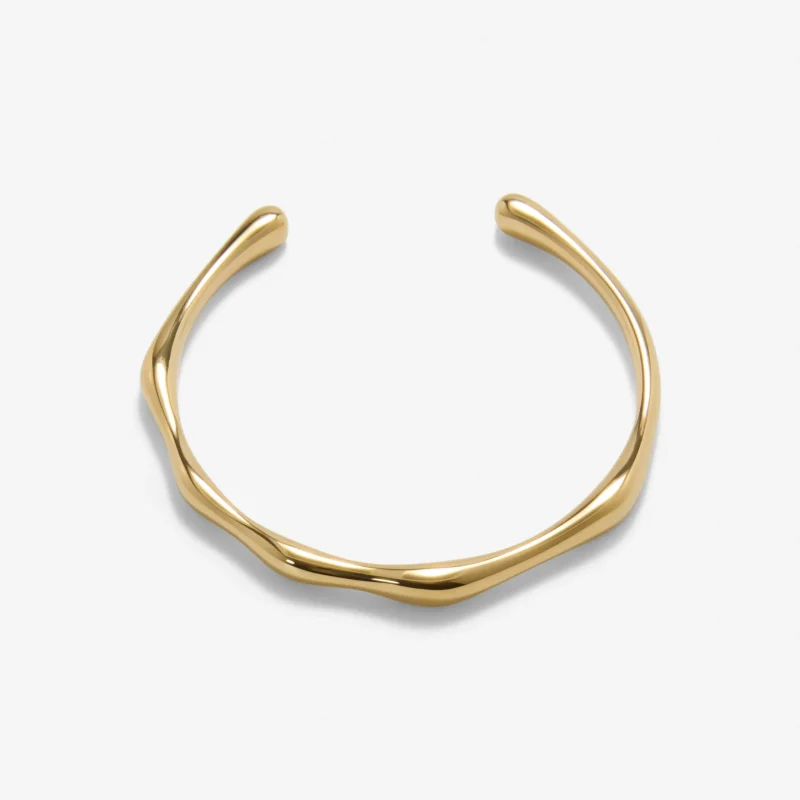
If you love the look of a fine silver chain but would rather skip the polishing, our everyday pieces are made to stay bright with almost no effort. The Dainty Chain gives you that delicate, wear-it-with-everything feel, and our best sellers cover the styles people reach for again and again. All are made in waterproof, tarnish-free 14k gold PVD over recycled stainless steel, so they hold their finish through daily wear, water and sweat.