


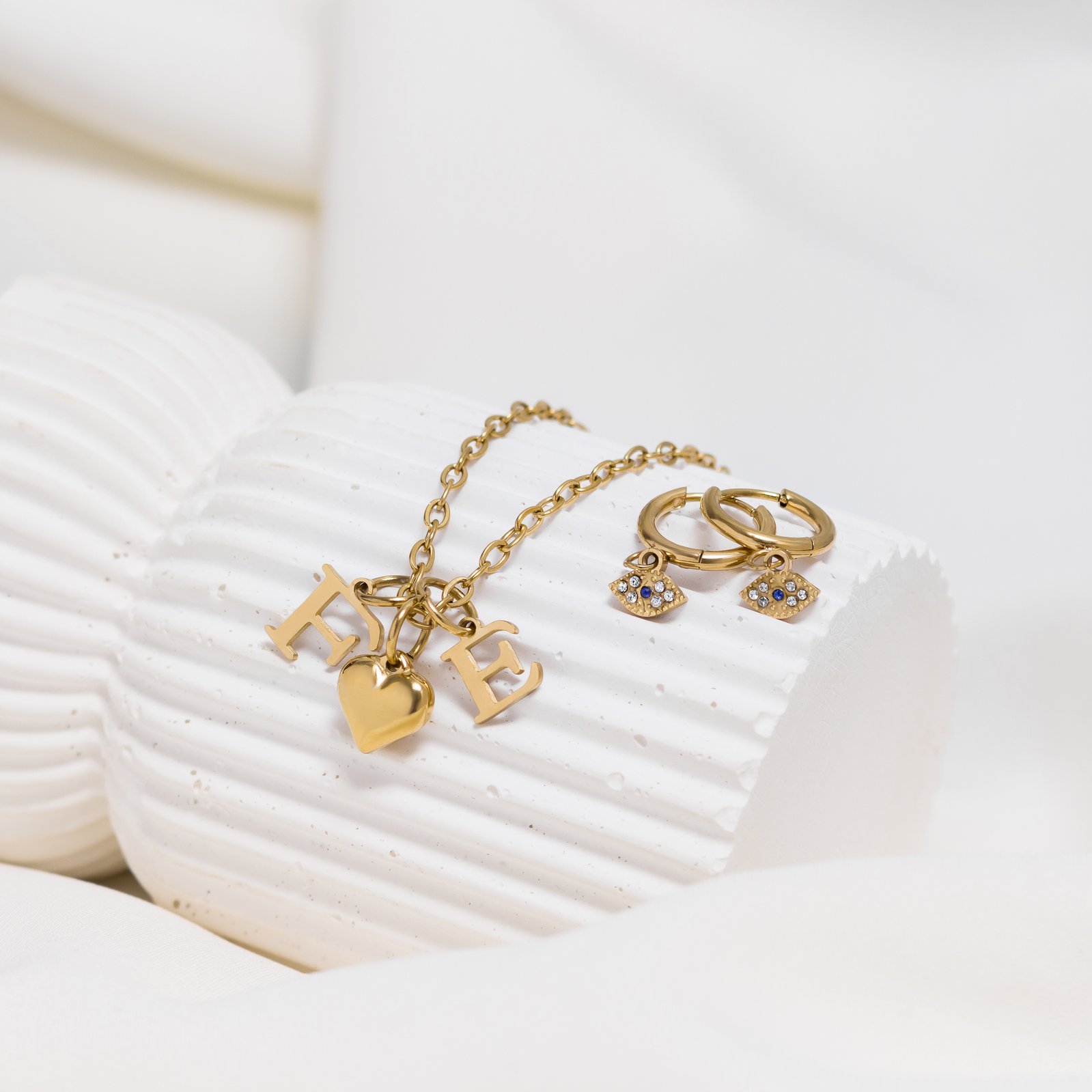
You reach for a piece you have not worn in a while and the gleam has dulled to a grey, cloudy film. It happens to most of us, and the disappointment is real, because a tarnished chain can make a whole outfit feel a little tired. The good news on how to fix tarnished jewellery is that the right method depends on the metal, and matching the two is what brings the shine back safely.
Get the metal wrong and you can scratch a finish you were trying to save. Get it right and most pieces come back to life in minutes. Here is how to tell what you are working with, and exactly what to do for each material.
What is tarnish, and can it be fixed?
Tarnish is a thin, dull layer that forms when a metal reacts with air, moisture and the everyday things it touches, such as perfume, sweat and skincare. On most metals it sits on the surface, which is why the right cleaning usually lifts it away, and it is seldom permanent damage.
Whether it can be fixed, and how, comes down to the metal. Sterling silver responds well to polishing. Gold-plated and PVD pieces ask for a far gentler touch. Knowing which you own is the first step, so check any hallmark or the description from when you bought the piece before you begin. Our guide to why jewellery tarnishes explains what causes the change in the first place.
Why does the right method depend on the metal?
It comes down to how each metal is made. Solid sterling silver is precious all the way through, so a little gentle abrasion lifts the tarnish and reveals fresh, bright metal underneath. There is nothing to wear through. Gold-plated and PVD pieces are built differently, with a thin gold-tone layer over a base, and that layer is what gives the colour. Anything abrasive cuts straight into it.
So a polishing cloth that is the hero of silver care becomes the villain on a plated chain. Using the wrong method does not just fail to help; it can permanently strip the finish you were trying to revive. That is why the very first step is always to identify the metal, then choose the method that suits it, which is the order the sections below follow.
How do you fix tarnished silver jewellery?
Sterling silver is the most forgiving to revive. A specialist jewellery polishing cloth is the simplest fix: work it gently over the surface and the dull layer lifts away, leaving the shine behind. These cloths are treated to remove tarnish without scratching, so keep one in your jewellery drawer.
For heavier tarnish, a gentle baking-soda paste can help. Mix a little bicarbonate of soda with water to a soft paste, apply it with a soft cloth using light pressure, then rinse and dry thoroughly. Use this sparingly and only on solid silver, since the mild abrasion that helps silver would harm a plated or coated finish.
How do you fix tarnished gold-plated jewellery?
Gold-plated pieces need the gentlest approach of all, because the gold layer is thin and abrasives strip it away. Tarnish or dullness on plated jewellery should only be wiped gently with a soft cloth, ideally with a little mild soapy water, then patted dry. Skip polishing cloths designed for silver, baking soda and ultrasonic cleaners, as all of them can take the plating with the tarnish.
If the dullness will not wipe away, it may be that the plating itself has worn through, which reads as tarnish, and at that point gentle cleaning is the limit of what is safe to do at home. For a step-by-step routine, our guide on how to clean jewellery covers plated pieces in detail.
What about stainless steel and PVD pieces?
Here is the easy part. Stainless steel and PVD-coated stainless steel rarely tarnish at all, which is why they have become popular for everyday wear. Most of the time a dull look is simply a film of skincare, soap or daily grime, well short of true tarnish, and a soft cloth with a little mild soapy water brings the shine straight back.
Treat PVD pieces gently even so, wiping with a soft cloth and skipping any scrubbing, since abrasives can mark the coating. The reward for choosing these materials is that the question of how to fix tarnish rarely comes up in the first place.
How do you stop jewellery tarnishing again?
A few habits keep the shine for longer. Put jewellery on last, after perfume, hairspray and moisturiser have dried, and take it off before you wash, swim or exercise. Wipe pieces with a soft cloth after wear to lift away sweat and skincare before they settle.
Storage matters as much as cleaning. Keep pieces somewhere dry, away from humidity, ideally in a lined box or a soft pouch so they are not knocking against each other or sitting in damp air. Tarnish-resistant materials such as PVD-coated stainless steel make all of this easier, since they hold their colour through daily life with very little fuss.
A simple at-home routine for reviving a dull piece
If you are unsure where to start, a calm order helps. First, work out the metal, checking any hallmark or the original description so you choose a safe method. Lay out a soft, lint-free cloth, a bowl of lukewarm water with a drop of mild washing-up liquid, and a polishing cloth only if the piece is solid silver. Good light and a clean, flat surface make the whole job easier.
Then match the method to the metal: a polishing cloth or gentle baking-soda paste for solid silver, a soft cloth with mild soapy water for gold-plated and PVD pieces, and clean water on a soft cloth for anything with pearls. Work in small sections, check your progress as you go, and stop the moment the shine returns. Finish by drying the piece fully before it goes back into storage, since leftover moisture is what starts the next round of dullness.
One last point on expectations: cleaning revives surface tarnish, but it cannot replace plating that has genuinely worn through to the base metal. If a gold-plated piece stays dull after gentle cleaning, that is usually the sign, and re-plating is the only way to restore the original colour.
Frequently asked questions
How do you fix tarnished jewellery at home?
Match the method to the metal. Silver responds to a polishing cloth or a gentle baking-soda paste, while gold-plated and PVD pieces should only be wiped gently with a soft cloth and mild soapy water.
Can you fix tarnished gold-plated jewellery?
Yes, gently. Wipe it with a soft cloth and a little mild soapy water, then pat dry. Avoid abrasives, polishing pastes and ultrasonic cleaners, which strip the plating.
What is the best way to remove tarnish from silver?
A specialist jewellery polishing cloth is the simplest and safest option. For heavier tarnish on solid silver, a gentle baking-soda paste applied with a soft cloth can help, followed by a rinse and thorough dry.
Does stainless steel jewellery tarnish?
Stainless steel and PVD-coated stainless steel rarely tarnish. A dull look is usually a film of skincare or soap that wipes away with a soft cloth and mild soapy water.
How do I stop my jewellery tarnishing?
Put it on last and take it off before water, wipe it after wear, and store it somewhere dry. Choosing tarnish-resistant materials such as PVD-coated stainless steel keeps the shine with little effort.
Is tarnish permanent?
On most metals tarnish is a surface layer that the right cleaning can lift, so it is seldom permanent. What cannot be reversed at home is plating that has genuinely worn through to the base metal, which needs re-plating.
Can you use toothpaste to clean tarnished jewellery?
Avoid it. Toothpaste is abrasive and is safe only on solid metals at best. On gold-plated and PVD pieces it strips the finish, so use a soft cloth and mild soapy water instead.
Related pieces
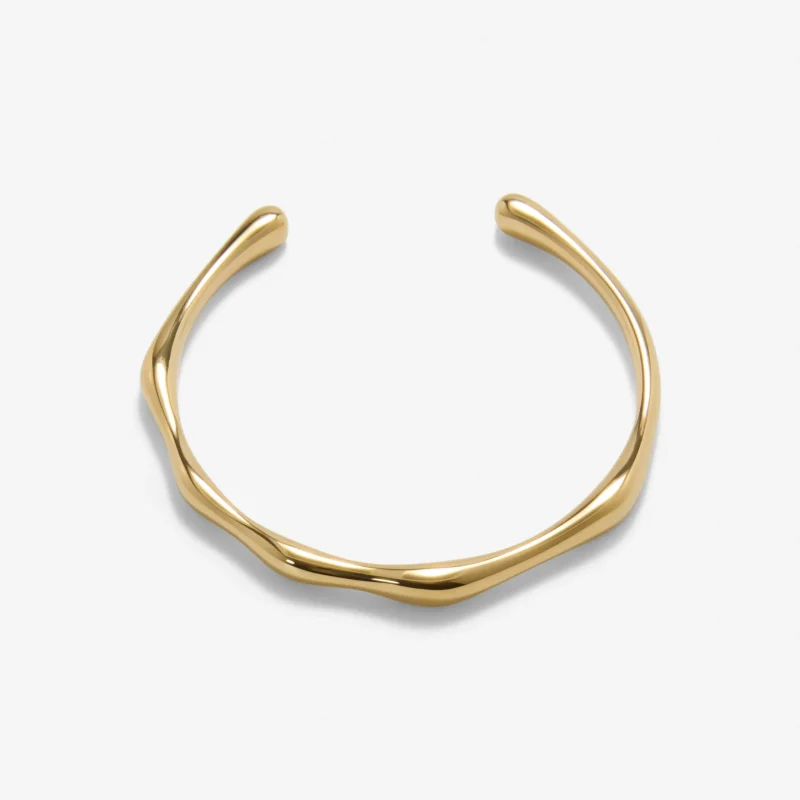
If you would rather skip the tarnish question altogether, our best sellers are built for it, including the Molten Bangle with its soft, sculptural shine. Each piece is waterproof and tarnish-free, finished in 14k gold PVD over recycled stainless steel, and skin-friendly, so it stays comfortable all day.