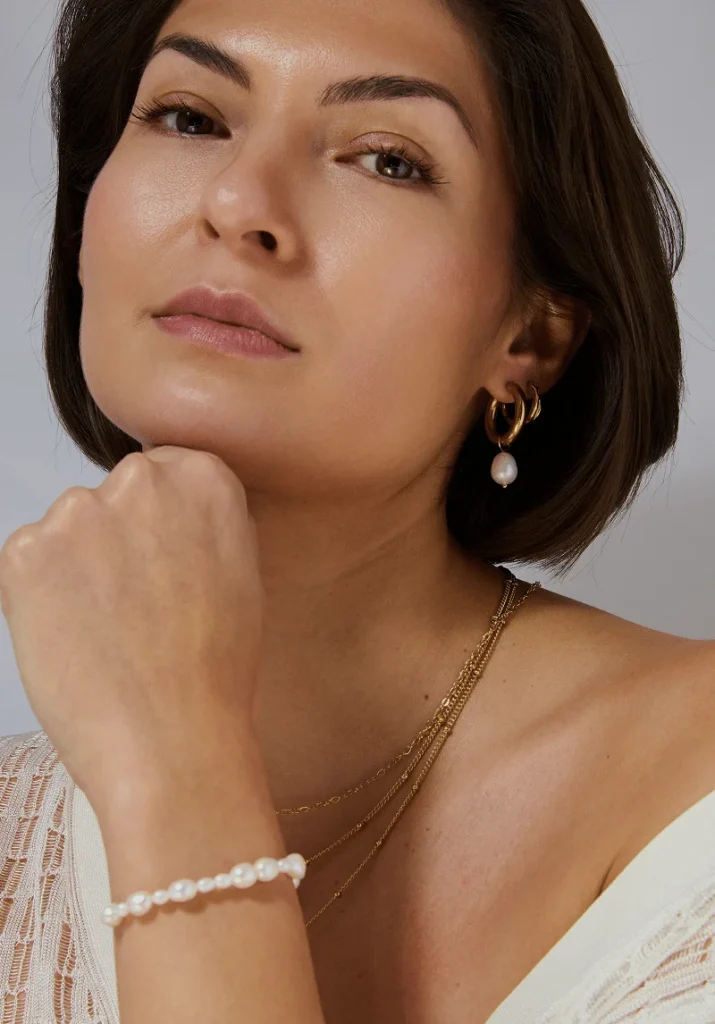


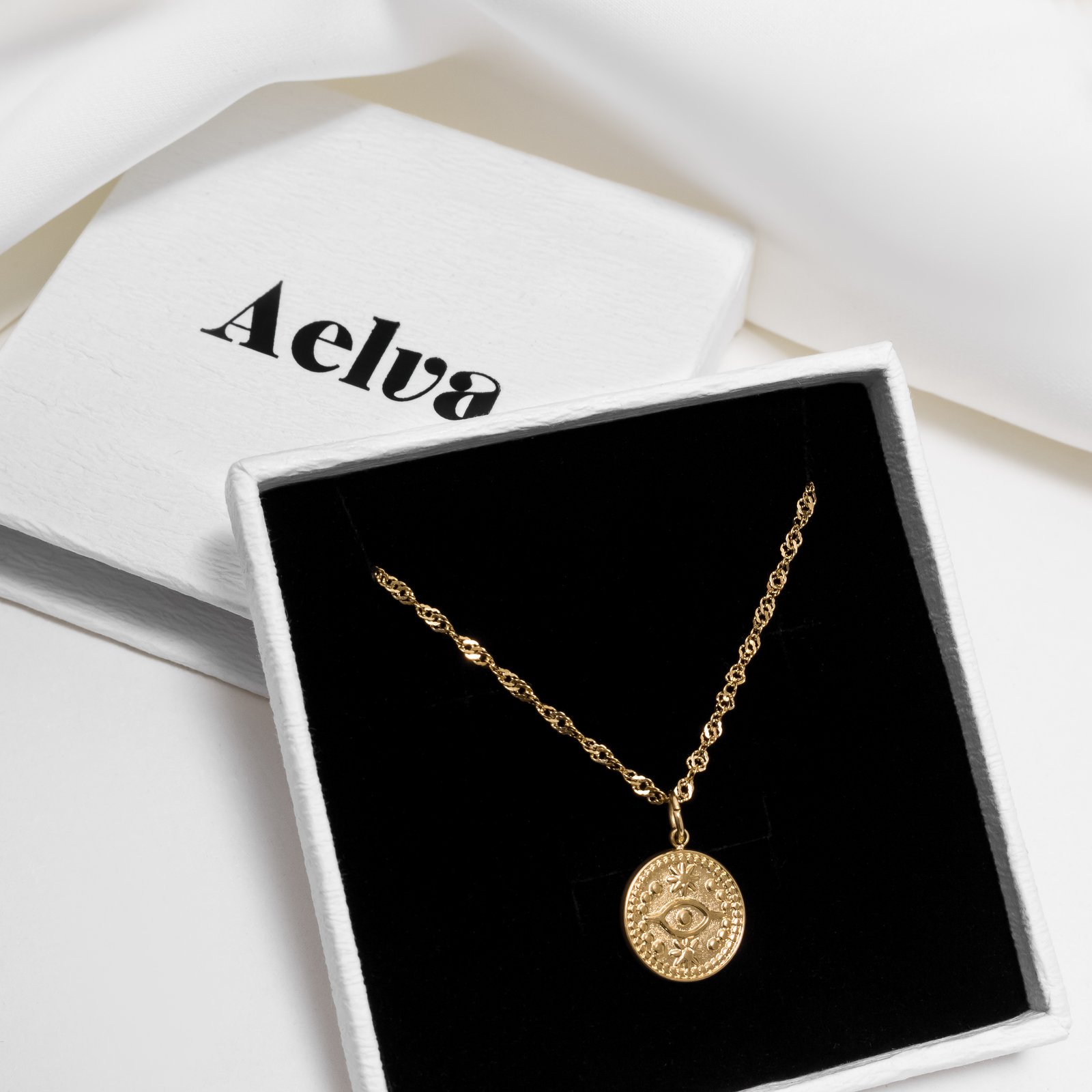
In the shop, the two chains look identical. Same warm gold tone, same price bracket, same little promise of holding their colour. A year later, worn every day, they have gone separate ways. That is the whole story of PVD vs gold plated jewellery in one image. For everyday wear, PVD jewellery lasts longer than gold-plated jewellery. PVD bonds a hard coating into the metal at a molecular level, while standard gold plating sits on top as a softer layer that wears through sooner. The difference shows over months and years of use.
PVD vs gold plating: the short answer
PVD and gold plating both put a thin, gold-toned layer over a base metal, usually stainless steel or brass. The finished pieces can look the same on day one. What separates them is how the layer is applied and how hard it is, and that decides how long the colour holds up.
Gold plating uses an electric current to deposit a soft layer of gold from a solution. PVD, physical vapour deposition, vaporises the coating material in a vacuum and bonds it into the surface as a dense, hard film. The harder, better-bonded finish wins on durability, which is why PVD is the common choice for pieces meant to be worn every day.
What PVD coating is
Physical vapour deposition is a vacuum-based surface process. The base metal goes into a sealed chamber, the coating material, often titanium nitride or a gold-toned compound, is turned into a vapour, and those particles settle onto the surface and bond with it at a molecular level. The coating becomes part of the surface, forming a hard, dense layer.
That hardness is the heart of the difference. Vickers hardness for PVD coatings typically runs from around 1,500 to 4,000, against roughly 150 to 250 for electroplated gold. Abrasion is the main force acting on jewellery in daily use, and a harder surface resists it far better. If you want the full process explained, see our guide on what PVD jewellery is.
One more property follows from how PVD is applied. Because the coating bonds into the surface, a scratch tends to mark both the coating and the metal beneath together, so the colour does not lift away in flakes the way a worn plating can. The finish ages by picking up the odd fine line over time, while keeping its even tone, which is the kind of wear most people are happy to live with.
How standard gold plating works
Electroplating lays a thin layer of gold onto the base metal through an electrochemical process. The piece is dipped in a solution of gold ions, and an electric current pulls those ions onto the surface. The layer that forms is softer than a PVD coating, and it holds on through surface adhesion.
Plating thickness is measured in microns. Standard fashion plating can be as thin as 0.5 microns. Vermeil is a regulated, heavier version: at least 2.5 microns of gold over sterling silver. Thicker plating lasts better than thin plating, and even heavier electroplated gold keeps the soft, surface-held character that sets it apart from a vapour-deposited finish.
There is a useful upside to electroplating worth naming. Because the layer is applied from a solution, it can reach into elaborate shapes and deep detail evenly, and a worn piece can often be re-plated to restore the colour. That makes plating a sensible match for ornate, occasional-wear pieces, while PVD earns its place on the plain everyday shapes that take the most handling.
Which lasts longer for everyday wear?
PVD lasts longer in daily wear, and the gap is wide. Friction from clothing, contact with surfaces, and the simple act of taking jewellery on and off all grind away at a finish over time. Because PVD coatings are much harder and better bonded, they resist that wear far more effectively.
A good PVD coating on a stainless steel base, worn daily, generally keeps its appearance for several years under normal conditions, often in the region of two to five years and longer with care. An electroplated piece worn the same way tends to show wear in high-contact spots first, such as the clasp of a bracelet or the back of an earring, and that can begin within months. So a PVD piece can outlast a plated one by years for the same pattern of use.
Think back to those two gold-toned chains worn every day for a year. The PVD-coated chain looks much as it did at the start, its colour even along its length. The electroplated chain often shows the first signs near the clasp and where it rubs against clothing, with the warm tone fading to a paler base metal at those points. Both began life looking identical, and a year of ordinary wear is enough to separate them.
Does PVD jewellery tarnish?
Quality PVD jewellery on stainless steel resists tarnish well. The coating seals the surface and the stainless base does not corrode easily, so the colour stays stable through water, sweat and daily handling. Gold plating is more likely to dull and discolour over time, because once the thin gold layer wears through, the reactive base metal underneath is exposed.
The base metal is half the story. Stainless steel is hard and corrosion-resistant, so it supports the coating and stays presentable even if the surface picks up a fine scratch. Brass, common under electroplating, is softer and more reactive, which speeds up how quickly a worn or thinned finish starts to look tired. Pair a quality base with a quality surface treatment and the two strengths add up, which is why the durability of these materials is worth understanding before you buy.
Is PVD better than gold plated, and how to tell them apart when buying
For regular or daily wear, PVD is the stronger choice. It resists abrasion, holds its colour for years, and is less likely to wear at high-contact points. That makes it well suited to a chain or pair of earrings you put on most mornings. Standard gold plating still has a place for pieces worn now and then, where lower wear means the finish lasts a satisfactory time and the lower price makes sense.
Product pages do not always make the finish obvious, so look for a few signals. A listing that names PVD and a stainless steel base is a good sign for longevity. Terms like "gold plated" or "gold flash" without a stated thickness point to a thinner electroplated layer. "Vermeil" tells you 2.5 microns of gold over silver, a heavier plating that is still electroplated. When a seller can state the base metal and the coating method clearly, you can match the finish to how you plan to wear the piece.
As a rule of thumb, a piece you will wear most days, take into water, or handle a lot is better served by PVD on stainless steel, while a delicate or ornate piece kept for occasions can sit happily in heavier gold plating. The best value comes from matching the finish to the wear, and what makes jewellery last is largely this pairing of a sound base metal with the right surface for the job.
FAQ
Does PVD jewellery tarnish?
Quality PVD jewellery on stainless steel resists tarnish well. The coating seals the surface and the stainless base does not corrode easily, so the finish stays stable through water and daily wear.
How long does PVD last?
On a stainless steel base, a good PVD coating typically holds its finish for around two to five years of daily wear, and longer with occasional wear and basic care. Standard electroplating can wear within months.
Is PVD better than gold plated?
For everyday wear, yes. PVD is harder, more abrasion-resistant and longer-lasting than gold plating. Gold plating still suits pieces worn occasionally, where the finish faces less wear.
What is the difference between PVD coating and gold plating?
PVD bonds a hard coating into the surface in a vacuum at a molecular level. Gold plating deposits a softer gold layer with an electric current that sits on the surface. The PVD finish is harder and lasts longer.
Related pieces
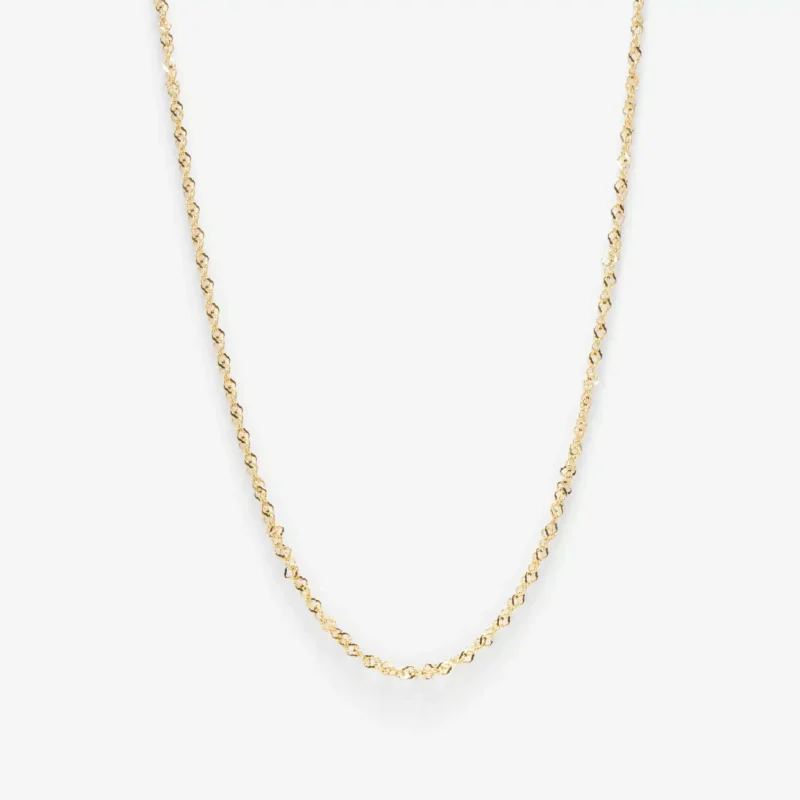
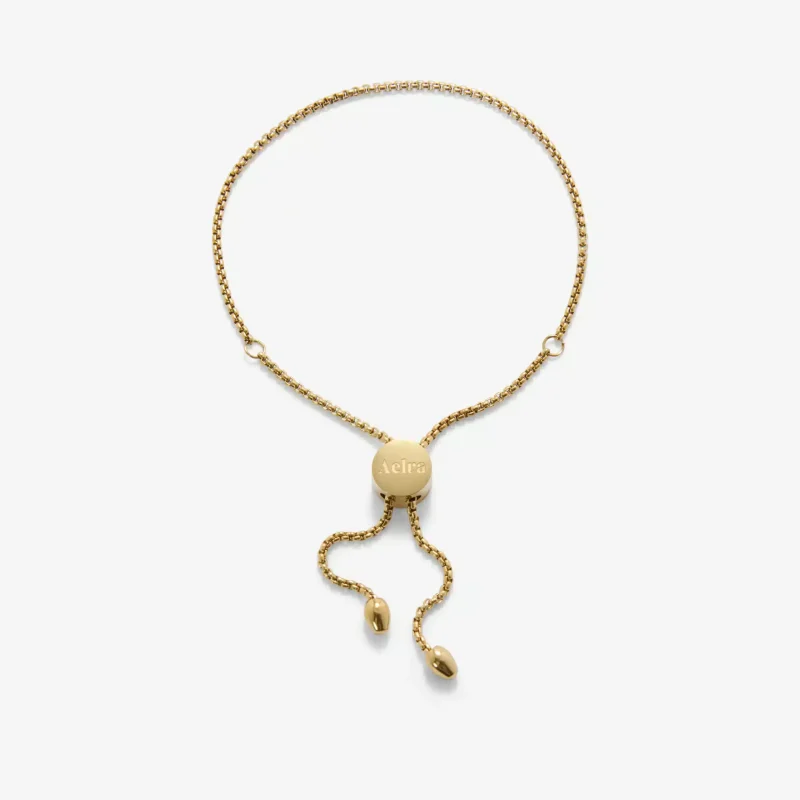
For finishes chosen to take daily wear, the Singapore Twist Chain and the Dainty Bolo Bracelet are made from recycled stainless steel with a 14k gold PVD coating, so they keep their colour through water, sweat and the small knocks of everyday life.