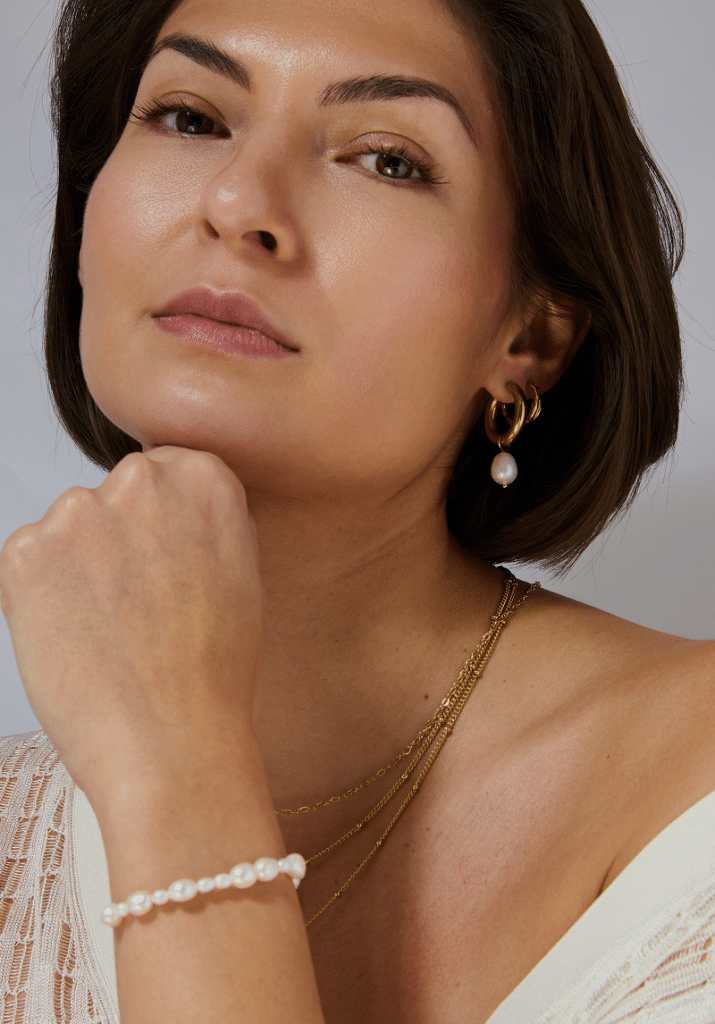


Most of us have stood at the mirror holding a gold chain to one collarbone and a silver one to the other, turning side to side, trying to work out which one looks like us. It is a small decision that somehow feels bigger, because the metal you wear sits with you every day and frames your face in every photograph. The good news is that there is a simple way to read it.
When people ask, does gold or silver suit me, skin undertone is the usual starting point: warm undertones tend to flatter gold, cool undertones tend to flatter silver. It is a helpful guide, not a hard rule, since it comes down to personal preference, and many people happily wear both. Here is how to find your answer.
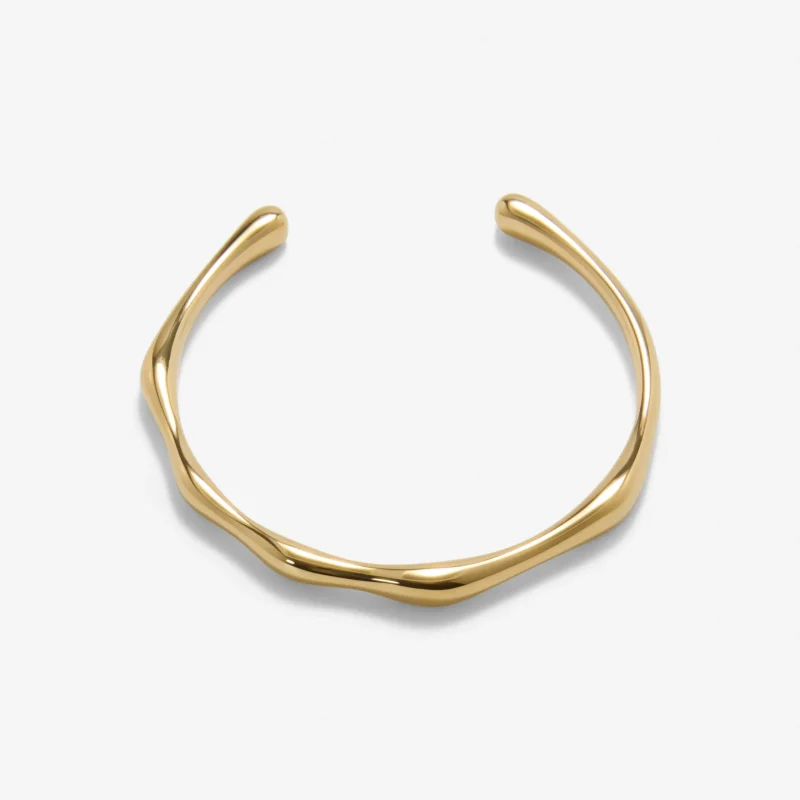
How do you tell if gold or silver suits you?
The quickest read is your skin undertone, the soft colour beneath the surface of your skin. Warm undertones, which lean golden, peachy or olive, are often flattered by gold. Cool undertones, which lean pink, red or bluish, are often flattered by silver.
A few quick checks help. Look at the veins on your inner wrist in natural light: greenish veins often point to a warm undertone, bluish or purple to a cool one. Think about which colours you reach for, since warm undertones tend to glow in earthy shades while cool undertones suit jewel tones. None of this is fixed, and the mirror is always the final word, but undertone gives you a sensible place to begin.
What is skin undertone and how do you find it?
Skin undertone is the underlying hue of your skin, separate from how light or tan you are. Two people with the same depth of skin can have different undertones, which is why the metal that suits each of them can differ.
Beyond the wrist test, try the white-paper check: hold a sheet of plain white paper to your bare face in daylight and notice whether your skin looks golden and yellow against it, which suggests warm, or pink and rosy, which suggests cool. If you genuinely cannot tell, you may be neutral, which is good news, since both metals tend to suit you. Our guide on whether gold or silver is in style covers how this plays out in current trends.
One more check is how you react to the sun. Skin that tans easily and rarely burns often leans warm, while skin that burns and stays fair often leans cool. Take these signs together instead of relying on one alone, since any single test can mislead. When two or three point the same way, you can trust the result.
Does hair and eye colour matter too?
Hair and eye colour add to the picture, though undertone leads. Warm features, golden-blonde, auburn, warm brown hair, hazel or amber eyes, often sit beautifully with gold. Cooler features, ashy or jet-black hair, blue or grey eyes, often suit silver.
These are gentle pointers that work alongside undertone, not against it. Many people find that gold warms up their complexion and brightens tired skin, while silver gives a crisp, cool clarity. The most useful test is still to hold each metal to your face and watch what happens to your skin and eyes, since the right one tends to make you look brighter and more rested.
Hair changes over a lifetime, of course, and the metal that flattered you at twenty may sit differently once your hair greys or you colour it. Many people find that silver suits them more as their hair cools in tone, while warm dyes pull them back towards gold. It is worth holding both up again every few years, since the version of you in the mirror is the one that counts.
What if both gold and silver suit me?
If both look good, you most likely have a neutral undertone, and you have the easiest choice of all, which is to wear whichever you fancy. Plenty of people sit in this middle ground and never have to pick a side.
It also frees you to mix the two. Wearing gold and silver together has become a settled part of how people style jewellery, letting you layer a gold chain with a silver one or pair mixed-metal earrings without a second thought. Our piece on the mixed-metal trend looks at how to combine them so they read as deliberate and considered.
A simple way to mix with confidence is to repeat each metal at least twice, so a touch of silver at the ear is echoed by silver at the wrist while gold carries the necklace. That repetition tells the eye the combination was chosen, and it stops either metal looking like an afterthought. Once you have the knack, switching tone with your outfit becomes second nature.
Two-tone pieces make the mix even easier, since a single earring or chain that already holds both metals does the balancing for you. Wearing one of these alongside a plain gold or silver piece is a low-effort way to test whether mixed metals suit your style before you commit to a fuller mix. Most people find the look grows on them quickly once they see it on.
Does personal preference beat the rules?
In the end, personal preference matters most. The undertone guide is a helpful starting point, and many people who supposedly suit one metal wear the other every day and look wonderful in it because they feel like themselves in it.
Confidence does a lot of the work. A metal you love and reach for will always look better on you than one a chart told you to wear. Treat undertone as a way in, not a verdict, try both against your skin, and trust the version of yourself you most want to see in the mirror. That is the answer that lasts.
How do you choose a metal you can wear every day?
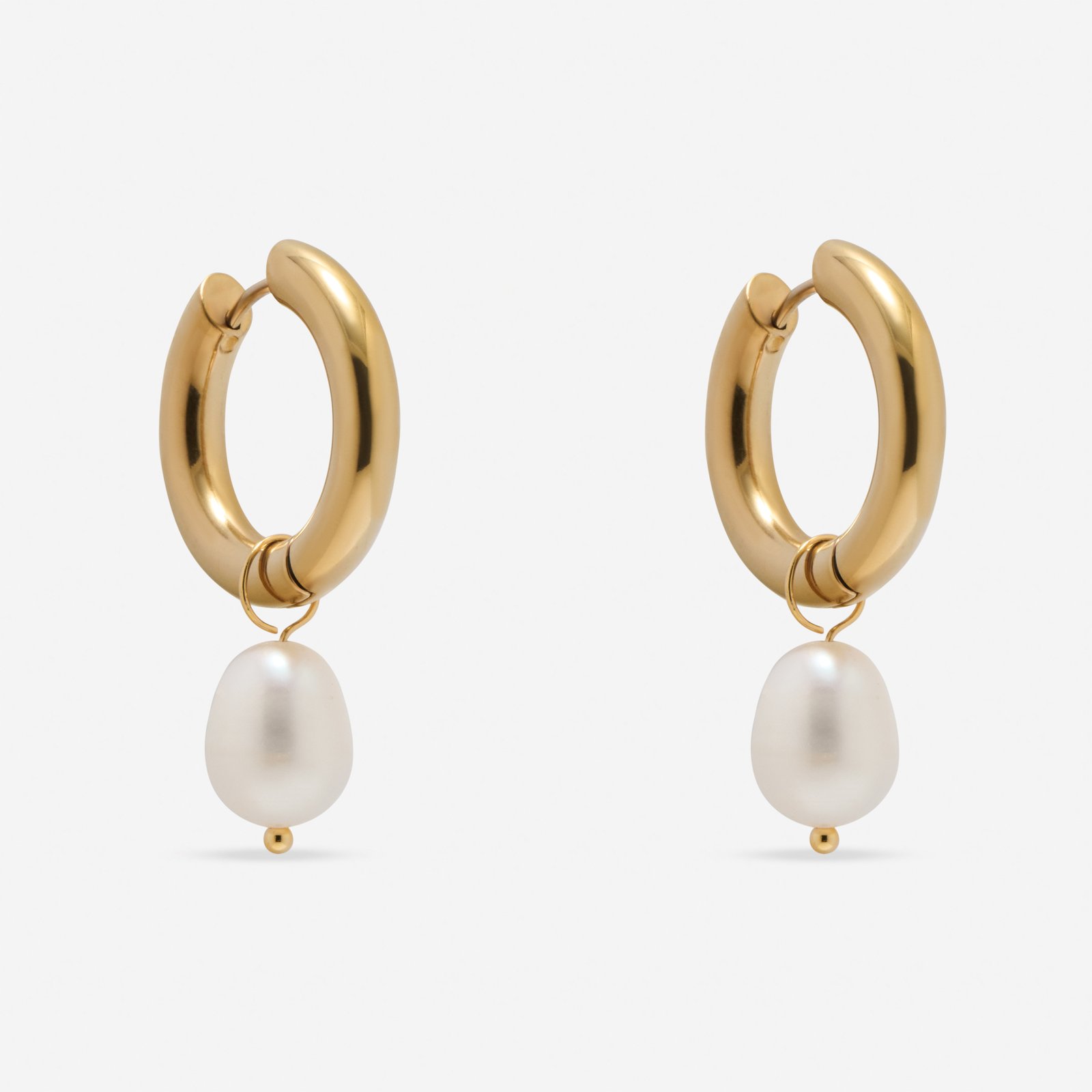
Once you know your tone, the finish decides how well the piece lasts. A waterproof, tarnish-free finish such as 14k gold PVD on recycled stainless steel keeps its colour through showers, workouts and long days, so a gold-tone piece stays gold and bright.
Hypoallergenic pieces suit skin that reacts easily, which matters when a chain or earring sits against the skin all day. If you like both metals, building a small mix in the same durable finish lets you switch tone with your mood and your outfit. Choose pieces you can live in, and the question of gold or silver becomes a pleasure instead of a worry.
It helps to start with one versatile piece in your stronger tone, a hoop or a fine chain you can wear with anything, then add from there as you learn what you reach for. A small, considered set in a lasting finish goes further than a drawer of pieces you rarely touch, and it makes getting dressed quicker on the days you have no time to think about it.
Frequently asked questions
Does gold or silver suit me better?
As a guide, warm skin undertones tend to flatter gold and cool undertones tend to flatter silver. It comes down to personal preference, though, and many people wear both.
How do I find my skin undertone?
Check the veins on your inner wrist in daylight: greenish veins suggest a warm undertone, bluish or purple suggest cool. Holding white paper to your face is another quick test.
Can I wear both gold and silver?
Yes. Mixing gold and silver has become a settled part of everyday styling, and a neutral undertone tends to suit both metals equally well.
Does hair colour affect whether gold or silver suits me?
It adds to the picture. Warmer hair and eyes often sit well with gold, cooler ones with silver, though skin undertone leads and personal taste matters most.
Will a gold-tone piece keep its colour?
A 14k gold PVD finish on recycled stainless steel is waterproof and tarnish-free, so it holds its colour through everyday wear. Hypoallergenic pieces also suit skin that reacts easily.
Related pieces
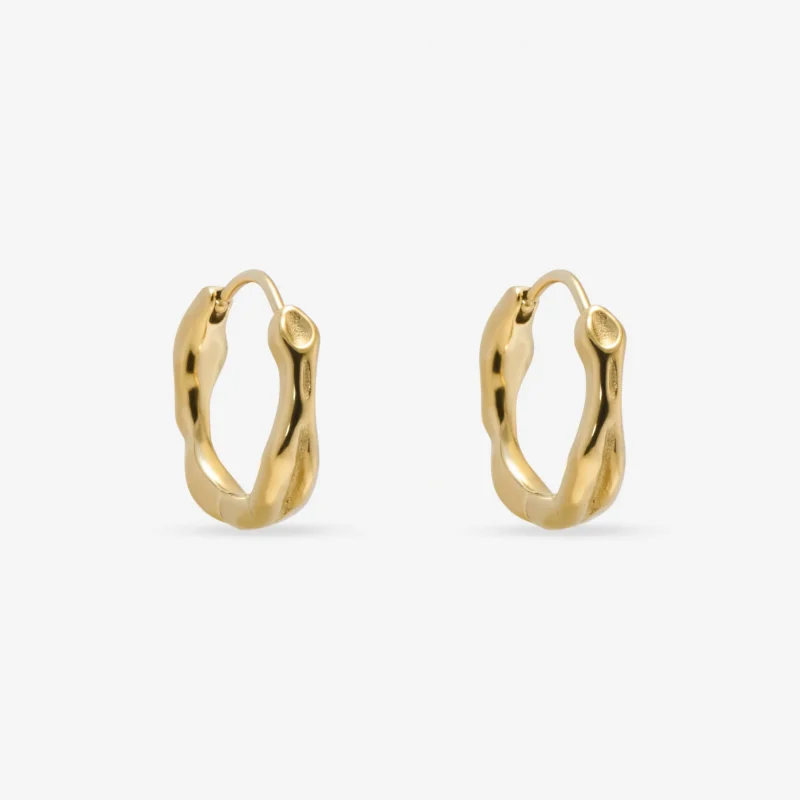
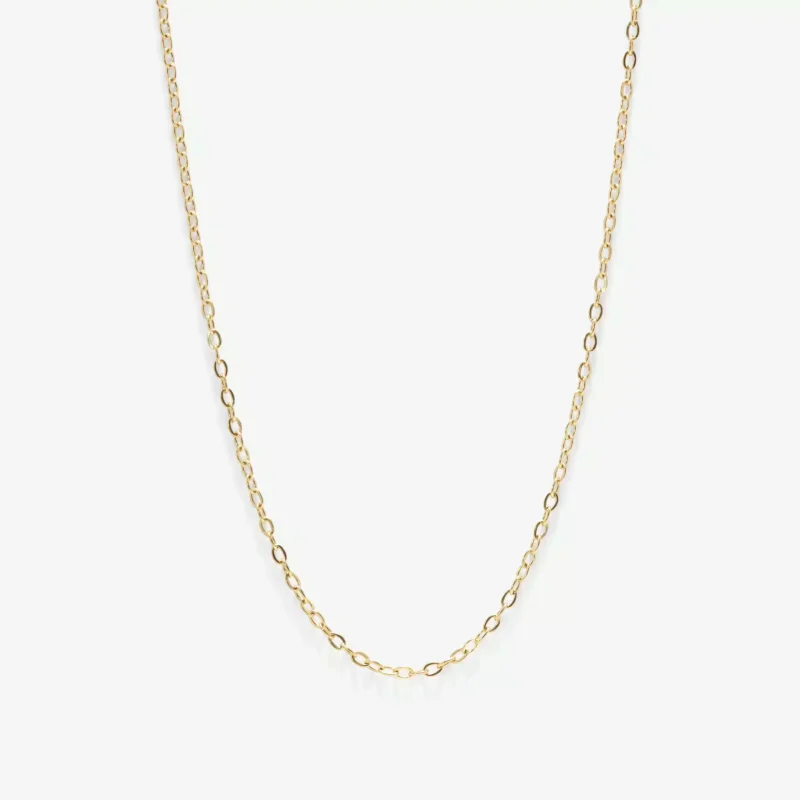
If gold is your tone, the Molten Hoop Earrings catch the light and frame the face, and the Dainty Chain gives you an easy everyday base to build on. Both are made from recycled stainless steel with a 14k gold PVD finish, so they hold their colour through daily wear, whichever tone you settle on.