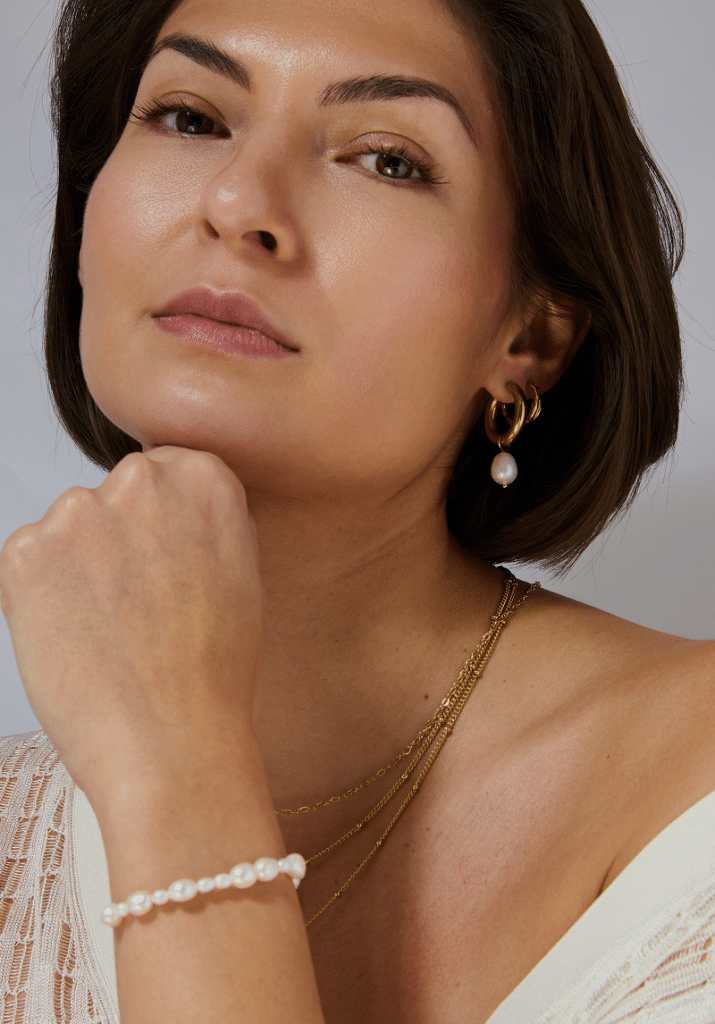


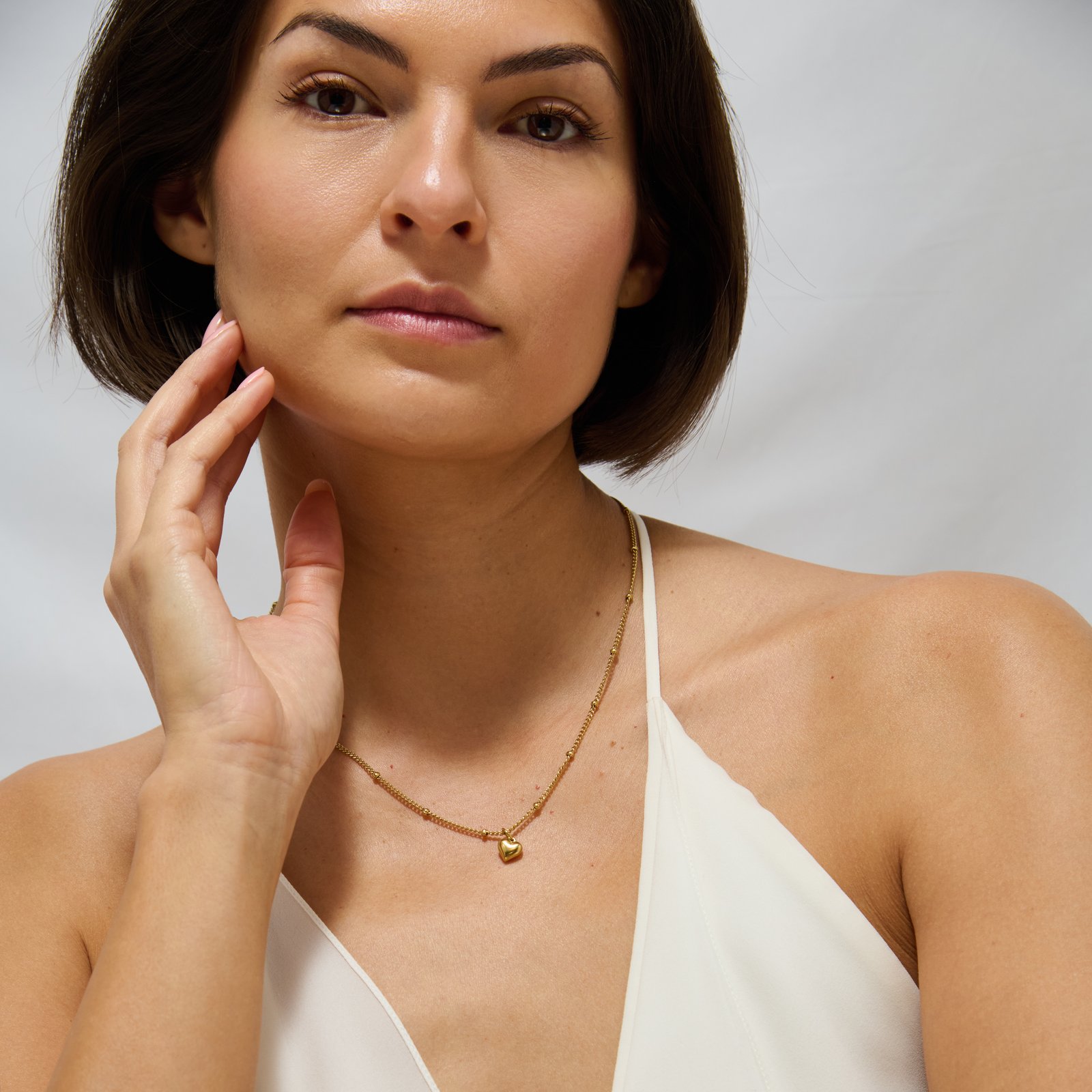
Think of the necklace you bought for a wedding three years ago. It came out once, sat beautifully for an afternoon, then went back in its box where it has stayed since. Most of us own at least one piece like it. The happier alternative is versatile jewellery for any occasion: jewellery whose scale, material and finish keep it from belonging to a single setting, so the same piece reads correctly at a wedding, a work meeting and a weekend lunch.
The qualities that make a piece occasion-proof are restraint in design, a moderate scale, good material, and a finish that signals neither strongly formal nor strongly casual. Choosing pieces like this gives a better return than buying jewellery for one event, because they are worn often instead of kept for rare days. This guide explains what makes a piece travel and how to build a collection around it.
Why does occasion-only jewellery get worn so rarely?
Most people own at least one piece bought for special occasions: a formal necklace, an ornamental bracelet, earrings reserved for weddings. These are usually more decorative than everyday pieces and worn rarely. They come out for an event, get worn once or twice, then return to a drawer until the next suitable occasion, which for many people is months or years away.
That pattern is inefficient. Money goes into a piece worn perhaps five or six times in a decade, so the cost per wear is high. There is also no time for it to become familiar. Each time it comes out, it is essentially being worn for the first time, so it stays apart from daily life and from a settled sense of self, splitting the everyday self from the event self.
A more practical approach is to choose pieces that work for everyday life and for formal occasions at once. Special pieces still have their place; the aim is to choose special pieces with broad use. The line between everyday and occasion jewellery then blurs in a useful way: the best pieces are worn regularly, and the regular pieces are good enough for any occasion.
What makes a piece read as both everyday and celebratory?
The difference between occasion jewellery and everyday jewellery is mostly in how a piece reads, in place of how it is built. A necklace can be wearable daily and right at a formal event when it is designed with a few principles in mind.
Restraint is the main one. A piece that reads as both everyday and formal usually carries no excess decoration. It can have real presence, though that presence comes from proportion, fine materials and clean design, kept free of ornamental complexity. Material quality contributes too: a piece in a good metal or pearl reads as credible in any context, where obviously costume pieces read as occasion-bound.
Finish and detail also matter. Pieces with very trendy finishes read as occasional, because they are tied to a moment, while classic, refined finishes read as appropriate anywhere. A piece becomes versatile across contexts when it is designed with genuine care and with no specific occasion in mind. It has presence while staying modest, and refinement while staying quiet.
How important is scale for occasion-proof jewellery?
Scale is perhaps the single most important factor in whether a piece can bridge casual and formal settings. A piece that is too small can disappear in either context. One that is too large becomes dramatic and risks overwhelming an outfit. The scale that travels is one that is clearly intentional while staying gentle: in everyday wear it reads as well chosen, and at a formal event it reads as assured.
Pieces that are too delicate often fall short in both directions. In casual wear they can disappear, and in formal wear they can read as insufficient, as though the occasion has been underdressed for. A piece with clear visual presence at a moderate scale works in both. Scale also shapes how material is read: a substantial piece in gold reads as credible, while a very small one can read as costume depending on its finish.
This applies across categories. A necklace at the right scale suits a daily meeting and a wedding. A bracelet with the right visual weight works for morning coffee and a formal dinner. The aim is a moderate, intentional scale, somewhere between the largest and smallest version of a piece.
How do material and finish change how formal a piece reads?
Material is one of the most direct ways a piece signals formality. Precious-looking gold tones read as formal and credible in any context. A high polish on gold reads as more formal, a matte or brushed finish on the same gold reads as more contemporary and casual, and a textured finish reads as more organic and everyday.
Colour plays a part too. Warm metals generally read as a little less formal and more personal than cool white metals, though both are equally versatile. Pearl sits in its own register, reading as classic and quietly formal while staying soft enough for everyday wear, which is part of why it crosses occasions so easily.
Put together, the most occasion-proof combination tends to be a moderate scale, a good gold tone, a finish that sits between bright polish and industrial matte, and a design built on restraint. A piece chosen on those terms reads as right at a wedding and equally right on an ordinary Tuesday.
Why choose pieces to wear often instead of preserve?
Choosing versatile pieces changes how a collection is used. Occasion jewellery waits in a drawer for its moment, while versatile pieces become part of how you dress. The buying question shifts from whether something is right for one event to whether it will be worn regularly, which is a more achievable criterion.
It also reduces the pressure on any one piece. A piece needs only to be wearable across many settings, in place of being perfect for one. The best pieces then get worn dozens of times a year across ordinary and special days, which makes the most of the pleasure they give.
There is a quieter benefit in wearing familiar pieces to significant occasions. A piece worn through many ordinary days, then present at a wedding or a milestone, gathers a history that a piece bought for one occasion cannot have. Wearing what you already know also carries an ease that reads as confidence, with no adjusting to unfamiliar jewellery on the day.
How do you build a collection that works anywhere?
The practical goal is a small set of versatile anchor pieces, supplemented by a couple of more specific pieces for occasions that genuinely call for them. A versatile base might be a simple necklace that suits work and evening, a pair of earrings that are subtle while still elegant, and a bracelet with enough substance to be seen while staying easy. These work alone or together, with casual or dressier clothing.
Building the versatile anchors first tends to produce a better collection, because pieces that can be worn everywhere are more valuable than pieces that fit only one place. Once the base is in place, occasion-specific additions become optional, and anything added will already work with what is there.
Choosing pieces with genuine character matters here too. A collection of purely safe, neutral pieces is reliable while staying flat. The pieces worth building around are versatile and have something specific to offer.
Frequently asked questions
What is the most versatile jewellery for any occasion?
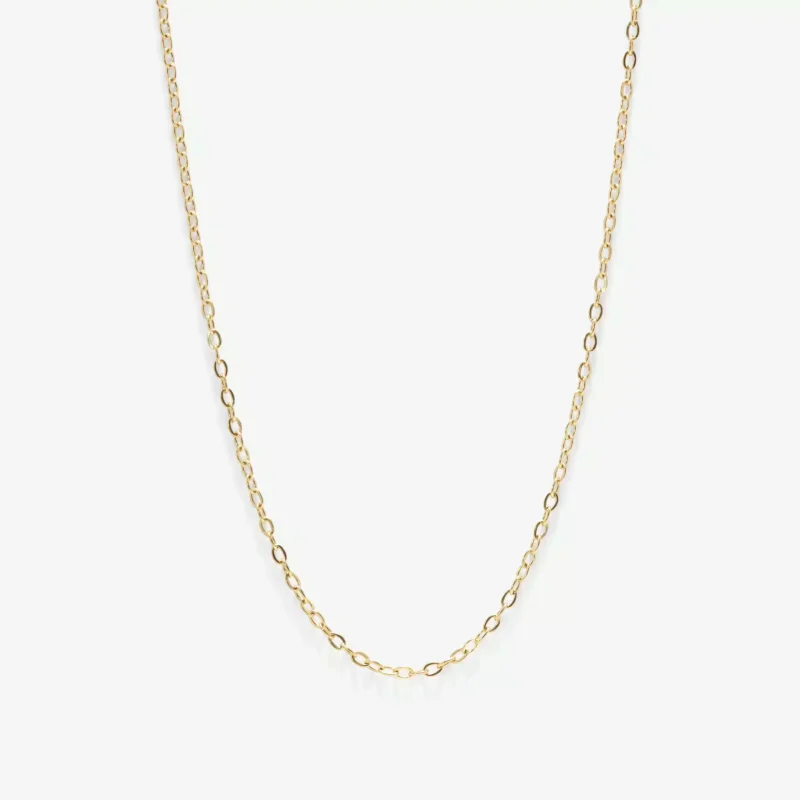
Pieces at a moderate scale, in a good gold tone or pearl, with a restrained design and a finish that sits between very polished and very matte. A fine chain with a small pendant, simple hoops, a refined bracelet, and a pearl necklace all read correctly from a wedding to a weekday.
Can you wear everyday jewellery to a wedding?
Yes, when the pieces are well made and at a moderate scale. A well-made everyday necklace worn with a formal outfit reads as a confident choice, and the clothing raises the register so the piece looks occasion-appropriate with no change needed.
What makes jewellery occasion-proof?
A combination of restraint, moderate scale, good material, and a finish that stays clear of strongly formal or strongly casual. Pieces designed with no single occasion in mind read as appropriate across the widest range of settings.
Is it worth buying jewellery just for one event?
Usually only when an everyday piece genuinely cannot serve the occasion. Most people already own pieces that work for the events they attend, and a versatile piece worn often gives a far better return than one kept for a single day.
How many versatile pieces do you actually need?
A small base is enough: a versatile necklace, a subtle pair of earrings, and a bracelet with some substance. These cover most of daily life and most occasions, with one or two specific pieces added only for events that genuinely call for them.
Related pieces
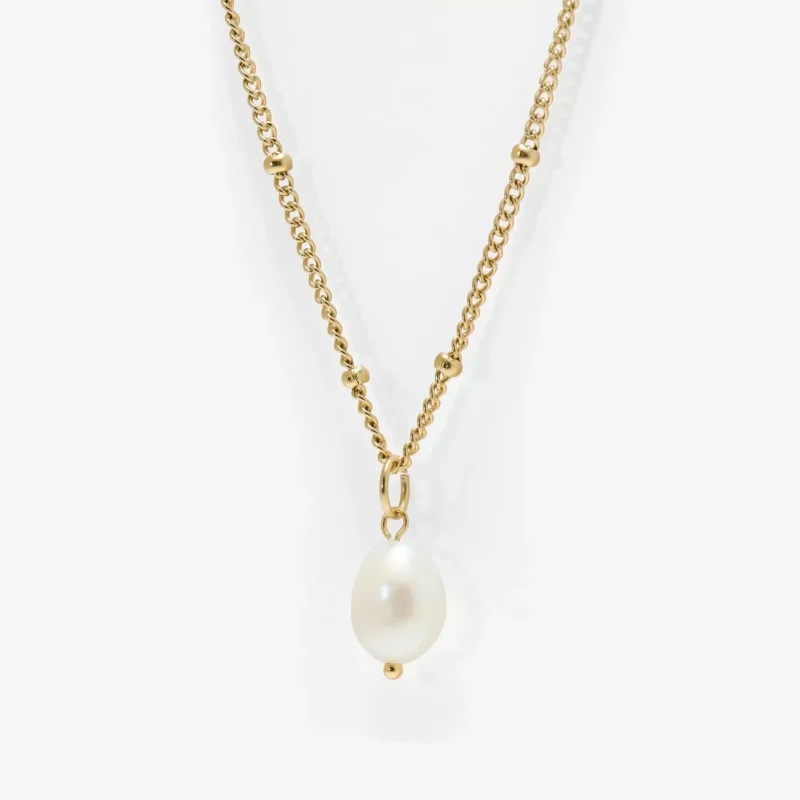
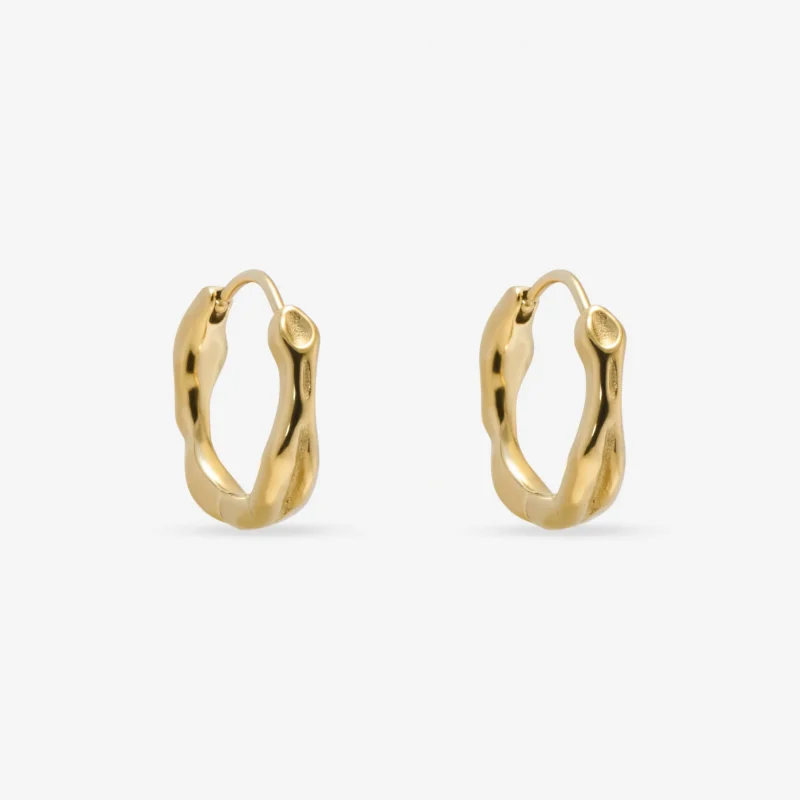
The Baroque Pearl Necklace sits in pearl's quietly classic register, soft enough for everyday wear and right at a wedding, which makes it one of the easier pieces to wear anywhere. Molten Hoop Earrings hold a moderate, intentional scale that reads as considered at work and as elegant at an occasion, while staying calm. Both are made in recycled stainless steel with a 14k gold PVD coating, so they are waterproof, tarnish-free and hypoallergenic, which suits pieces meant to be worn often.