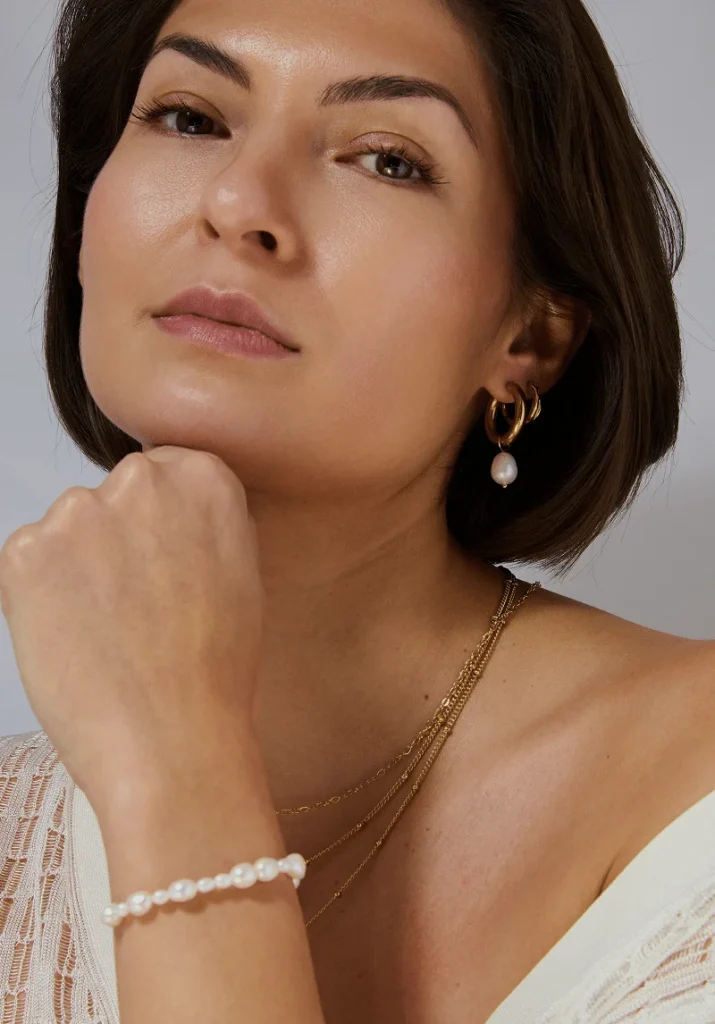


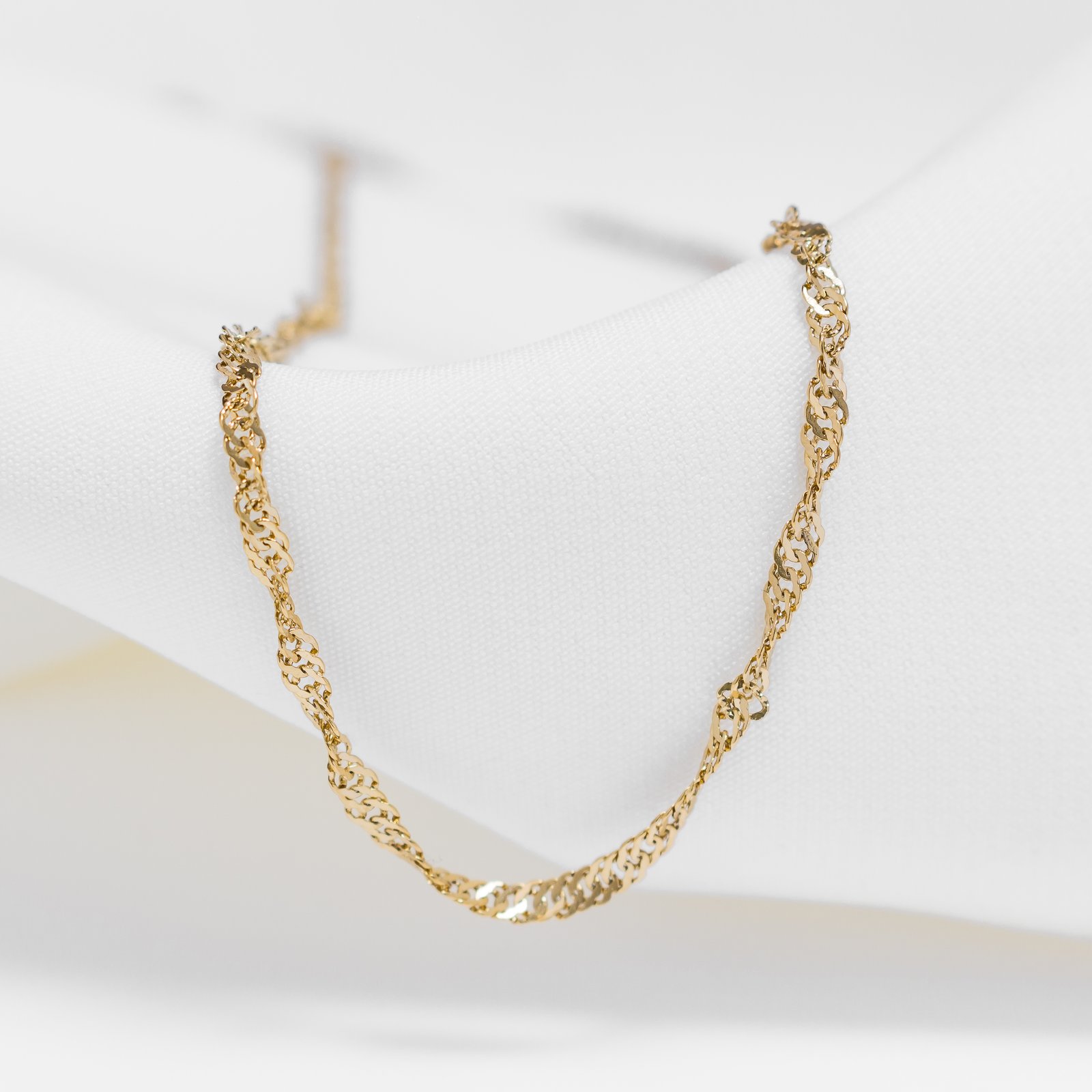
You find a necklace you love, check the description, and then pause at the word that always trips you up: nickel. If your skin reacts to it, shopping for jewellery can feel like a guessing game. The reassuring part is that plenty of metals are safe with a nickel allergy. Nickel allergy jewellery worth wearing comes down to nickel-free, hypoallergenic metals such as titanium, surgical or 316L stainless steel and high-karat gold, ideally with a sealed surface that keeps metal off the skin. This guide explains why nickel causes trouble, which metals to look for, and how to shop so you can wear pieces every day without the itch.
Why does nickel cause an allergic reaction?
Nickel is the most common metal contact allergen, which is why it sits behind so many jewellery reactions. When skin that is sensitive to it stays in contact with nickel for long enough, the immune system responds and the result is redness, itching, dryness or small bumps where the metal touched. The reaction can show up within hours or build over a day, and it tends to be worse where warmth and moisture are involved, such as earlobes, the back of the neck and the wrist.
The catch is that nickel hides in places you might not expect. It is common in cheap alloys and is often used as a base metal beneath thin plating, so a piece can look like gold while a layer of nickel sits underneath. Once the plating wears, that base metal meets the skin. Knowing this makes shopping much easier, because you can focus on metals that contain little or no nickel and on surfaces that stay sealed with wear. It also explains why a piece can seem fine at first and turn uncomfortable months later: the surface has worn enough to expose the metal beneath, and the skin has had repeated contact long enough to react.
What jewellery can you wear with a nickel allergy?
With a nickel allergy you can wear jewellery made from nickel-free, hypoallergenic metals: titanium, surgical or 316L stainless steel, and high-karat gold. These release very little, if any, of the metal that triggers a reaction, so they suit sensitive skin and everyday wear. Titanium is light and very low in reactivity. High-karat gold contains more pure gold and less alloy, which is gentler on the skin. Surgical stainless steel is hard-wearing and stands up to water and sweat, which makes it a practical choice for pieces you want to keep on.
A sealed PVD coating helps further. PVD, short for physical vapour deposition, bonds a fine layer of colour, such as 14k gold tone, tightly onto the metal beneath. Because that surface is sealed and stays put, it limits how much of the base metal ever touches the skin. Pieces made from recycled stainless steel with a 14k gold PVD coating pair a low-reactivity base with a sealed top layer, which is why they tend to work well for people who react to other jewellery. Our guide to jewellery for sensitive skin covers what to look for in more detail.
Is stainless steel jewellery nickel-free?
Surgical or 316L stainless steel contains a small amount of nickel, but it is bound tightly within the alloy and released in tiny quantities, which is why it is widely recommended for sensitive skin and used in medical settings. For most people with a nickel allergy, good-quality surgical stainless steel is comfortable to wear. Truly nickel-free metals such as titanium and high-karat gold are options too if your skin is especially reactive.
The quality of the steel matters. Well-made 316L stainless steel behaves very differently from the mixed alloys used in cheap fashion jewellery, where more nickel can come loose against the skin. A sealed PVD surface on top of stainless steel adds another barrier, so a coated piece keeps even that small amount of metal away from contact. When a description names the grade of steel and mentions a PVD finish, those are useful signs of a piece made with sensitive skin in mind.
How do you shop for nickel-free jewellery?
Read the metal description before anything else. Look for clear terms such as titanium, surgical or 316L stainless steel, high-karat gold, or a stated PVD coating, and treat vague labels like base metal or simply gold-tone with more caution. A maker confident about sensitive skin will usually say so plainly and name the materials. Where a listing only mentions plating over an unnamed base, the metal underneath is the unknown that may cause trouble once the surface wears.
Think about how a piece will live with you, too. Jewellery you wear through washing, exercise and weather needs a finish that holds up, since worn plating exposes whatever sits beneath. Waterproof, tarnish-free pieces in stainless steel with a PVD coating are made to stay sealed through everyday use. A short test is worth doing with anything new: wear the piece for a few hours at first, and see how the skin responds before committing to it as an everyday item. For more on keeping reactions away once you have chosen well, see our guide on how to prevent a jewellery allergy.
Can you still wear gold-tone jewellery with a nickel allergy?
Yes, as long as the gold tone sits on a skin-friendly base. The colour itself is not the issue; what matters is the metal underneath and how sealed the surface is. A 14k gold PVD coating over recycled stainless steel gives the warm gold look while keeping a low-reactivity base and a sealed top layer, so the gold tone you want and comfort for sensitive skin come together in one piece.
High-karat solid gold is another route, since higher karat means more pure gold and less alloy to react to. Whichever you choose, the principle holds: a gentle base metal and a surface that stays intact are what let you wear gold-tone jewellery comfortably with a nickel allergy. With those two boxes ticked, the daily worry about whether a piece will cause a reaction largely disappears.
Frequently asked questions
What jewellery can I wear with a nickel allergy?
Wear nickel-free, hypoallergenic metals such as titanium, surgical or 316L stainless steel and high-karat gold. A sealed PVD coating on top adds a barrier that keeps the base metal off your skin, which suits everyday wear.
Is stainless steel safe for a nickel allergy?
Surgical or 316L stainless steel holds its small amount of nickel tightly within the alloy and releases very little, so it is widely recommended for sensitive skin. A PVD coating on the surface keeps even that minimal contact away.
Can I wear gold-tone jewellery with a nickel allergy?
Yes, if the gold tone sits on a skin-friendly base. A 14k gold PVD coating over recycled stainless steel gives the gold look while keeping a low-reactivity base and a sealed surface, which suits a nickel allergy.
How do I know if a piece contains nickel?
Check the description for the named metal. Terms like titanium, 316L stainless steel, high-karat gold or a stated PVD coating are reassuring, while vague labels such as base metal or unnamed plating are worth approaching with caution.
When should I see a pharmacist or GP?
If a reaction is severe, spreads, or does not settle after you stop wearing a piece, ask a pharmacist or GP for advice. This guide is general information only and does not replace a professional assessment of persistent or worsening skin problems.
Related pieces
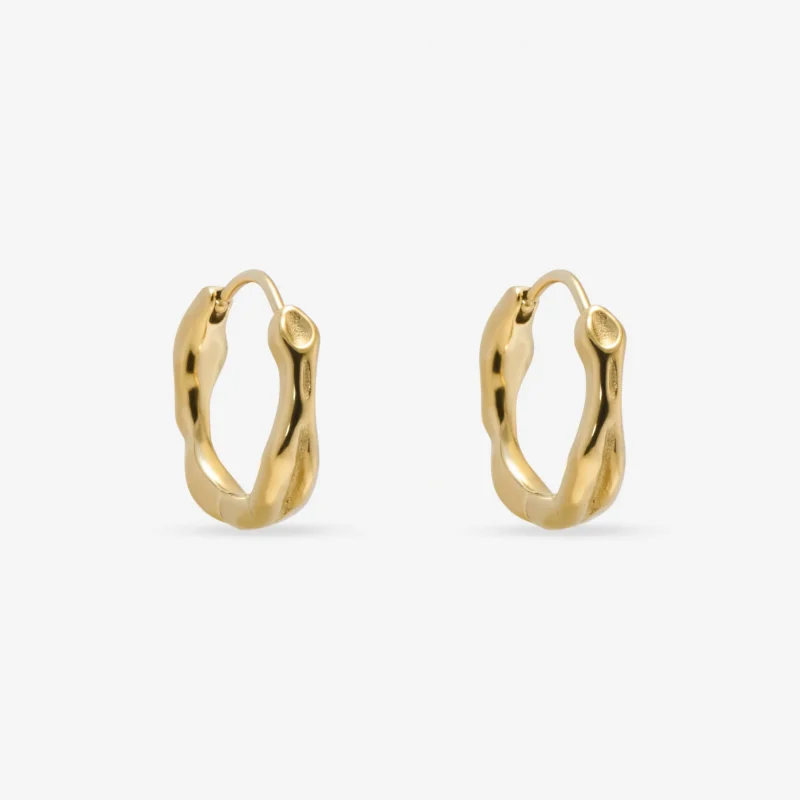
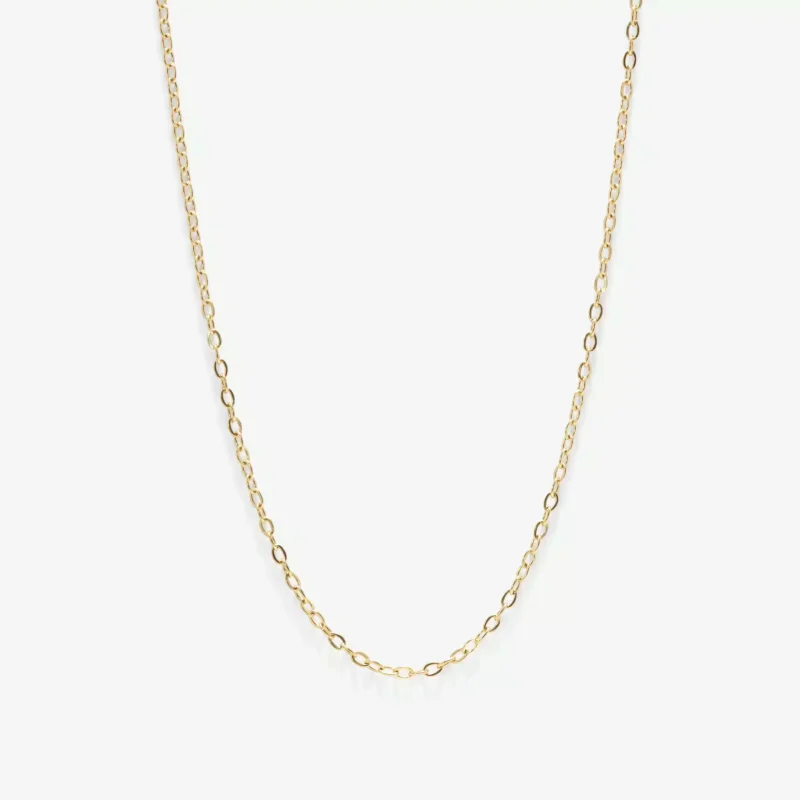
If you want gold-tone pieces that suit a nickel allergy, look for a skin-friendly base and a sealed surface. The Molten Hoop Earrings keep things light and close to the ear for comfortable everyday wear, and the Dainty Chain sits softly at the collarbone as an easy piece to keep on through the day. Both are made from recycled stainless steel with a 14k gold PVD coating, so they are waterproof, tarnish-free and skin-friendly, made to be worn every day.