

If your ears sting after a few hours in new earrings, or a necklace leaves a red line by the end of the day, you start reading labels more carefully. Gold has a calm, kind reputation, so a gold-plated piece feels like a safe choice. The honest answer is more layered than the shine suggests.
Is gold-plated jewellery hypoallergenic? Only as much as the metal underneath it. Plating is a thin layer of gold over a base metal, so the piece is as kind to your skin as that base allows. While the gold layer covers everything it is usually comfortable, but as the plating wears it can expose what sits beneath, and that is where reactions tend to begin.
What does hypoallergenic actually mean for jewellery?
Hypoallergenic means a material is less likely to cause an allergic reaction. It is a comparative term, not a guarantee, and for jewellery it usually comes down to one question: does the metal touching your skin release something your skin reacts to? For most people the trigger is nickel, a common cause of contact reactions.
A piece is hypoallergenic when the metal in contact with skin stays stable and releases very little. Solid surgical stainless steel and titanium earn the label because they hold their structure and keep reactive metals locked in. With plated jewellery, the label depends entirely on what the gold is covering, which is why two gold-plated pieces can behave so differently on the same skin.
Is gold plating safe for sensitive skin?
Gold plating can be comfortable while the layer is intact, because pure gold itself is gentle and rarely causes reactions. The difficulty is that gold plating is thin, often only a fraction of a micron on cheaper pieces, and it wears with daily contact, water and friction. While it covers the base completely, your skin meets gold and tends to be happy.
Safety depends on how long that cover lasts and what waits beneath it. A gold-plated piece on a reactive base may feel fine for a few weeks, then start to bother you as the high-contact points wear through. For sensitive skin, the base metal matters more than the plating, because the base is what your skin eventually meets. The thicker the gold and the kinder the base, the longer a plated piece stays comfortable.
Why can worn gold plating cause a reaction?
As plating thins and breaks at the edges and contact points, it can expose a nickel-containing base. Nickel is the most frequent cause of metal allergy, and even small amounts released against the skin can produce redness, itching or a rash in people who are sensitive to it. This is why a piece that was comfortable when new can turn uncomfortable months later.
Sweat, water and skincare speed the process along, because moisture helps reactive metals release ions that the skin absorbs. So a reaction to gold-plated jewellery is rarely about the gold at all. It is the base metal, revealed by worn plating, doing the irritating. The thinner the plating and the more reactive the base, the sooner this tends to happen, which is why earrings and clasps that sit against warm, damp skin often flare first.
Which finishes are safer for reactive skin?
A solid hypoallergenic base is the safest starting point. Surgical stainless steel and titanium are stable, hold reactive metals firmly, and stay consistent even as a piece ages, which is why they suit people with metal allergies. With these materials there is no thin layer to wear away and reveal something less friendly underneath.
A PVD-sealed steel finish is the other dependable option. PVD coating bonds gold colour into a stainless steel surface at a molecular level, giving a durable, tarnish-free finish over a base that is already low in reactivity. So even as the piece sees daily wear, your skin keeps meeting a stable, hypoallergenic surface, with no exposed reactive metal underneath. This gives you the warm gold look with the stability that calmer skin needs, and there is no thin gold layer that eventually wears away to expose something reactive. For a piece you wear daily, that consistency is the practical advantage, because the surface your skin meets on day one is the same surface it meets a year later.
How do you choose gold-look jewellery for sensitive skin?
Start with the base, not the colour. Look for pieces that name a hypoallergenic base such as recycled or surgical stainless steel or titanium, and treat unspecified gold-tone or fashion metal as a question mark. The makers who build for sensitive skin tend to say so plainly, because they know it is the first thing reactive wearers check.
Then think about wear. Earrings and everyday chains sit against skin for long stretches and meet sweat and water, so a durable, sealed finish earns its place here most of all. A 14k gold PVD coating on stainless steel gives the warm gold look people want with a surface that stays stable, and it keeps that look through showers and daily life. If a piece has bothered you before, note where it touched, since clasps and earring posts are common trouble spots. Buying from a maker who states the base metal and finish plainly removes most of the guesswork, because you can see before you order whether a piece is built on something your skin is likely to tolerate.
Does gold-plated jewellery always cause problems?
Plenty of people wear gold-plated jewellery for years with no trouble at all, so it is fair to say the answer depends on you and on the piece. If your skin is not sensitive to nickel, a plated piece on a typical base may never bother you, and the gold colour can last well with gentle care. The risk is highest for people who already react to metal, and for pieces with very thin plating over a reactive base.
A few habits make plated pieces last longer and behave better. Take them off before swimming, showering and the gym, keep them away from perfume and hand cream, and dry them after contact with water. None of this is needed with a solid hypoallergenic base or a PVD-sealed finish, which is part of why those builds suit people who would rather not think about it. If you know you react to metal, starting from a stable base saves the guesswork.
Frequently asked questions
Is gold-plated jewellery hypoallergenic?
It is only as hypoallergenic as its base metal. While the gold layer is intact it is usually comfortable, but as the plating wears it can expose a nickel-containing base and cause a reaction in sensitive skin.
Can gold-plated jewellery cause an allergic reaction?
Yes, usually from the base metal revealed as plating wears, not the gold itself. If that base contains nickel, it can trigger redness, itching or a rash once it meets the skin.
What is the most hypoallergenic gold jewellery?
Solid gold of higher purity, a solid hypoallergenic base such as surgical stainless steel or titanium, or a PVD-sealed steel finish in gold colour. These keep a stable surface against the skin.
Is PVD gold coating better than gold plating for sensitive skin?
Generally yes. PVD bonds the colour into a stainless steel surface and lasts longer than standard plating, so the stable base stays in contact with skin and is slower to wear through to a reactive metal.
How do I know if I have a nickel allergy?
Common signs are redness, itching or a rash where metal touches skin, often under earrings, watch backs or clasps. A doctor can confirm it with a patch test if you are unsure.
Related pieces
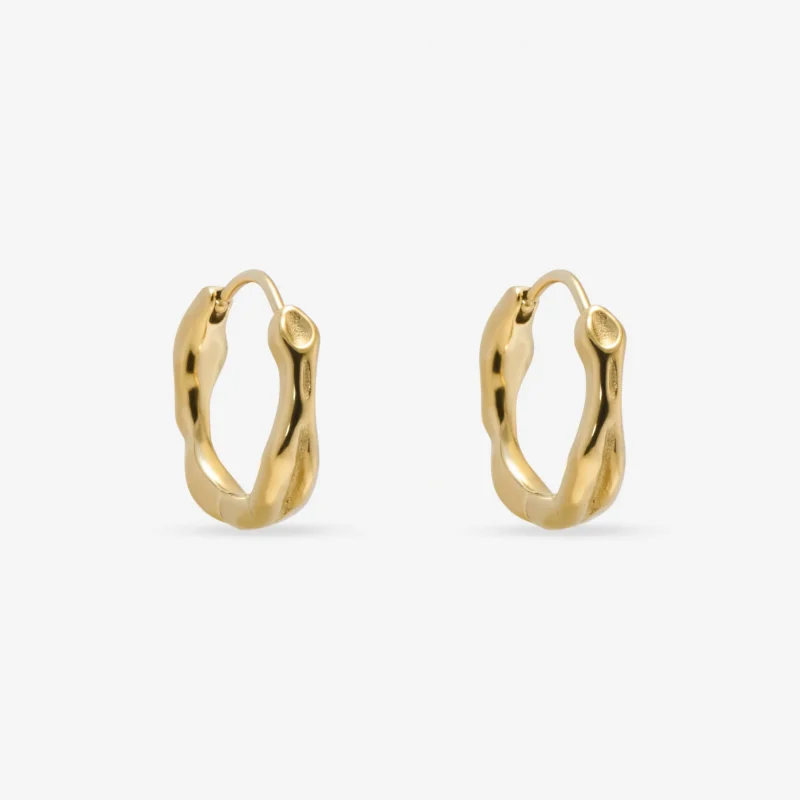
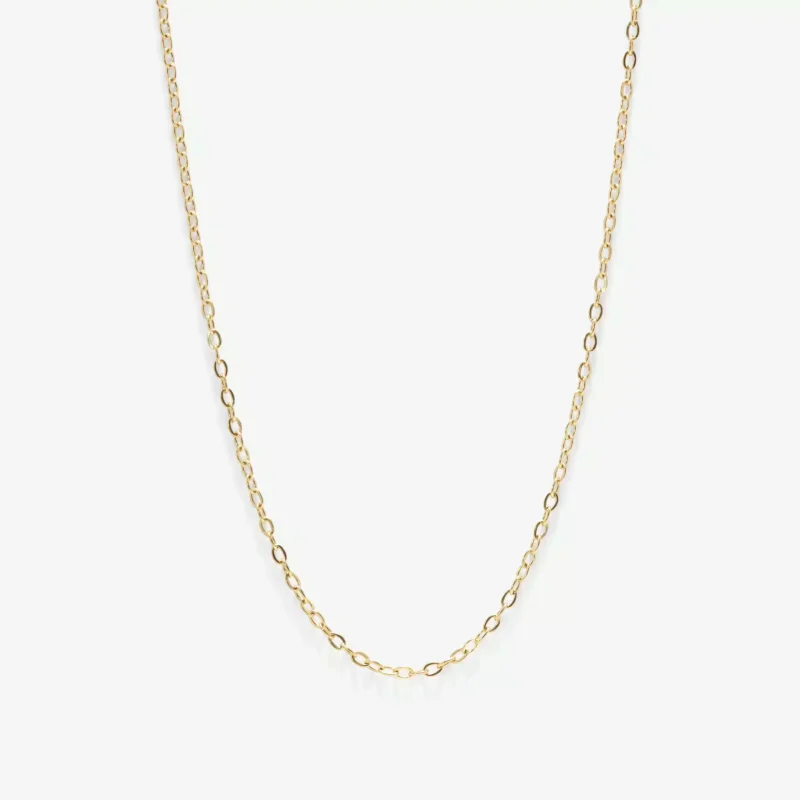
If you want earrings that stay comfortable all day, the Molten Hoop Earrings are made on a recycled stainless steel base with a 14k gold PVD coating, skin-friendly and waterproof, so the surface against your skin stays stable through daily wear. The Dainty Chain offers the same kindness for a piece that sits at the neck all day: a fine gold-tone chain built on a skin-friendly steel base that holds its colour and its comfort over time.