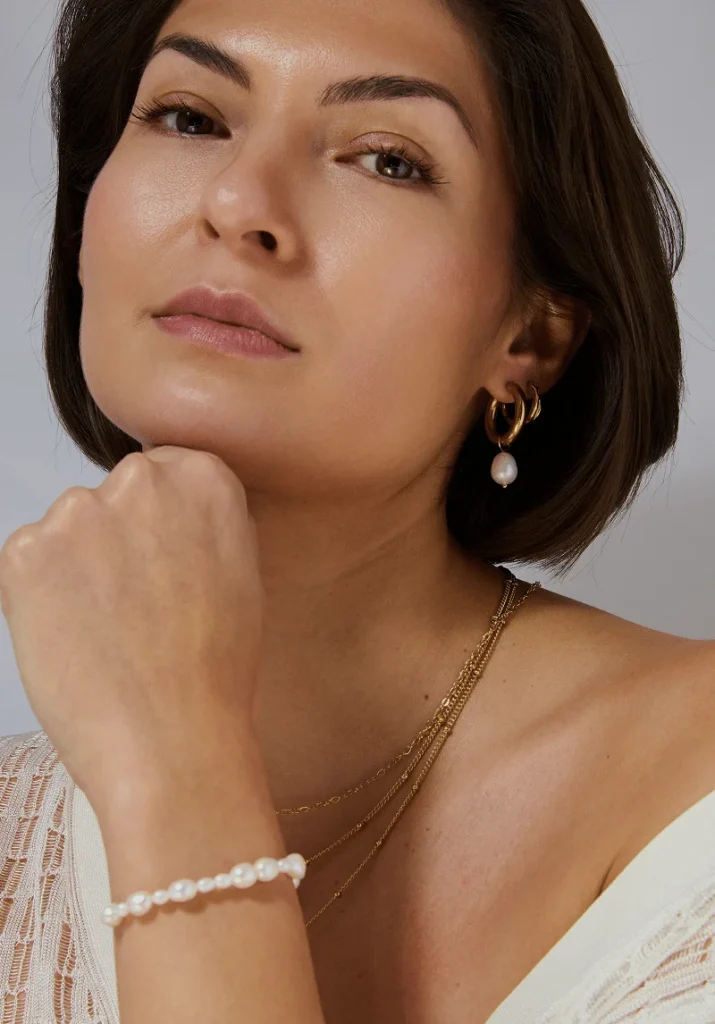


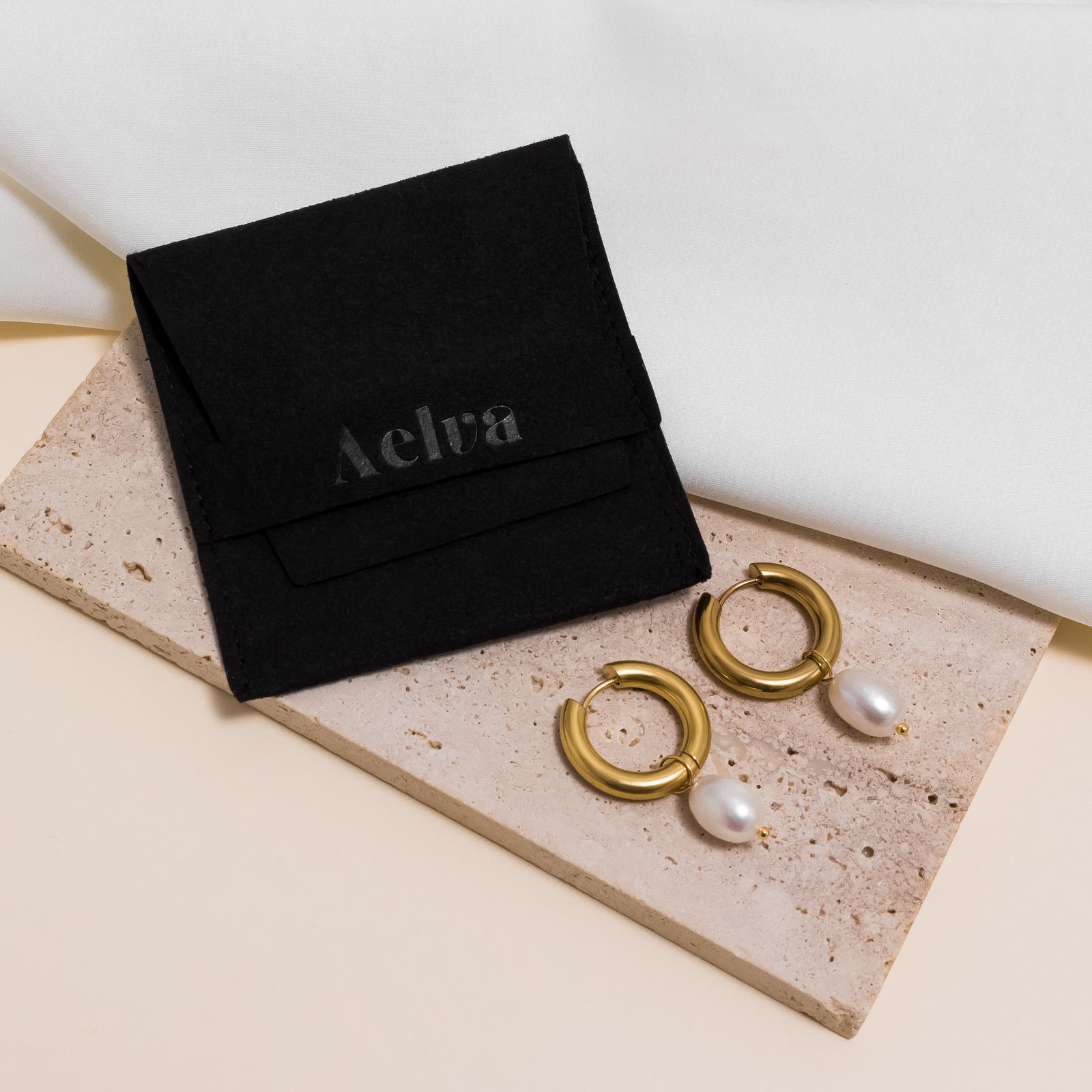
You know the feeling. A bracelet looks perfect the day it arrives, you wear it everywhere for a season, and then one morning the clasp gives up or the gold tone fades to something paler at the edges. Learning how to choose jewellery that lasts means looking past that first-day gleam and reading what sits underneath it. There are really only three things to check: the base metal, how the surface is finished, and how well the piece is put together. Once you can judge those in your hand, you can buy with quiet confidence that a piece will still be wearable years from now.
What makes jewellery last?
Jewellery lasts when a hard, stable base metal meets a finish that bonds to it and a construction that holds under daily stress. The shine you fall for in the shop comes from polish. The years come from the materials and the way the piece is engineered. Those are two different qualities, and a piece can have one without the other.
A bright, gleaming bracelet might still wear quickly if the metal is too soft or the clasp is poorly made. The reverse holds too. A plain piece in the right material, with a sound clasp, can take years of contact with very little visible change. Judging how long something will last comes down to reading the construction and the metal first, then treating the surface finish as the third part of the picture.
Which base metals hold up to daily wear
The base metal sets the ceiling for how long a piece can survive. Pure metals are too soft for jewellery on their own, so gold, silver and platinum are mixed with other metals to hold their shape under wear.
Solid gold is usually 18-carat, around 75 per cent gold, or 14-carat, about 58 per cent. The 18-carat balances durability against gold content, while 14-carat is harder and better suited to pieces that take a lot of contact. Sterling silver is 92.5 per cent silver with 7.5 per cent copper, which adds strength but makes it tarnish more readily in air. Stainless steel, typically 316L grade, is an iron and chromium alloy that resists corrosion and tarnish. It is harder and stiffer than the precious metals, so it scratches less and keeps its finish longer, which makes it well suited to pieces worn every day.
The logic here is mechanical. Harder alloys resist scratching, stiffer alloys resist bending, and the right choice depends on how a piece will be worn. A reactive base such as brass is softer and changes more readily once any protective layer thins, while a stable base keeps performing as the surface ages.
Why the surface finish matters as much as the metal
The finish decides how the colour holds, and the method used matters more than the colour itself. Plated jewellery carries a thin layer of precious metal over a base metal. Gold plating is often 0.5 to 2 microns, where one micron is a millionth of a metre. Worn daily, a thin plating rubs through at points of friction within months, and the base metal beneath is then exposed and tarnishes.
PVD coating works differently. In physical vapour deposition, metal is vaporised in a vacuum chamber and bonds to the surface at a molecular level, creating a hard, dense layer fixed tightly to the metal beneath. Because the bond is so strong and the coating so hard, even a thin PVD layer resists abrasion far better than a much thicker electroplated one. The same process is used on watch cases, surgical instruments and aircraft parts, where coatings have to survive repeated contact and cleaning. On stainless steel, a quality PVD finish typically holds for around two to five years of daily wear, where electroplating can fade within months. Gold-filled is another durable option: a thick gold layer, at least 100 microns, is bonded to base metal under heat and pressure, so it outlasts ordinary plating many times over.
How construction affects how long a piece lasts
The way a piece is assembled decides how long good materials actually serve you. A bracelet with a solid, well-engineered clasp can be worn daily for years. A weak clasp can fail in months even when the metal is excellent.
Clasps carry the most stress and often fail first. A lobster claw uses a spring mechanism, and if the spring is weak or the tolerances loose, it opens unexpectedly or works poorly. A well-made clasp uses hard stainless steel or gold alloy with precise tolerances. Solder joints are the next thing to check. A sound joint is as strong as the metal around it, while a poor one is brittle and cracks. Chain links matter too, because thin links concentrate stress at the joints, and thicker links spread it more evenly and keep their shape longer. Where stones are set, a bezel that surrounds the stone protects it more fully than prongs that can bend.
Weight is a useful first signal. A piece that feels substantial usually contains more material and has been built more solidly, though weight alone is only a guide and the structure should match it. A delicate chain carrying a heavy pendant is mismatched, and it will show strain at the join over time.
How to buy jewellery that lasts
Start by finding out what the piece is actually made from. In the UK, gold and silver above set weights must carry a hallmark from an assay office, giving the metal and its purity: 9ct, 14ct or 18ct for gold, 925 or 950 for silver. A hallmark on a piece sold as precious metal is essential verification, and its absence on something marketed as gold or silver is a warning sign. For everyday pieces, solid metal or a well-bonded coating such as PVD on stainless steel avoids the plating failure that ends most affordable jewellery early.
Then handle the piece. Run a fingernail lightly over the surface in a discreet spot, since immediate scratches or flaking suggest careless finishing. Work the clasp several times to feel whether it engages firmly without needing force. Check that links connect cleanly and that any solder joints are smooth. A simple test helps with design as well as durability: picture the piece in ten years and ask whether it will still be intact, and whether you would still want to wear it. Restrained, classical shapes tend to read well across the years, where a very trend-led silhouette can feel dated long before it wears out.
How to care for pieces so they last
A few small habits extend the life of almost any piece. Hand soap and water are fine, but take jewellery off before swimming, since chlorine reacts with metals, and keep it away from perfume, lotions and cleaning products, whose solvents degrade finishes. Pat pieces dry after they get wet and let them air dry fully before storage, because moisture lingering in crevices encourages corrosion.
Store pieces apart so they do not rub and scratch each other. A drawer divider or individual boxes works well, and an airtight bag slows tarnish on silver that is worn rarely. Wipe pieces gently with a soft microfibre or cotton cloth, which keeps them clean and gives you a chance to spot any loose setting early. Fine scratches and a soft patina on a piece worn for years are simply the record of a life lived in it. They sit apart from the dents and loose settings that signal a real problem worth taking to a jeweller.
FAQ
What makes jewellery last the longest?
A hard, corrosion-resistant base metal such as stainless steel or solid gold, combined with a well-bonded finish like PVD and a solid, precise clasp. Material quality, coating method and construction together decide how long a piece survives daily wear.
How long does PVD-coated jewellery last?
On stainless steel, a quality PVD finish typically holds for around two to five years of daily wear. Sound construction, such as solid clasps and secure links, affects how long the whole piece stays wearable.
Is plated jewellery worth buying for everyday wear?
Thin electroplating over a reactive base tends to wear through within months of daily use, so it suits occasional wear better. For everyday pieces, solid metal or a well-bonded coating such as PVD on stainless steel lasts far longer.
How can I tell if a piece is well made before buying?
Check for a hallmark on precious metals, feel the weight, run a fingernail over the finish for flaking, and work the clasp to see whether it engages firmly. Smooth joints and a consistent finish point to careful construction.
Related pieces
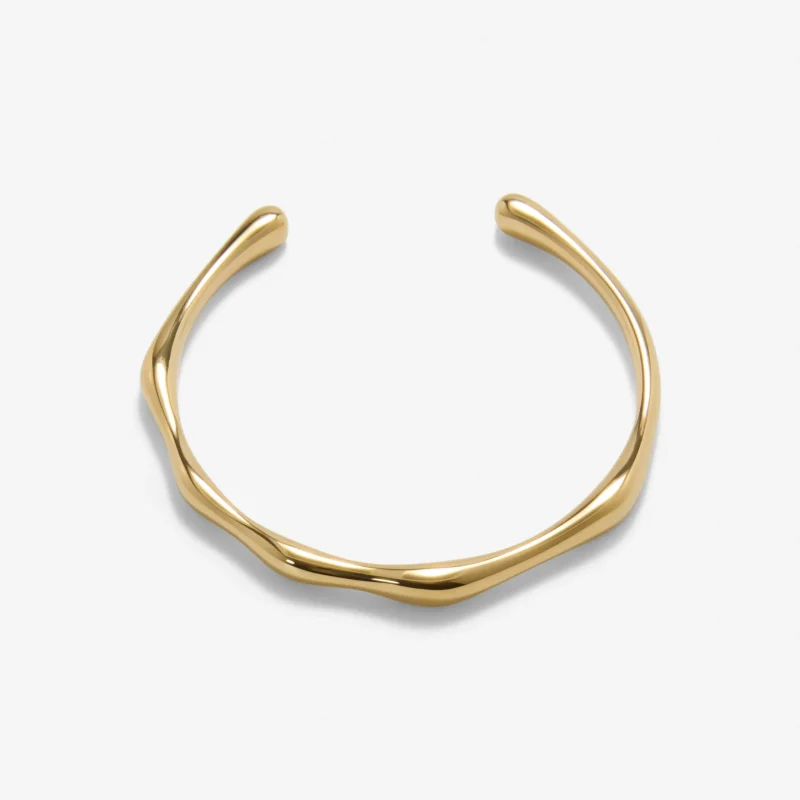
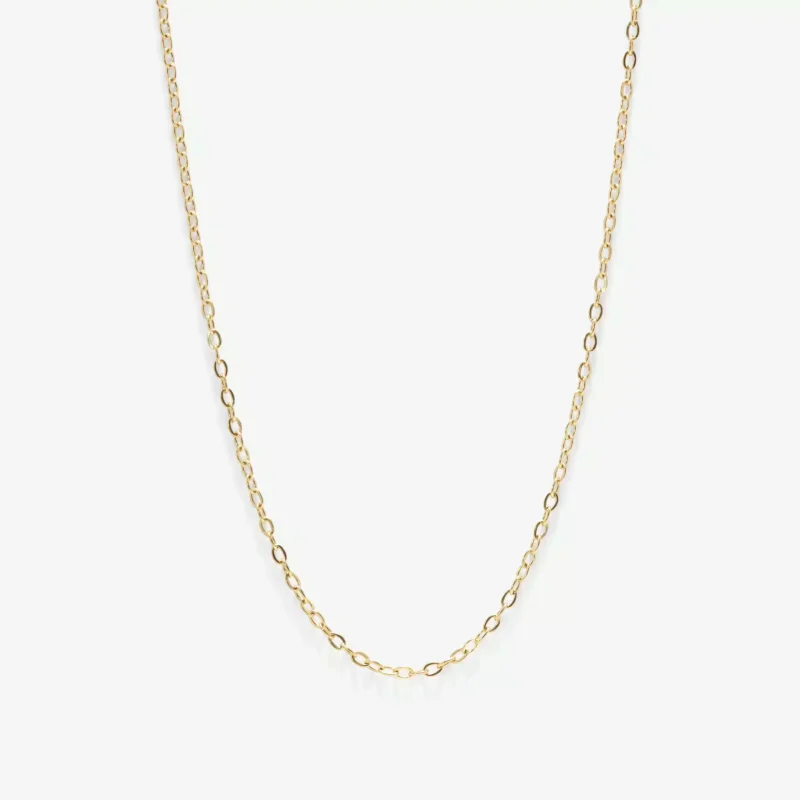
Pieces built for years of wear share the same foundations: a stable base metal, a bonded finish and a solid clasp. The Molten Bangle and the Dainty Chain are made from recycled stainless steel with a 14k gold PVD coating, so they hold their colour and shape through everyday wear, water and sweat. Both sit alongside our best sellers as starting points for a collection chosen to last.