

The piece in the shop window is a tenner, and it looks the part. It is hard to walk past. Is cheap jewellery worth it, though, once you account for the months ahead? For something you plan to wear often it is rarely the bargain it looks, because the low price at the till tends to be the start of the spending, with more to come. Price is the figure you pay once. Cost is everything you pay across the life of a piece, including replacements when it fails. In jewellery the gap between the two is often wide, and understanding it changes how you judge value.
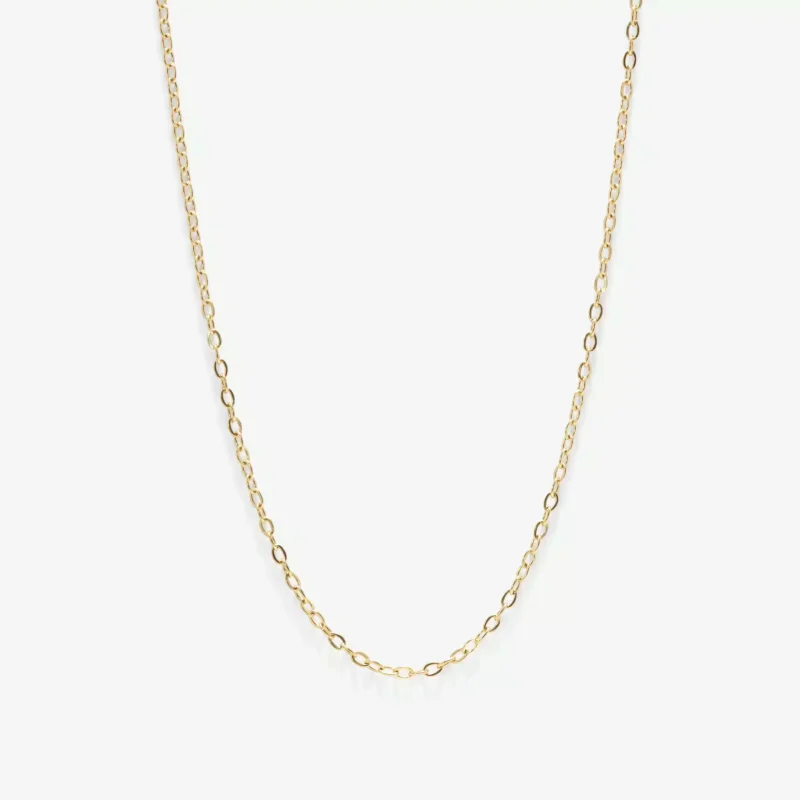
The difference between price and cost in jewellery
Price is what you pay at purchase. Cost is what you pay to own something over time, and the two are easy to confuse. A bargain piece looks cheap, yet if it needs replacing every few months the real cost climbs past that of a dearer piece that lasts for years.
Jewellery shows this clearly because the purchase price varies so much for pieces that do the same job. Two necklaces can look identical, one at twenty pounds and one at sixty, with the difference held in the materials and construction. The cheaper one may fail within months; the dearer one may last for years. Engineers use lifecycle cost analysis to weigh this, counting purchase, maintenance, repair and replacement on top of the sticker price. Applied to jewellery, the figure that matters is the cost per year of wear, and on that measure the cheaper option often loses.
Why does cheap jewellery cost more over time?
Cheap jewellery costs more over time because it is built to fail and then be replaced. The simplest way to cut the price is to use a cheaper base metal: a copper alloy, nickel silver, or a lower-grade stainless steel such as 304 in place of 316L. These corrode or tarnish more readily near water, sweat or humidity. Over that base goes a thin electroplated coating, often between 0.5 and 1 micron, which wears through at contact points within weeks. Once it breaks, the exposed base tarnishes and discolours quickly.
The joins are usually weak too. Solder joints that are not properly cleaned and filled create brittle points where corrosion starts and clasps snap under stress. Clasps themselves are often stamped from thin sheet metal, where a sound clasp would be cast or machined from solid, so springs lose tension and the clasp stops holding. When a cheap piece fails, repair rarely makes sense: a jeweller might charge forty to sixty pounds to mend a chain, more than the piece cost, so it is discarded and bought again.
Cheap vs quality jewellery: the long-term sum
A worked example makes the gap plain. Someone buys a brass necklace with electroplated gold coating for twenty pounds. The coating wears through within four months of daily wear. Repair would cost around fifty pounds, so they discard it and buy another for twenty. Across a year that is three necklaces and sixty pounds; across three years, a hundred and eighty.
Now take the alternative: a necklace in 316L stainless steel with a 2-micron PVD coating for sixty pounds. The coating bonds at a molecular level and resists abrasion far better, so after five years of daily wear it stays wearable. Over those five years the stainless steel piece costs sixty pounds. The cheap brass one, replaced every four months, costs three hundred. The durable piece costs a fifth as much across the period, despite a higher price at purchase. The maths sharpens if the cheap piece lasts only two months, and daily wear is exactly where cheap jewellery is least economical.
Is expensive jewellery worth it?
A higher price is worth paying when it buys genuine material and construction quality, and worth questioning when it buys mainly branding or presentation. Within a material category, a dearer piece often reflects better finishing, more precise construction and higher-grade alloys. The useful question is whether the price reflects the materials and the way the piece is made, or something else.
Solid metals and well-bonded coatings outlast thin plating, and that is where the value sits. Recycled stainless steel with a gold PVD coating reaches close to the durability of solid precious metals at a fraction of the cost, which is often the better-value path than simply spending more in the hope of a better result. A dearer piece that is expensive for its solid composition and careful construction will usually outperform one priced high for its label.
How to judge value before you buy
Inspect the base metal first. A label reading 316L stainless steel tells you the piece resists corrosion; brass or copper alloy tells you the base is vulnerable; no disclosure at all is a warning sign. Weigh it in the hand, since a heavier piece usually carries more material and a sturdier clasp. Look closely at seams, clasps and joints: smooth, even edges suggest care, while rough soldering and uneven coating point to rushed manufacturing.
Work the clasp several times to feel whether it sits solid or flexes and rattles, because the clasp takes the most stress of any part. Ask about the materials, the coating type and the coating thickness; a maker who can answer understands the product, and vague answers suggest durability was a low priority. Then compare the cost per year of expected use: a twenty-pound piece lasting four months works out at sixty pounds a year, while an eighty-pound piece lasting five years works out at sixteen. That single figure clarifies the trade-off better than the price tag alone.
The wider costs beyond money
Frequent replacement carries costs past the financial. A failed piece becomes waste, and cheaper jewellery feeds waste streams faster: replacing pieces yearly, where durable ones last three to five years, roughly triples the material heading to landfill, and the mining behind that material is resource-heavy in water, land and chemicals. There is a time cost too, in shopping for replacements, dealing with failed pieces and arranging repairs, where a reliable piece simply gets worn without thought.
There is an emotional side as well. A piece that fails and has to be thrown away is felt as a small loss, while one that lasts gathers meaning as you wear it through different periods of your life. Reliable possessions free you from a low background worry, and that quality-of-life benefit is documented in consumer research. If you plan to wear a piece daily for years, or it marks something that matters, spending more upfront on durability is the practical choice. Many people also keep pieces they like far longer than they expected, which makes durability the more economical bet even when it did not seem so at the till.
FAQ
Is cheap jewellery worth it?
For occasional wear or changing styles often, cheap jewellery can be fine. For a piece worn daily over years, it usually costs more in the long run, because thin plating over a reactive base wears through within months and the piece gets replaced repeatedly.
Why does cheap jewellery cost more over time?
It uses cheaper base metals and thin electroplating that wears through at contact points within weeks or months. Once the base is exposed it tarnishes, repair often costs more than the piece, so it is replaced again and again.
Is expensive jewellery worth it?
It is worth it when the price reflects solid materials and careful construction, and worth questioning when it reflects mainly branding. Solid metals and well-bonded coatings such as PVD on stainless steel outlast thin plating, which lowers the cost per year of wear.
How do I work out the real cost of a piece?
Divide the price by how many years it will realistically last. A twenty-pound piece lasting four months costs about sixty pounds a year; an eighty-pound piece lasting five years costs sixteen. Cost per year of wear shows the true value.
Related pieces
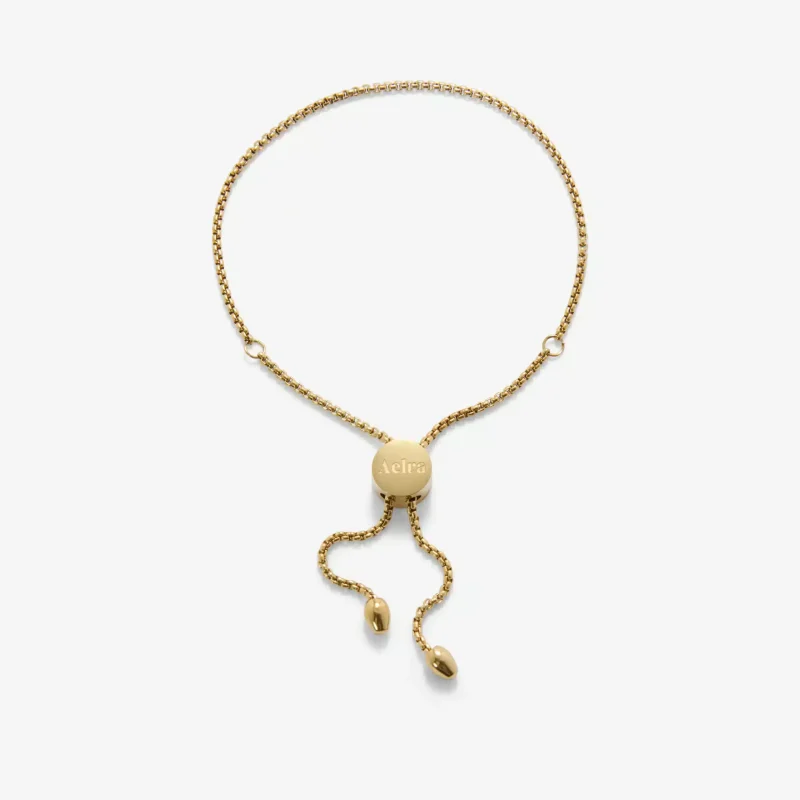
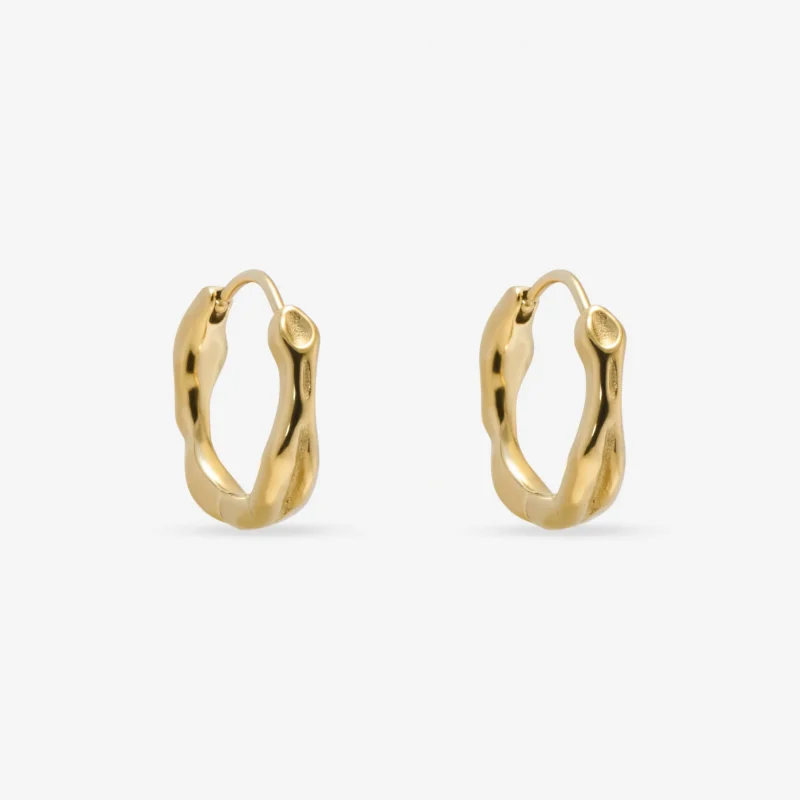
Value over time comes from a stable base, a bonded finish and a solid clasp. Our best sellers and the Dainty Bolo Bracelet are made from recycled stainless steel with a 14k gold PVD coating: waterproof, tarnish-free and hypoallergenic, built to hold their colour and shape through years of daily wear. Chosen this way, one piece worn for years works out cheaper than a string of replacements.