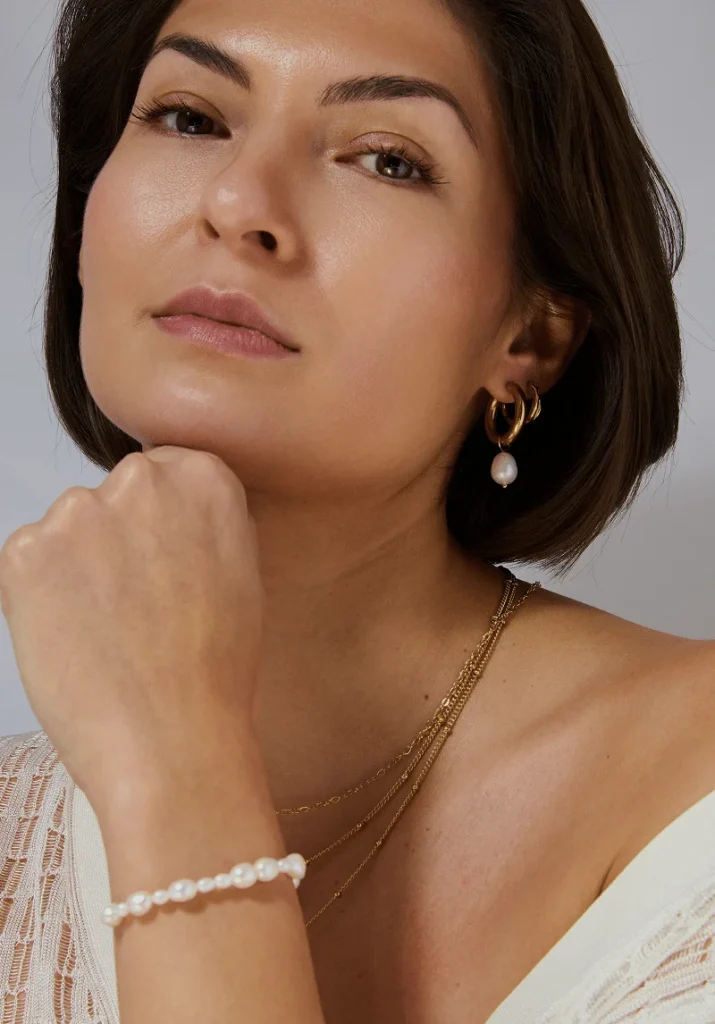


You are about to get in the water, and there is that pause: do you leave the necklace on the lounger where it might wander off, or risk the chlorine? Most of us have stood at the edge of a pool weighing it up.
The short answer is that you can wear jewellery swimming if the piece is genuinely waterproof, and you give it a rinse afterwards. Pool chlorine and sea salt are the real concern, and the type of jewellery you are wearing decides whether they matter or not.
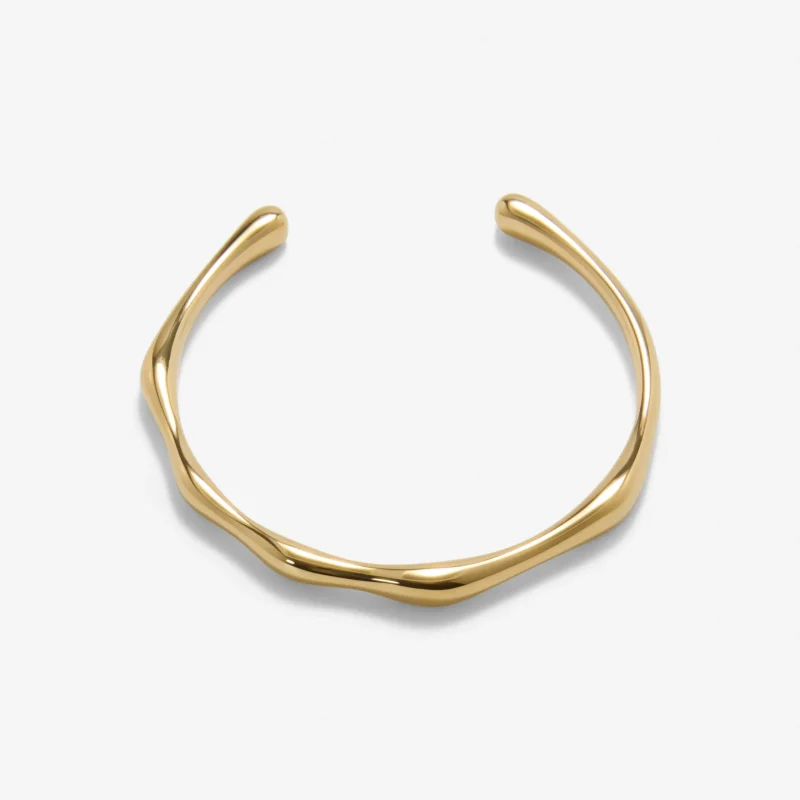
Can you wear jewellery swimming without damaging it?
It depends entirely on what the piece is made from. A waterproof, tarnish-free piece can go in the water and come out the same. Softer metals, plated finishes and pieces with glued stones or stretchy cords are the ones that struggle, since water works its way in and loosens or dulls them over time.
So the question is less about the swim itself and more about the material. If you are wearing a piece designed to be lived in, a dip in the pool or the sea is well within what it is built for. If you are wearing something delicate or plated, the towel is the safer place for it.
It is worth knowing the difference between water-resistant and waterproof, since the words get used loosely. Water-resistant usually means a piece can handle a splash or rain. Waterproof, in the sense used for everyday gold-tone jewellery, means it is made to be worn in water, including a swim, without the finish suffering.
Does chlorine damage jewellery?
Chlorine is the main thing to think about with pool swimming. It is a strong chemical, and over repeated exposure it can wear at plated coatings and dull soft metals. Costume and gold-plated pieces tend to show the effects first, which is why a lot of people take them off before they swim.
Waterproof pieces in recycled stainless steel with a 14k gold PVD coating handle chlorine far better, because the colour is bonded into the surface at a molecular level. The sensible habit either way is to rinse the piece in fresh water after a chlorinated pool and dry it, so nothing is left sitting on the surface.
Can you wear gold jewellery in the sea?
Salt water is the other one to watch. The sea is salty and abrasive with sand, and that combination can be hard on jewellery, especially anything plated or with delicate detail. The salt itself does not vanish when you get out; it dries on the surface and keeps working unless you rinse it off.
With a waterproof gold-tone piece, a swim in the sea is fine as long as you treat it the same way you would after a pool: rinse off the salt water with fresh water and dry it before it goes back on or into a bag. That simple step does most of the work of keeping the colour and shine.
Sand is the quiet extra factor at the beach. It is abrasive, and grains can lodge in clasps and links, so a proper rinse after a sea swim matters even more than after a pool. A few seconds under fresh water clears both the salt and the grit before either has a chance to settle.
Which jewellery is safe to swim in?
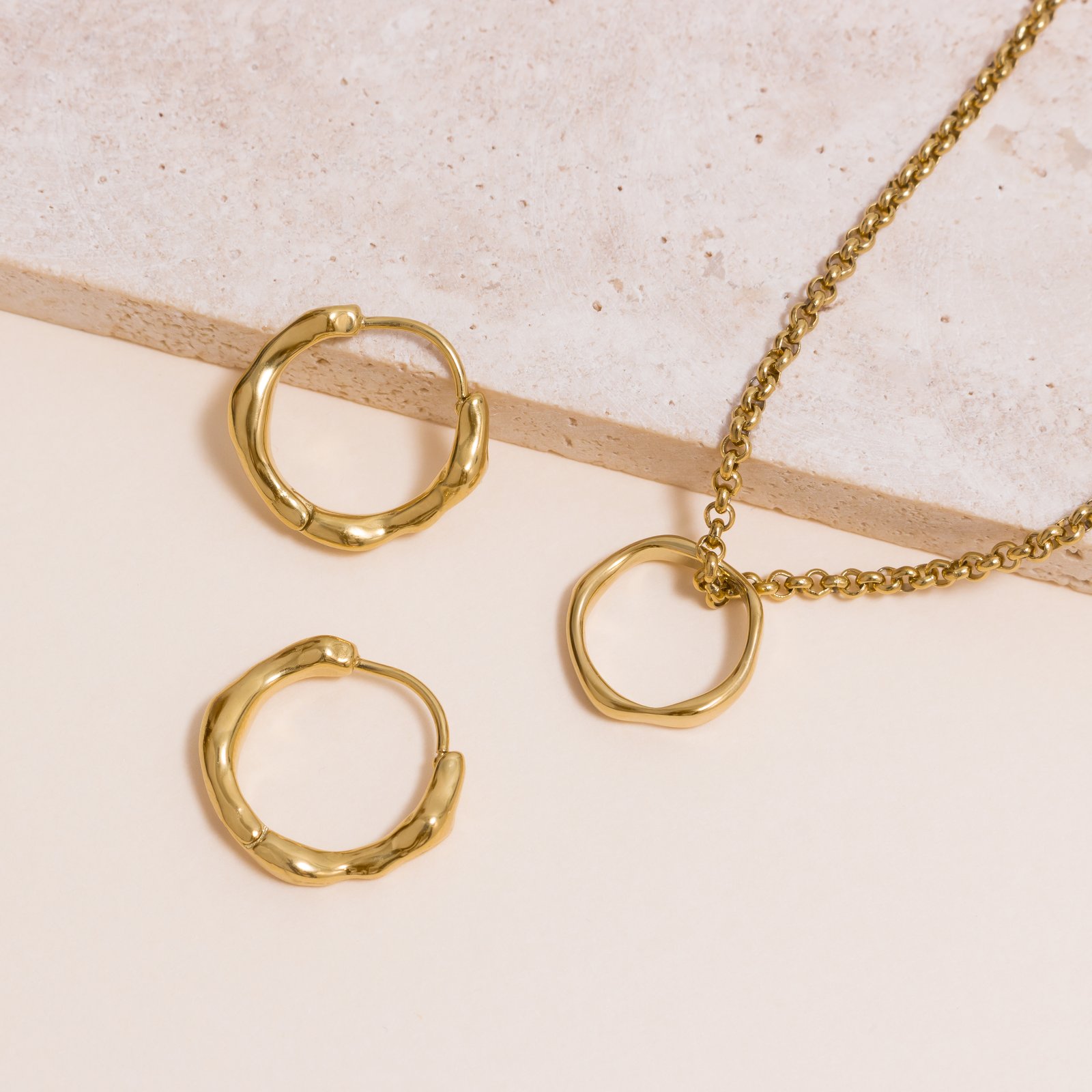
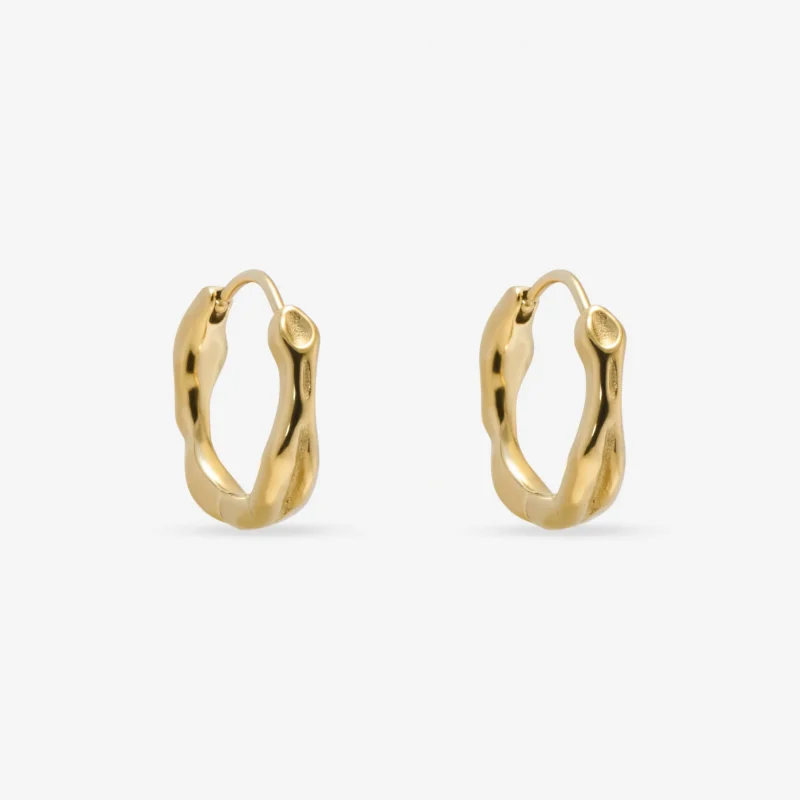
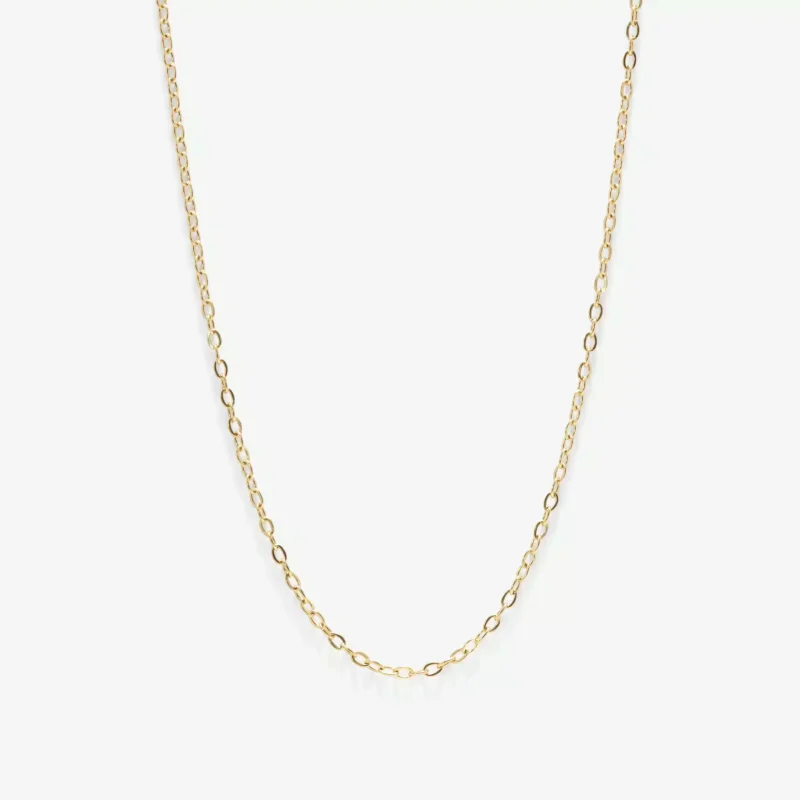
Stick to secure, simple pieces in a waterproof material. Studs and huggies stay put in the water, and a fine chain worn short is unlikely to catch or come loose mid-swim. The molten hoop earrings are a good example of a piece that holds its shape and finish through water, and a dainty chain does the same around the neck.
What to leave on the towel: long dangly earrings that can pull or slip, plated pieces that the water will gradually wear, and anything with a stretchy cord, glued stone or fragile clasp. Those are the styles most likely to come out of the water worse than they went in.
If you swim regularly, it is worth keeping a dedicated set of water-friendly pieces, the same way you might keep separate goggles or a swim cap. Knowing a particular chain and pair of earrings are made for the water takes the daily decision out of it, and your more delicate pieces stay dry and protected.
What should you do after swimming with jewellery on?
Rinse and dry, every time. Once you are out of the pool or the sea, hold the piece under fresh running water for a few seconds to clear chlorine or salt, then pat it dry with a soft cloth. Pay attention to clasps and links, since trapped moisture is what tends to cause problems over a long stretch.
This is the same care routine that keeps everyday jewellery looking good in general, so it is an easy habit to fold in. With waterproof pieces it is genuinely quick, and it is the single best thing you can do to keep a gold-tone finish bright through a summer of swimming.
Can waterproof jewellery really stay on in water?
It can, and that is the point of it. Waterproof means a piece is built to cope with water, sweat and heat without losing its finish, so it can stay on through a shower, a workout or a swim. A 14k gold PVD coating on recycled stainless steel keeps its colour because the gold tone is fused into the surface.
Heat fits into this too. Hot tubs, saunas by the pool and warm sea water are all within what a waterproof PVD piece can take, since the finish is water, sweat and heat resistant. That is what lets a single piece move from a morning swim to a warm afternoon without you thinking about it.
That said, waterproof is not the same as indestructible. Rinsing off chlorine and salt and drying the piece still matters, and it is worth avoiding the water with delicate or plated pieces that were not made for it. Used sensibly, a waterproof piece is one you can wear from the beach to dinner without changing it.
It is a small change of habit that makes a real difference over a holiday or a summer. Instead of packing jewellery away whenever water is involved, you wear it through the swim, rinse it at the tap and carry on. The pieces stay with you for the whole trip, which is exactly what everyday jewellery is meant to do.
That versatility is the real appeal of swimming-friendly jewellery. You can wear the same chain and earrings for a swim, a shower to rinse off, and then straight out for the evening, with only a quick dry in between. The piece keeps pace with the day instead of being something you pack away.
Frequently asked questions
Can you swim with jewellery on?
Yes, if the piece is genuinely waterproof and you rinse it in fresh water afterwards. Plated or delicate pieces are better left off before you get in.
Does chlorine ruin gold jewellery?
Chlorine can dull soft metals and wear plated finishes over time. Waterproof PVD-coated stainless steel copes with it well, especially with a rinse after the pool.
Can I wear my jewellery in the sea?
Salt water is fine for waterproof pieces as long as you rinse the salt off with fresh water and dry the piece afterwards. Take off plated or fragile styles first.
What jewellery is best for swimming?
Secure, simple pieces in a waterproof material, such as studs, huggies and a short fine chain. Avoid long drops, stretchy cords and glued stones.
Do I need to rinse jewellery after swimming?
Yes. A quick rinse in fresh water clears chlorine or salt, and drying it afterwards keeps the finish bright and stops moisture sitting in the clasps.
Related pieces
For pieces you can actually swim in, the Molten Hoop Earrings hold their shape and shine in the water, and a Dainty Chain worn short stays put for a swim and looks right afterwards. Both are recycled stainless steel with a 14k gold PVD finish, so a rinse and a dry is all they ask after a pool or the sea.