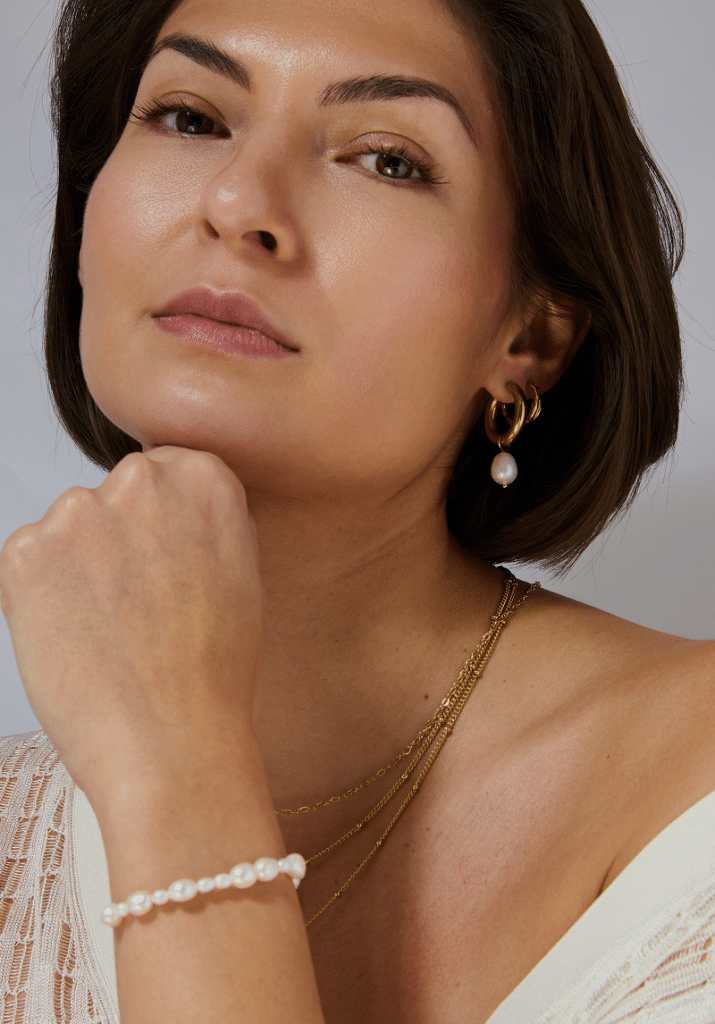


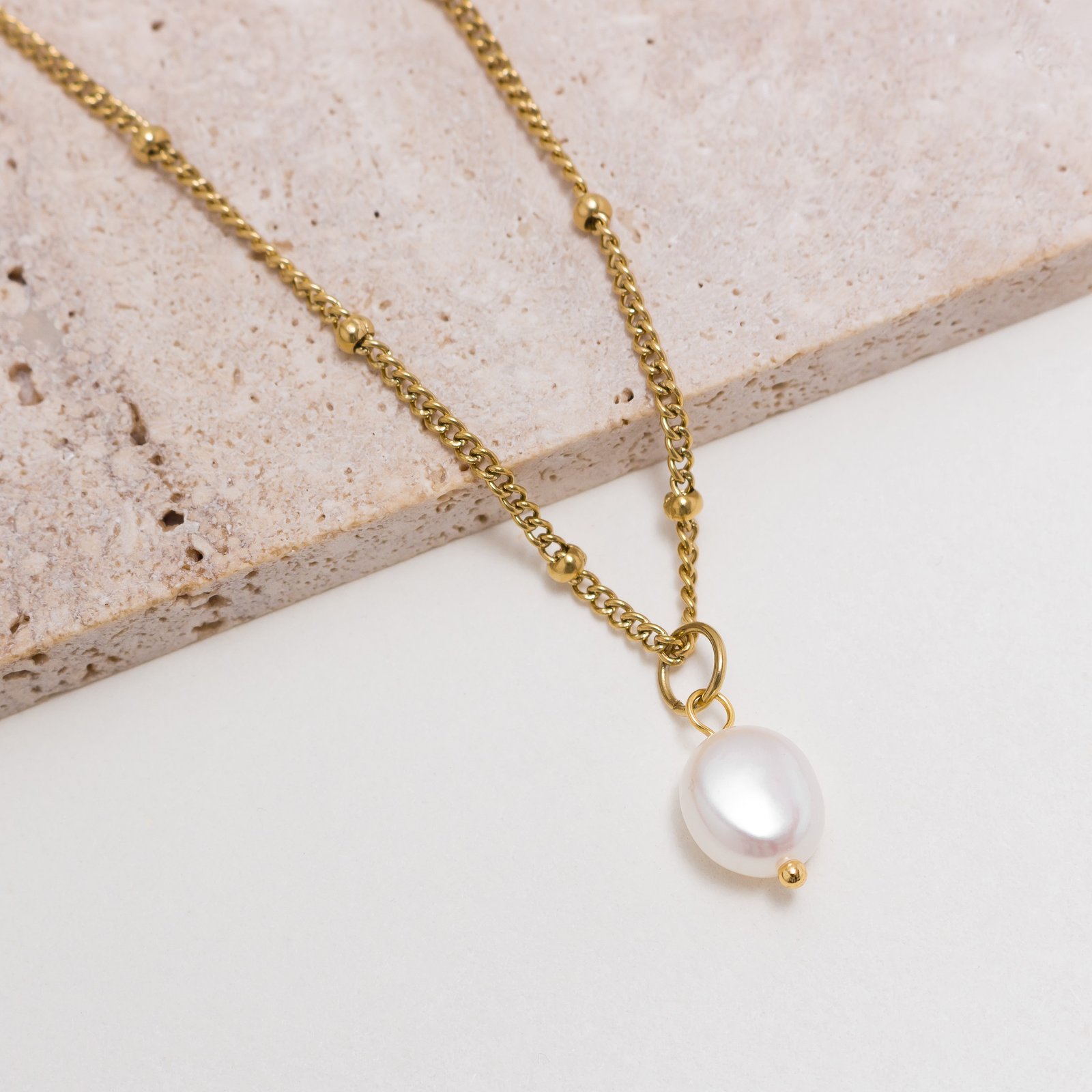
It is an easy phrase to put on a label and a hard one to pin down. You want to feel good about what you wear, but the word ethical gets stretched across everything from mining practices to packaging, and the shopping page rarely tells you which part it means. That gap is where good intentions tend to get lost.
Ethical jewellery describes pieces made with care for the people and the planet behind them, usually through recycled or responsibly sourced materials, fair working conditions and honest information about how they were made. Knowing what to look for matters more than the word itself, because the term is not regulated and anyone can use it.
What does ethical jewellery actually mean?
Ethical jewellery is a broad term for pieces produced with attention to their human and environmental cost. In practice it tends to cover a few things at once: where the metals and stones come from, how the people making the piece are treated, and how much waste and impact sit behind it.
Because there is no single legal definition, the word does a lot of work and explains very little on its own. A piece labelled ethical might be using recycled metal, or paying makers fairly, or simply printing a nice word on the box. The useful approach is to look past the label and at the specifics a brand is willing to share. Our guide to sustainable jewellery in the UK goes deeper on the wider picture.
It also helps to separate two ideas that often get blurred. Sourcing is about where materials and labour come from and how they are treated. Impact is about the footprint of making the piece, from mining to manufacturing. A genuinely ethical piece tends to address both, and a brand that only talks about one is usually telling you half the story.
Why do the materials matter so much?
Materials are where most of the impact sits. Mining new gold and other metals carries a heavy environmental and social cost, so the single biggest lever in jewellery is reducing demand for freshly mined metal. This is why recycled materials matter: using recycled metal means less new mining for the same piece.
Recycled stainless steel and recycled precious metals can be reclaimed and reused without losing quality, which makes them a sensible base for everyday jewellery. The recycled label here describes where the metal came from, and it carries no compromise in how the finished piece performs.
When you are weighing up a piece, the metal it is made from tells you more about its footprint than almost anything else on the product page. A recycled metal base is a concrete, checkable claim, and it is one of the clearest signals that a brand has thought about impact beyond the marketing copy.
Is durable jewellery more ethical?
Durability is one of the most overlooked parts of ethical jewellery. A piece that lasts for years quietly does a lot of good, because the most sustainable item is usually the one you do not have to replace. Jewellery that tarnishes, snaps or wears through in months ends up in a drawer or a bin, and then you buy again.
This is why construction deserves as much attention as sourcing. Solid clasps, well-finished chains and a finish that survives daily life all extend how long a piece stays in use. A waterproof, tarnish-free finish such as 14k gold PVD on stainless steel is designed to be worn and re-worn for the long term.
Longevity also changes the maths of a purchase. One well-made piece worn for years has a smaller footprint than a string of cheaper pieces bought and discarded over the same period. Our piece on what makes jewellery last looks at the details that decide longevity, from the metal to the clasp.
What questions should you ask before buying?
A few plain questions cut through most marketing. What is the piece actually made from, and is any of it recycled? How is it constructed, and is it built to survive everyday wear? Will it tarnish or react with my skin? And does the brand explain how and where it is made, or does it only gesture at being ethical?
Honest answers tend to be specific. A brand confident in its practices will tell you the materials, the finish and the care a piece needs. Look for recycled materials, durable construction and transparency about sourcing. Vague language and an absence of detail usually mean there is less to say than the label suggests.
It is also fair to ask what a claim leaves out. A brand might talk warmly about recycled packaging while saying nothing about the metal, which is where the real impact lies. The most useful information is about the piece itself, the materials and how it is made, more than the box it arrives in.
How do you spot genuinely ethical jewellery?
The strongest signals are concrete. Named recycled materials, a finish chosen for longevity, and clear information about how a piece is made all point to a brand that has thought beyond the label. Pieces designed to be worn for years, and to be worn again, fit the same picture.
It also helps to be wary of claims with nothing behind them. Treat invented-sounding certifications and round-number statistics with caution unless a brand can show the source. Honest brands tend to make modest, specific claims they can stand behind. Sweeping promises with no detail are the ones to question.
Genuine practice shows up in detail and consistency: the same care in the materials, the construction and the way a brand talks about its work. When the materials are named, the finish is built to last, and the language stays specific, you can usually trust that the ethical label means something.
Does ethical jewellery have to be expensive?
Ethical jewellery does not have to carry a luxury price. Recycled stainless steel, for example, is an affordable base metal that performs well and reduces mining demand, which makes responsibly made everyday pieces accessible at modest prices. Price and ethics are not tied together in any simple way.
What matters more than the figure on the tag is value over time. A durable, recycled-metal piece you wear for years can cost less per wear than a cheap piece replaced every season, and it keeps more out of the bin. Looking at cost this way tends to make the ethical choice the practical one too.
Frequently asked questions
What is ethical jewellery?
Jewellery made with care for the people and environment behind it, typically through recycled or responsibly sourced materials, fair working conditions and honest information about how it was made.
Is recycled jewellery ethical?
Recycled metals reduce demand for new mining, which lowers the footprint of a piece. Combined with durable construction and transparency, recycled materials are a strong sign of more ethical jewellery.
What should I look for in ethical jewellery?
Recycled materials, durable construction that lasts for years, and clear, honest information about sourcing and how a piece is made. Specifics matter more than the word ethical on a label.
Does durability make jewellery more sustainable?
Yes. A piece that lasts for years avoids the impact of being replaced. Longevity is one of the most practical forms of sustainability in jewellery.
How can I tell if an ethical claim is genuine?
Look for specific detail about materials, finish and construction. Be cautious of vague language, invented certifications and unsourced statistics, which often signal there is little substance behind the claim.
Does ethical jewellery have to be expensive?
No. Recycled stainless steel and other affordable materials make responsibly made everyday pieces accessible. Value over time often makes the durable, ethical choice the cheaper one per wear.
Related pieces
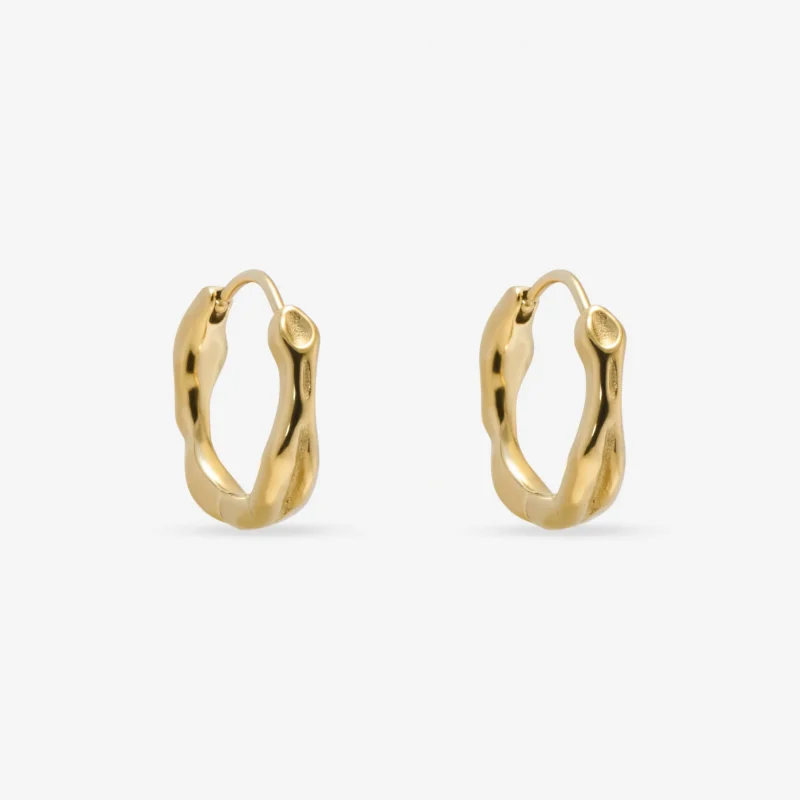
If you want everyday pieces made with these principles, our best sellers are built from recycled stainless steel with a 14k gold PVD finish: waterproof, tarnish-free, hypoallergenic and made to be worn for years, so one piece keeps doing its job season after season.
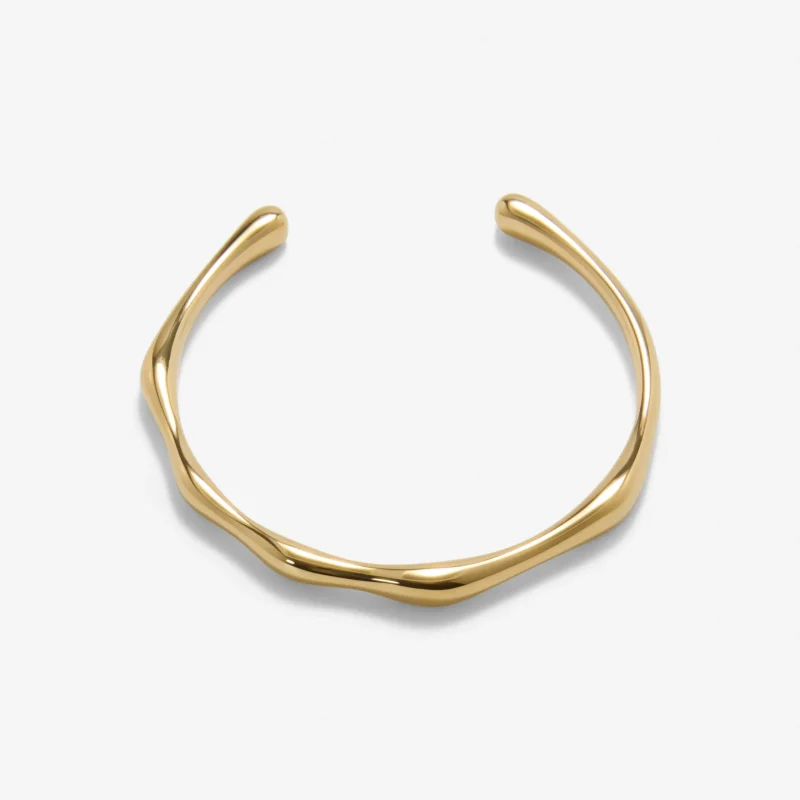
The Molten Bangle is a good example of durable everyday design, a smooth, solid form that keeps its colour through showers, workouts and ordinary wear, so it stays in use and out of the drawer.