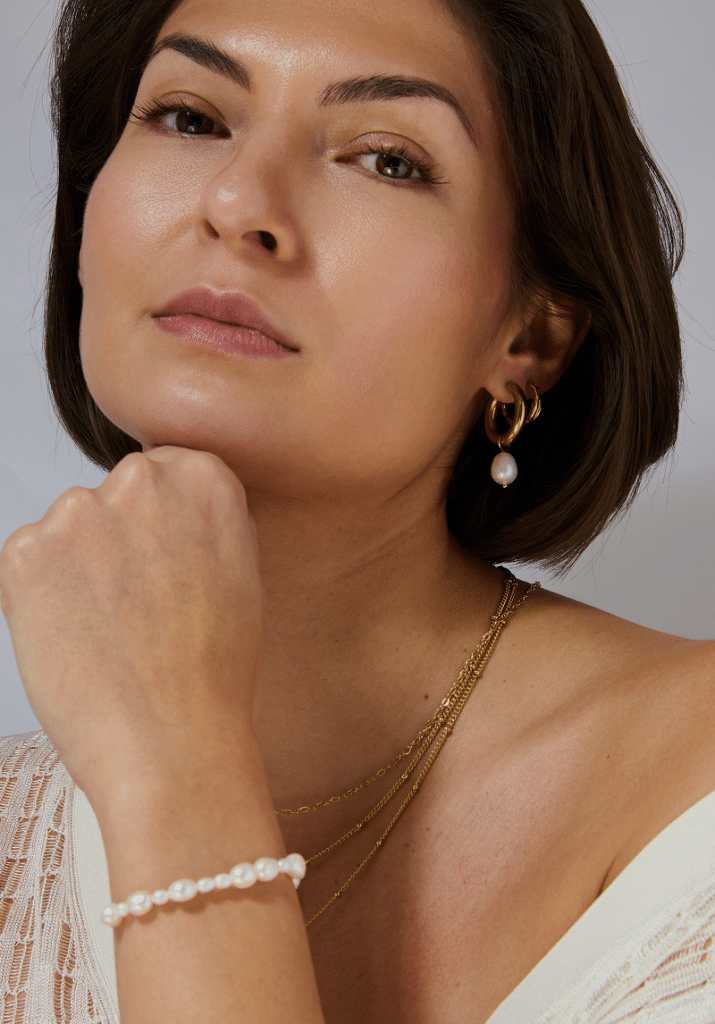


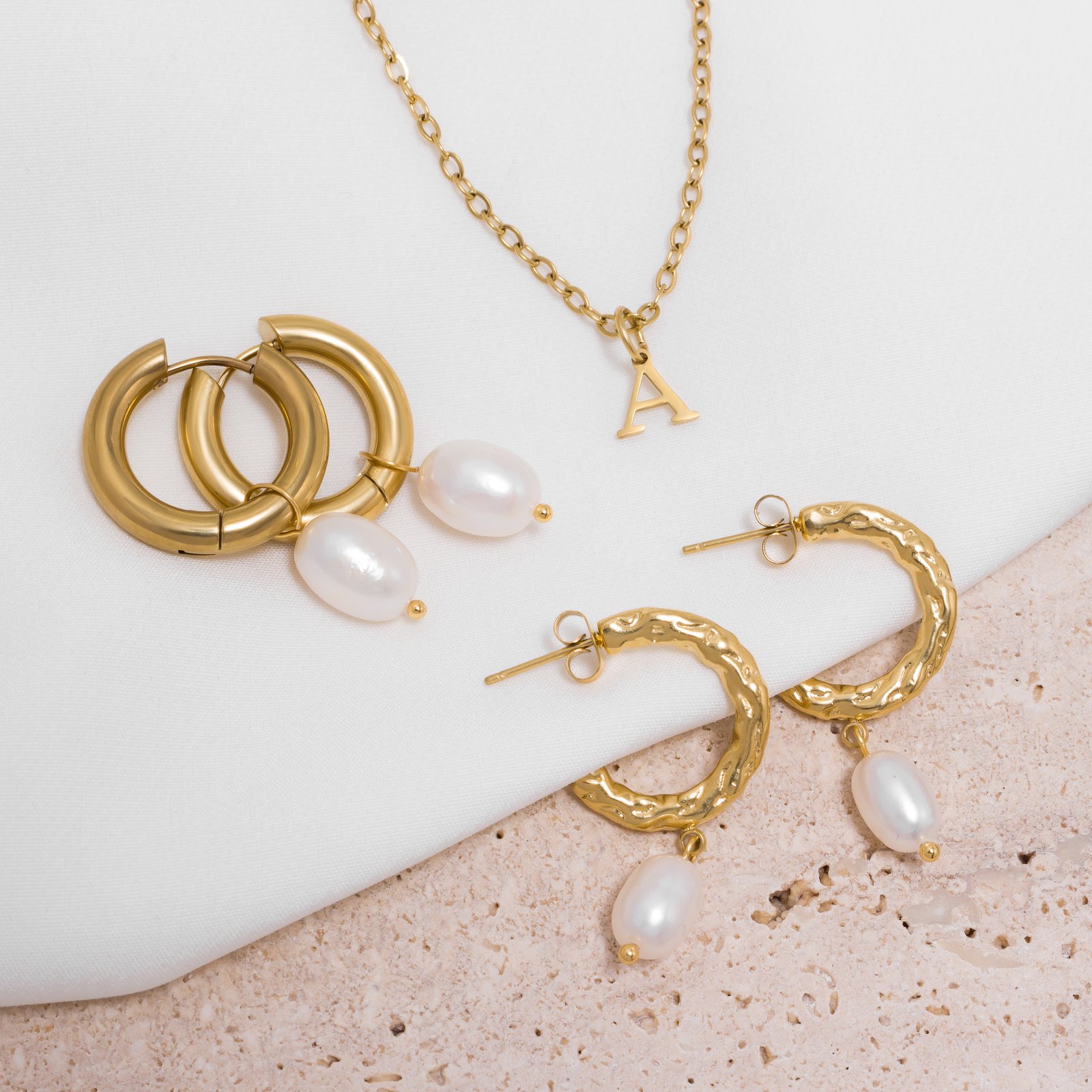
There is a particular disappointment in watching a gold piece you wear all the time slowly lose its shine. The colour dulls, the edges look tired, and a piece that felt special starts to feel worn out. With a few small habits, you can keep that bright gold tone for much longer.
Learning how to keep gold jewellery from fading comes down to three things: keeping it dry, keeping it away from perfume and friction, and storing it separately. Those simple steps protect plated gold from the everyday exposure that wears the finish down. PVD-coated stainless steel takes most of that worry away, because the finish resists fading by design.
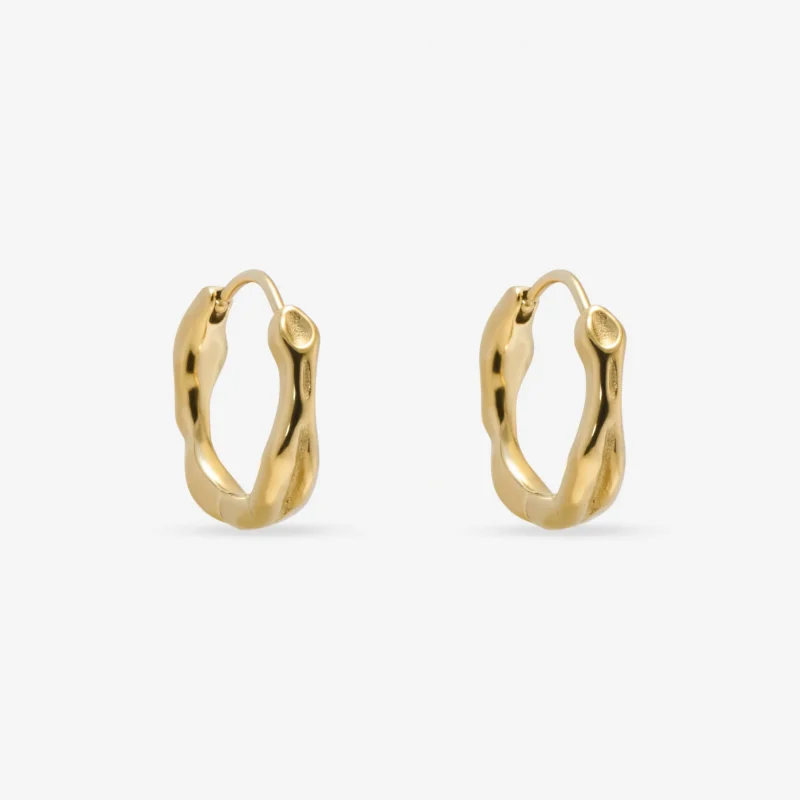
Why does gold jewellery fade in the first place?
Gold-plated jewellery fades because the gold is a thin layer over a base metal, and that layer gradually wears away with friction and exposure. Water, sweat, perfume, lotions and the natural oils on your skin all chip away at it over time, and the more a piece rubs against surfaces, the faster the colour goes.
This is why plated gold typically holds its finish from several months to roughly two years, depending on plating thickness and wear. The fading usually shows first at high-contact points, where the piece rubs most. Understanding what causes it makes the care routine make sense, because every habit below targets one of those causes.
It is worth saying that solid gold does not fade in the same way, because the colour runs all the way through the metal. Fading is a feature of finishes applied over a base, whether that is plating or a coating. So the question of how to keep gold from fading is really a question about protecting and choosing the finish on the pieces you wear.
How do you stop gold jewellery from fading day to day?
The single most effective habit is keeping gold dry. Take pieces off before showering, swimming, bathing or exercising, because water and sweat speed up wear on the finish. If a piece does get wet, give it a gentle pat dry with a soft cloth so the moisture does not sit on the surface. Drying matters because lingering water is one of the quiet causes of a dulled finish.
Make jewellery the last thing you put on. Apply perfume, moisturiser, sunscreen and hairspray first, let them settle, then add your gold pieces so the chemicals do not sit against the surface. This one change protects the finish more than almost anything else, since perfume and lotion are among the quickest ways to dull plated gold.
A useful way to build the habit is to give yourself a getting-ready order. Hair and make-up first, then perfume and moisturiser, then a moment to let everything dry, and jewellery last as you head out of the door. Reversing that order is one of the most common reasons gold dulls faster than it should.
Does friction make gold fade faster?
Yes. Friction is one of the main reasons plated gold wears, because every rub removes a tiny amount of the thin gold layer. Bracelets and bangles tend to fade faster than earrings or pendants, simply because they knock against desks, sleeves and other jewellery throughout the day.
You can reduce friction by taking pieces off for tasks that are hard on jewellery, such as washing up, gardening or working out. Wearing fewer pieces on the same wrist or stacking them loosely also limits how much they rub together, which keeps the colour looking fresh for longer. Even where you keep a piece on your body makes a difference, since a bracelet on your dominant hand will see far more knocks than one on the other side.
How should you store gold jewellery to prevent fading?
Storage protects gold while it is off your body. Keep pieces in a dry place, away from heat and humidity, ideally in a soft pouch or a lined box. Damp bathrooms are one of the worst spots for this, so choose a bedroom drawer or a dedicated box instead, somewhere the air stays dry and the temperature steady.
Store each piece separately so chains, bracelets and earrings do not rub or scratch one another. Individual pouches or the divided sections of a jewellery box work well. Keeping plated gold dry, away from perfume and friction, and stored on its own covers the three causes of fading at once.
A quick wipe also goes a long way. Running a soft, dry cloth over a piece when you take it off removes the sweat, oils and residue that would otherwise sit on the surface overnight. It takes seconds and keeps the finish cleaner between proper cleans, which means the gold tone stays brighter for longer.
What are the early signs gold is starting to fade?
The first sign is usually a subtle change in tone at the contact points, where the warm gold looks a little flat or starts to shift towards the colour of the metal beneath. On a chain it shows on the links that sit against the skin, on a bangle along the inner edge, and on earrings around the posts and hooks.
Catching it early gives you options. Tightening up your care routine and resting the piece can slow further wear, and a gentle clean often refreshes the look when the change is mostly surface residue and the metal beneath is sound. If a plated piece has worn back to the base metal, re-plating by a jeweller can restore it, though a longer-lasting finish avoids the cycle in the first place.
Which gold jewellery lasts longest without fading?
If you want gold that holds its colour with the least effort, the finish matters more than the upkeep. PVD coating bonds a gold colour onto stainless steel at a molecular level, which makes it far harder and more wear-resistant than traditional plating, and it resists fading by design.
In everyday terms, PVD-coated stainless steel keeps its colour far longer than plated gold, commonly several years of daily wear, and it copes well with water, sweat and heat. For pieces you want to wear and forget, a PVD gold finish over stainless steel gives you the look of gold with much less fading to manage.
That does not mean care stops mattering entirely. Even the hardest finish looks its best with a quick wipe and sensible storage. The difference is one of forgiveness: a PVD piece shrugs off the showers, workouts and rainy days that would slowly fade a thin plated layer, so an off day in your routine costs you far less.
Frequently asked questions
How do you keep gold jewellery from fading? Keep it dry, apply perfume and lotion before putting it on, limit friction, and store each piece separately in a dry pouch or box. These habits protect the finish from the things that wear it down.
Does perfume make gold jewellery fade? Yes. Perfume, lotion and hairspray contain chemicals that dull plated gold, so put them on first, let them settle, then add your jewellery last.
Why is my gold jewellery fading so fast? Thin plating, frequent water and sweat exposure, perfume and constant friction all speed up fading. High-contact pieces such as bracelets tend to show it first.
Can you stop gold plating from wearing off completely? You can slow it considerably with dry storage and careful wear, though plating is thin and wears in time. PVD-coated stainless steel resists fading far better and lasts much longer.
How should I store gold jewellery? Keep it somewhere dry and cool, away from humidity, and store each piece separately in a soft pouch or lined box so pieces do not rub together.
Does solid gold fade like plated gold? No. Solid gold carries its colour all the way through, so it does not fade the way a plated or coated finish can. Fading is a feature of finishes applied over a base metal.
Can faded gold jewellery be restored? Plated pieces that have worn back can often be re-plated by a jeweller, and a gentle clean can refresh a piece dulled by surface residue. A longer-lasting finish such as PVD avoids most of this in the first place.
Related pieces
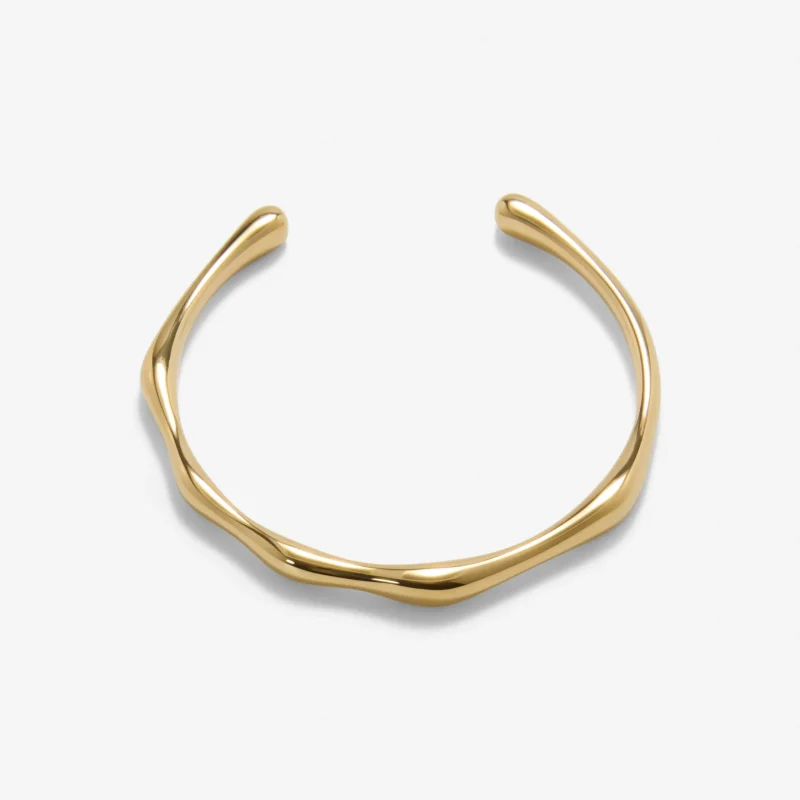
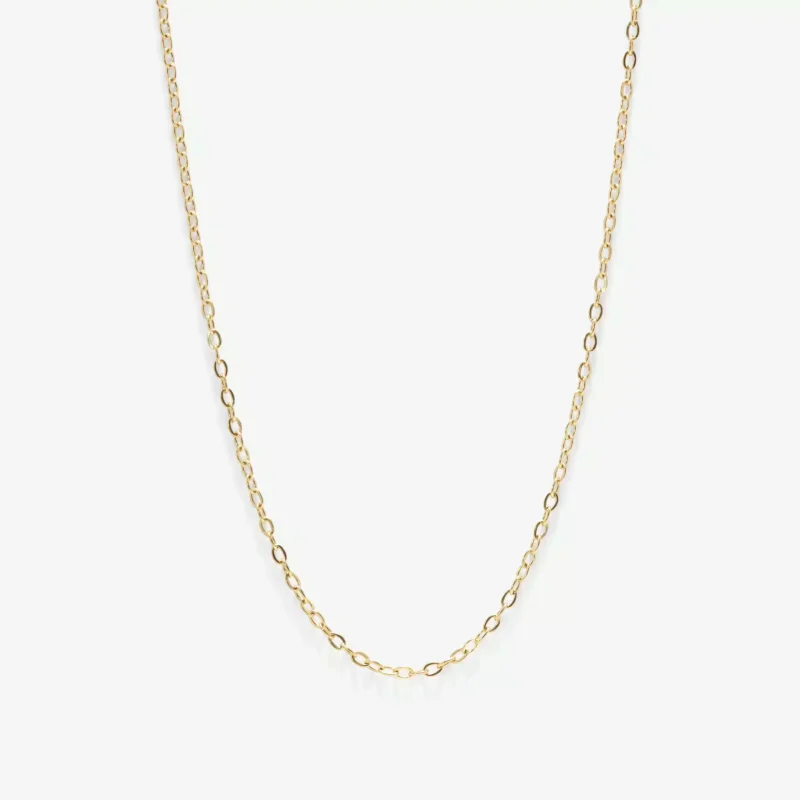
If you want gold-tone pieces that keep their shine through everyday wear, ours are built to hold their colour with very little fuss. The Molten Bangle brings a smooth, sculptural finish to a stack, and the Dainty Chain sits softly at the collarbone for daily wear. Both are made in waterproof, tarnish-free 14k gold PVD over recycled stainless steel, so the colour stays bright through water, sweat and heat.