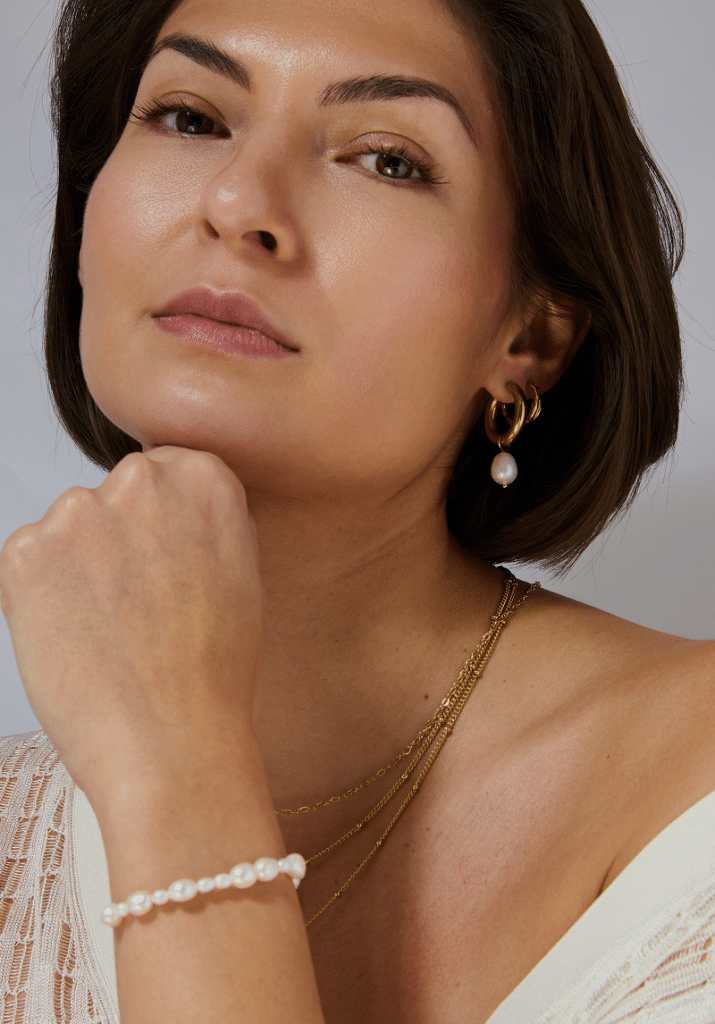



You are reading a product page, comparing two gold chains that look almost identical, and one is described as gold filled while the other is gold plated. The first costs more, and you want to know whether that buys you anything real. So, what is gold-filled jewellery? It is a base metal with a thick layer of real gold bonded to it under heat and pressure, where the gold makes up at least 5 percent of the total weight. That bonded layer is far thicker than the gold on plated pieces, which is why gold filled wears for many years and keeps its surface intact. It is one of the most durable gold finishes you can buy short of solid gold, and it usually carries a karat marking such as 14k gold filled. The marking tells you both the karat of the gold used and that the piece meets the legal weight threshold to be sold as gold filled.
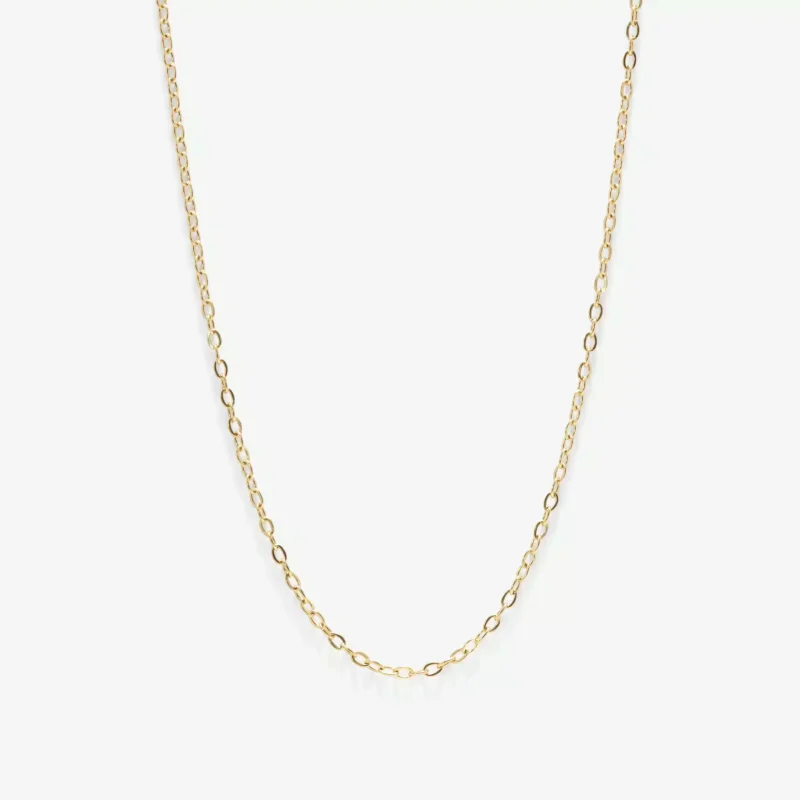
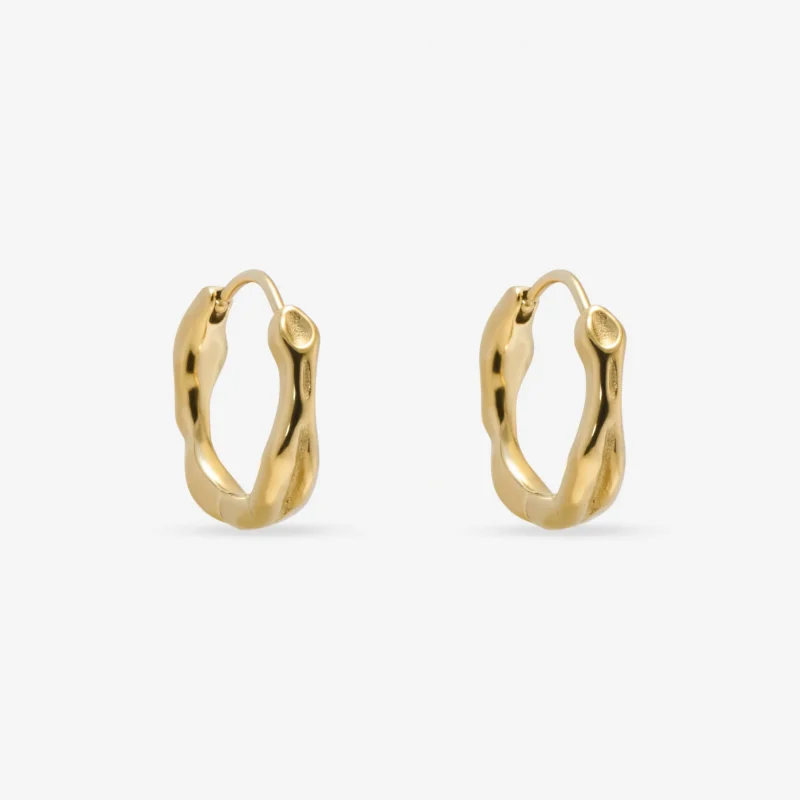
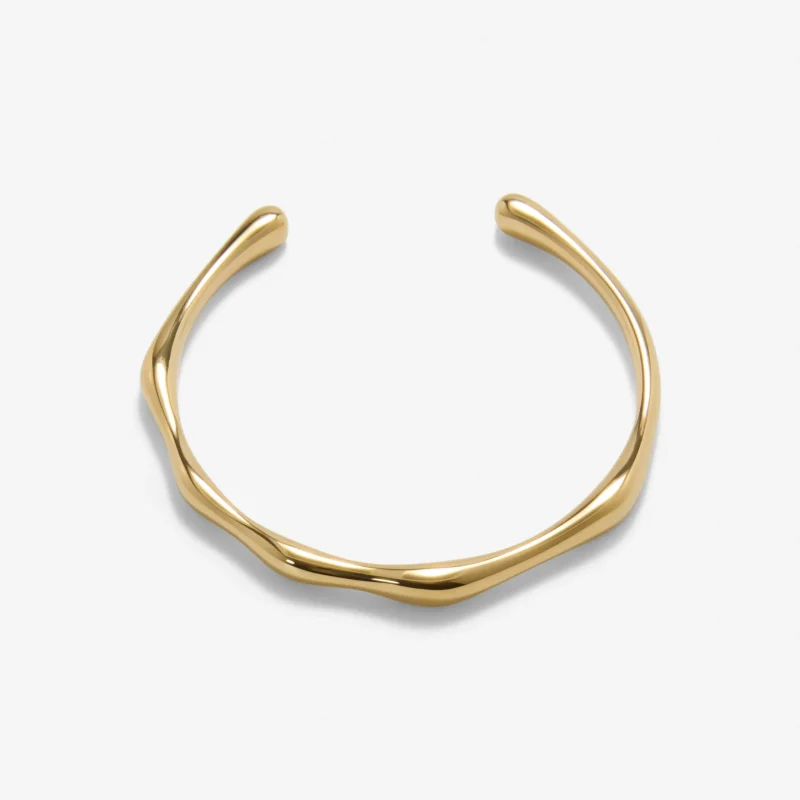
How is gold-filled jewellery made?
Gold-filled jewellery starts with a base metal core, often brass or another jeweller's alloy. A sheet of gold alloy is then bonded to that core using heat and pressure, which fuses the two into a single material. The piece is worked from there into chains, earrings or bracelets. The bond is mechanical and permanent, so the gold layer behaves as part of the piece. This is the key difference from plating, where the gold is laid on top by an electric current and held only by adhesion.
The 5 percent rule is the key number. To be sold as gold filled, the gold content must be at least one twentieth of the item's total weight, which is why you sometimes see the marking 1/20 14k. This is many times the gold found on a plated piece, and it is the reason the two wear so differently over the years. The figure before the fraction, such as 14k or 12k, tells you the purity of the gold layer, while the fraction tells you how much of it there is by weight.
Is gold-filled jewellery good?
Gold-filled jewellery is a good choice when you want the look and feel of solid gold at a lower price and you plan to wear the piece often. The thick bonded layer holds its colour through regular handling, and the surface stays intact where thin plating can lift in flakes. For many people it lasts long enough that interest in the piece fades before the finish does, which makes it a sensible buy for a chain or pair of earrings you expect to keep.
There are limits worth knowing. Gold filled costs more than plating or vermeil because of its higher gold content, so it is a larger outlay upfront. The base metal under the gold can still react if the gold layer is ever breached at a worn edge, though that takes years of hard wear to reach. It also tends to suit pieces kept out of frequent water, away from constant immersion. For a piece you want to keep and wear regularly, the durability tends to justify the price.
Gold filled vs gold plated: what is the difference?
The difference between gold filled and gold plated is the amount of gold and how it is attached. Gold filled has a thick gold layer bonded under heat and pressure, at least 5 percent of the weight. Gold plated has a thin gold layer, often under 0.5 microns, deposited by an electric current and held by surface adhesion. The plated layer is a fraction of the gold and a fraction of the toughness, which is why the two pieces can look the same on day one and diverge sharply over a year of wear.
In daily wear that gap shows quickly. A plated piece tends to wear through at clasps and contact points within months, exposing the base metal, while a gold-filled piece of similar shape keeps its colour for years. Plating still suits pieces worn occasionally, where it faces little friction and the low price makes sense. For a wider view of how the gold finishes line up, including vermeil, see how gold finishes compare, and for the durability case against plating, see PVD and gold plating compared.
Does gold-filled jewellery tarnish?
Gold-filled jewellery resists tarnish well and far outlasts plated pieces, because the thick bonded gold layer protects the base metal underneath for years. The gold itself does not tarnish. What you might see over a long time, and only if the layer wears at an edge, is some dulling where the base metal becomes exposed, which is uncommon in normal wear and usually takes years of steady use to appear.
Basic care keeps it looking right. Wipe it with a soft cloth after wear, keep it away from harsh chemicals, perfume and hairspray, and store it dry and separate so pieces do not scratch each other. Gold filled keeps its finish without re-plating, which is one of its quiet advantages over thin plated jewellery that has to be refreshed once it wears. Put your jewellery on last when getting ready, and you keep most products away from the surface.
Gold filled, vermeil or PVD: which to choose?
Choose gold filled when you want a long-lasting gold finish for regular wear and are happy to pay more upfront. Choose vermeil, which is sterling silver with a gold layer at least 2.5 microns thick, when you want a gold finish over a precious base for occasional wear. For everyday and waterproof wear, PVD-coated stainless steel is a hard-wearing route: the coating bonds into the metal at a molecular level and the steel base resists corrosion in water and sweat, so the piece copes with showers, swimming and sweat in a way the others are built to avoid.
A simple way to decide is to think about water and frequency. Pieces you wear most days and take into the shower are well served by PVD on stainless steel. Pieces you wear often while keeping out of water suit gold filled. Pieces saved for occasions can sit happily in vermeil. Matching the finish to the wear gives you the best value over the years, because the right finish for your habits is the one that still looks good long after purchase.
How can you tell if jewellery is gold filled?
The clearest sign is the marking. Gold-filled pieces carry a stamp such as 14k gold filled, 14/20 GF, or 1/20 14k, which states the karat of the gold and confirms it meets the weight threshold. Plated pieces tend to be marked simply gold plated, GP or GEP, or carry no metal disclosure at all. A maker who sells gold filled will usually say so plainly, since the term has a legal meaning that plating does not.
Weight and feel give a second clue. Gold filled has real substance to it because of the gold content and solid construction, where very light, hollow-feeling pieces are more often thin plating. If a listing is vague about the finish, ask directly, and treat an unclear answer as a sign to look elsewhere. The price is a guide too: gold filled costs more than plating for a reason, and a gold-coloured chain at a throwaway price is almost certainly plated.
Frequently asked questions
What does gold filled mean?
Gold filled means a base metal with a thick layer of real gold bonded to it under heat and pressure, where the gold is at least 5 percent of the total weight. It often carries a marking such as 14k gold filled or 1/20 14k.
Is gold filled good quality?
Yes. It is one of the most durable gold finishes short of solid gold, holding its colour through years of regular wear. It costs more than plating or vermeil because of its higher gold content, which is the trade-off for that durability.
Is gold filled better than gold plated?
For longevity, yes. Gold filled has many times the gold of thin plating and is bonded into the piece, where plating is deposited on the surface, so it lasts years while plating can wear through at contact points within months of daily wear.
Does gold filled tarnish?
The gold layer does not tarnish, and the thick bond protects the base metal for years. Dulling only appears if the layer wears at an edge after long, hard use, which is uncommon in normal wear. Gentle cleaning and dry storage keep it looking right.
Related pieces
If you want a gold finish made for daily and waterproof wear, suited to more than occasional use, our best sellers and the Dainty Chain are made from recycled stainless steel with a 14k gold PVD coating: waterproof, tarnish-free and hypoallergenic, with the colour bonded into the metal so it holds through years of everyday wear.