

There is a weight to a coin necklace that goes beyond the metal. A disc sitting at the chest looks worn-in even when it is new, as though it has already passed through a few hands. That sense of history is exactly what draws people to it, and it is older than any piece on sale today.
In jewellery, coin and medallion necklace meaning draws on ancient coin and talisman traditions, and the pieces are commonly associated with strength, heritage, protection and individuality. A coin was once currency, proof, or a charm worn against harm, and a medallion marked a person or a moment worth remembering. Those ideas carry through to the necklaces we wear now. Our guide to what jewellery symbols mean sets coins alongside the other motifs people wear for meaning.
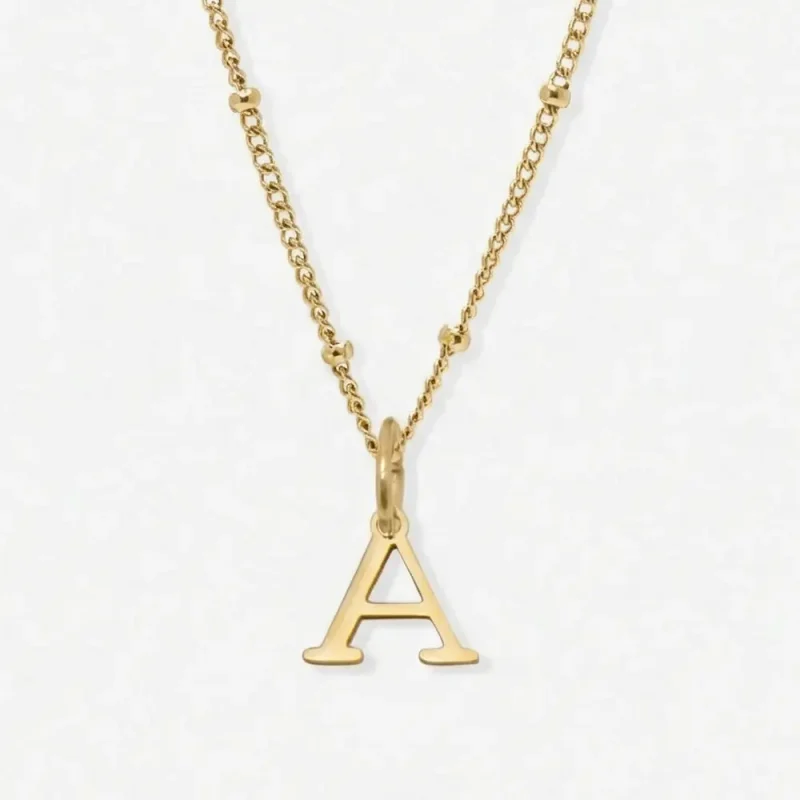
What does a coin necklace symbolise?
A coin necklace is most often associated with strength, heritage and individuality. The disc shape echoes the coins and talismans of the ancient world, which were carried for value, identity and sometimes protection, and that long history is part of what the necklace stands for today.
Because a coin once meant currency and proof, wearing one can suggest self-possession and a sense of your own worth, which is where the link to individuality comes from. Where the coin carries a face, a date or a symbol, it leans more towards heritage, a marker of where someone comes from or what they value. These are popular associations built on tradition, so the meaning a coin holds is largely yours to set.
Where does the coin necklace tradition come from?
Coins have been worn as jewellery for thousands of years. In the ancient Mediterranean and beyond, people pierced or set real coins to wear them, partly as a way of carrying wealth and partly for the images stamped on them, which often showed rulers, gods or protective symbols. A coin around the neck could mark status, travel or allegiance, and sometimes served as a charm in its own right.
That habit never really went away. Coin and medallion necklaces have returned in fashion again and again, each time carrying a little of the same association with heritage and identity. When you wear one now, you are wearing a very old idea, the small metal disc kept close, which is a large part of why the style feels grounded even in a modern, minimal form.
Different cultures have given the coin necklace their own slant over the centuries. Around the Mediterranean it has often been tied to family and good fortune, passed between generations as a keepsake, while elsewhere a coin or medallion has marked faith, service or a coming of age. Those varied uses all feed the same broad set of associations with strength, heritage and protection that the style carries today.
What is the difference between a coin and a medallion necklace?
The two are closely related and the terms often overlap, but there is a useful distinction. A coin necklace usually takes its cue from real currency, round, sometimes stamped with a face or numerals, and reads as something that might once have been spent or carried. A medallion is generally a little larger and made to be decorative from the start, often engraved with a symbol, a portrait or a motif.
In meaning, both draw on the same ancient coin and talisman traditions, so both are tied to strength, heritage and protection. A medallion tends to feel more ceremonial, the kind of piece given to mark an achievement or a person, while a coin reads as more everyday and lived-in. Many people use the words interchangeably, and the choice comes down to the look and weight you prefer at the chest.
Why are coin necklaces linked to protection?
The protective association comes from the talisman traditions that coin necklaces draw on. Across the ancient world, coins and coin-like discs were worn as charms believed to guard the wearer, sometimes stamped with a symbol or a deity meant to watch over them. The habit of wearing a small metal disc for safekeeping is very old.
That history is why a coin can feel like more than decoration. For some wearers it works as a quiet safeguard in the same spirit as other protective symbols, a piece kept close for reassurance. As with the evil eye and similar charms, this is a cultural and personal belief, but it is a large part of why coin and medallion necklaces have stayed with us for so long.
How do you style a coin or medallion necklace?
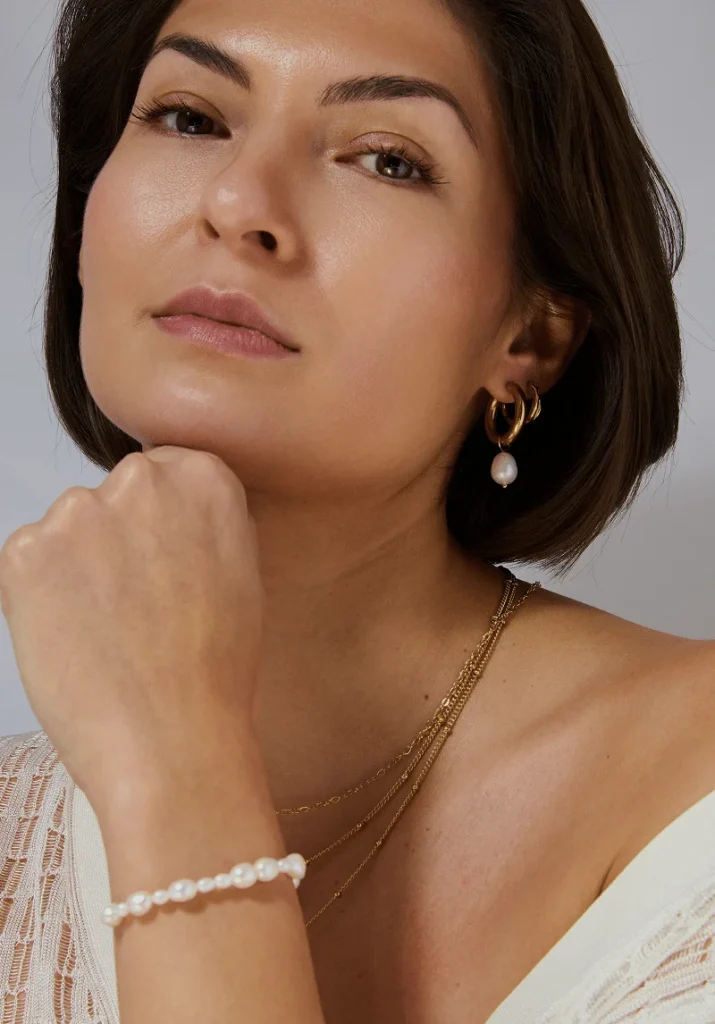
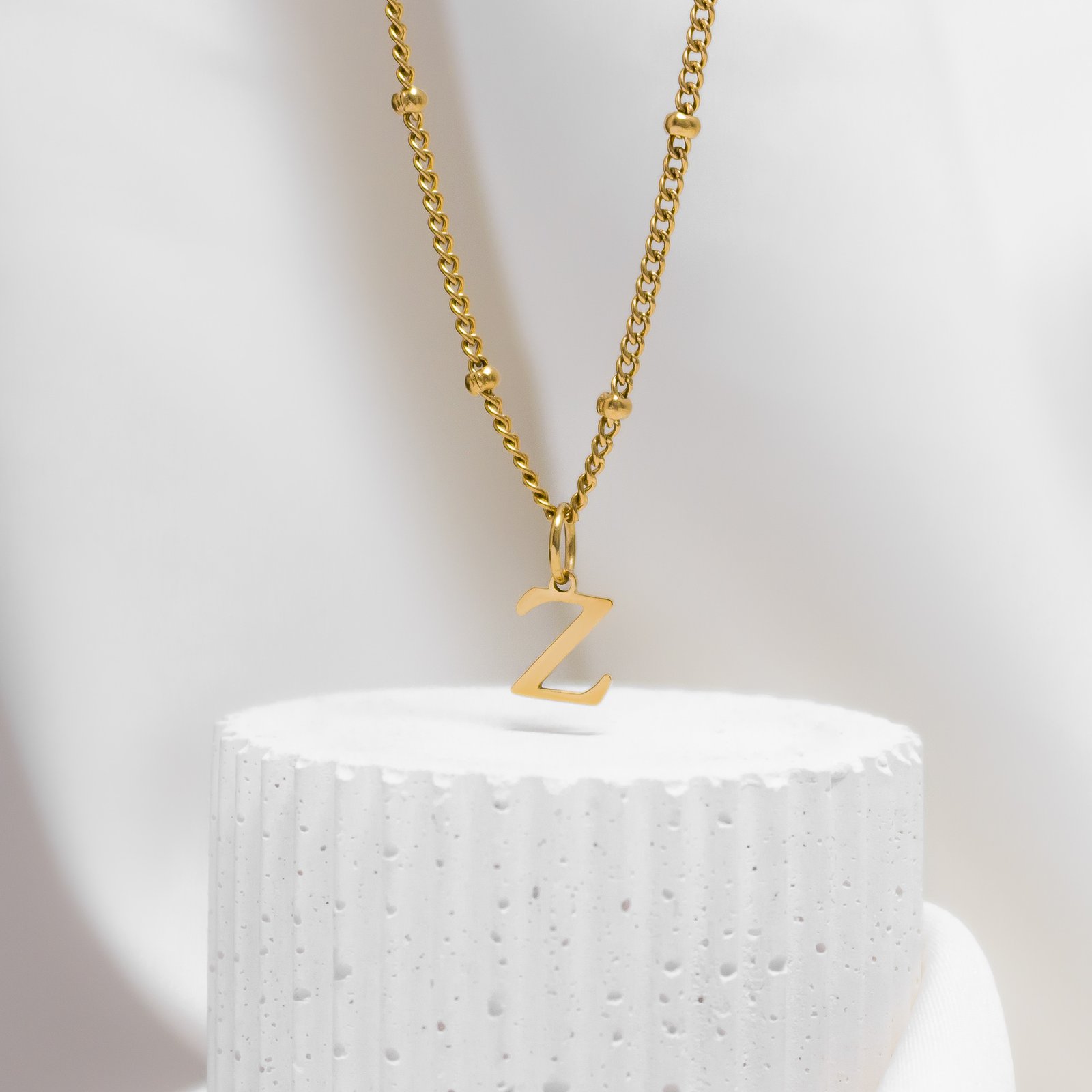
A coin necklace works well both on its own and layered. Worn alone on a fine chain, a single coin makes a calm, grounded statement that suits almost any neckline. Layered, it sits beautifully with shorter and longer chains, and pairs nicely with other meaningful pieces such as a star pendant or an initial. Our guide to star necklace meaning is a good place to look if you want to build a layered set with intent.
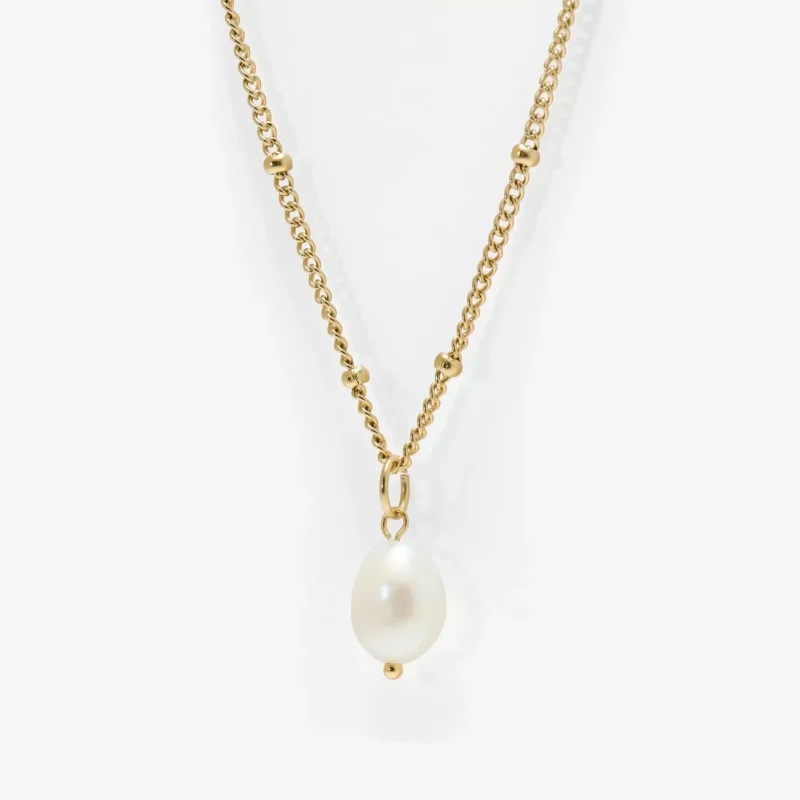
For balance, hang a coin on a chain that holds its weight without disappearing, and let it be the anchor of any stack. A coin also sits comfortably alongside softer textures: a baroque pearl necklace, for instance, plays off the smooth metal disc with its uneven, organic surface, so the two read as a considered pairing. Keep the rest of the look simple and let the coin lead.
If you wear a coin every day, give it a clean now and again with a soft, dry cloth to lift away the marks that build up at the chest. A piece in a durable finish needs little more than that, and the small habit keeps the detail of the disc looking sharp through years of wear.
How do you choose a coin necklace you will actually wear?
Think about weight, length and finish before anything else. A coin that is too heavy can feel like a chore to wear, while one that is too light loses the grounded quality that makes the style appealing. A length that sits at or just below the collarbone tends to suit the most necklines and layers easily with other chains.
Finish decides how the piece ages. A waterproof, tarnish-free coating such as 14k gold PVD on recycled stainless steel keeps the colour and detail of the coin through showers, workouts and long days, and a skin-friendly base keeps it comfortable all day. A coin necklace is the sort of piece you want to wear in, so choose one made to hold up to daily life and worn through ordinary days as much as special ones.
Frequently asked questions
What does a coin necklace mean?
A coin necklace is commonly associated with strength, heritage, protection and individuality, drawing on ancient coin and talisman traditions. The exact meaning is personal, set by the wearer.
What is the difference between a coin and a medallion?
A coin necklace usually echoes real currency, while a medallion is larger and decorative from the start, often engraved with a symbol or portrait. Both draw on the same traditions and the terms are often used interchangeably.
Are coin necklaces unisex?
Yes. Coin and medallion necklaces are worn widely by people of all genders, and the style suits both layered and minimal looks, which is part of its broad appeal.
Can you layer a coin necklace?
Yes. A coin works well as the anchor of a layered set, paired with shorter and longer chains or other meaningful pendants such as a star or an initial. Vary the lengths so each piece is visible.
Why are coin necklaces popular?
They carry a sense of history and individuality, work for everyday and dressed-up wear, and suit most necklines. The link to heritage and protection gives them meaning beyond the look.
Related pieces
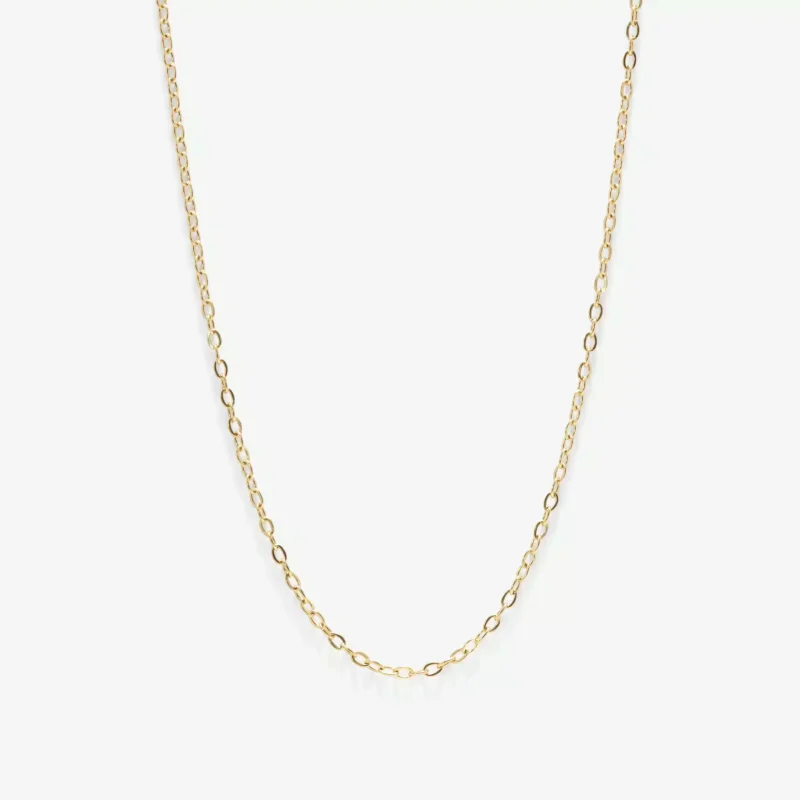
A coin reads best on a chain that carries it well, and a Dainty Chain keeps the focus on the disc while sitting neatly at the collarbone and layering with other lengths. For a softer pairing, a Baroque Pearl Necklace plays off the smooth metal with its uneven, organic surface, so the two sit together as a considered set. Both are made from recycled stainless steel with a 14k gold PVD finish, so they hold their colour through daily wear and suit sensitive skin.