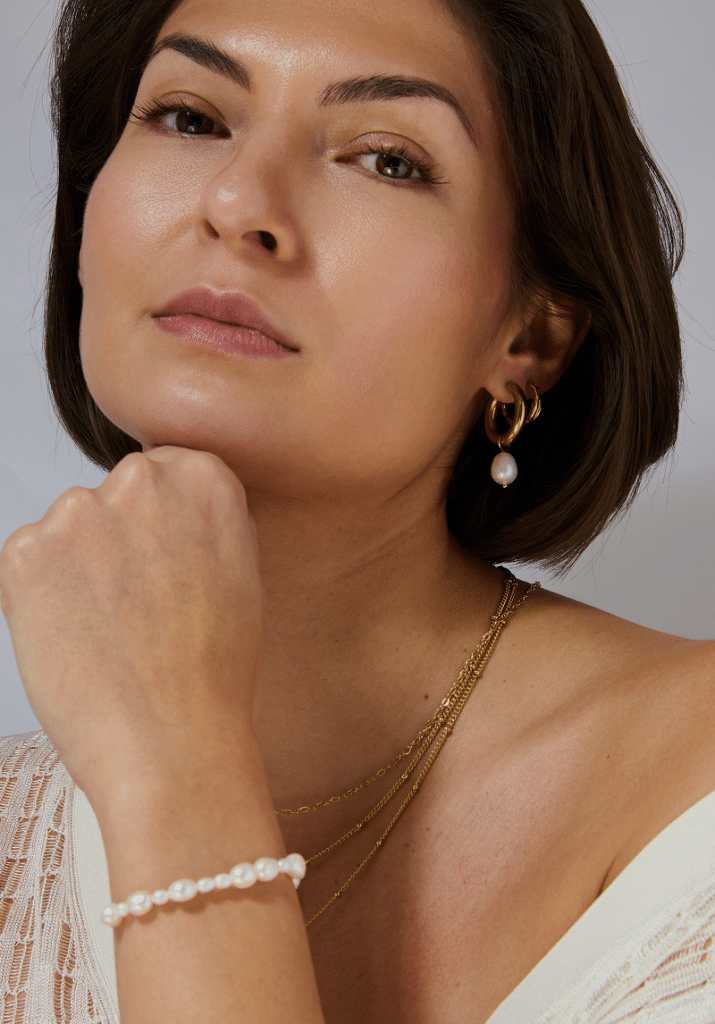


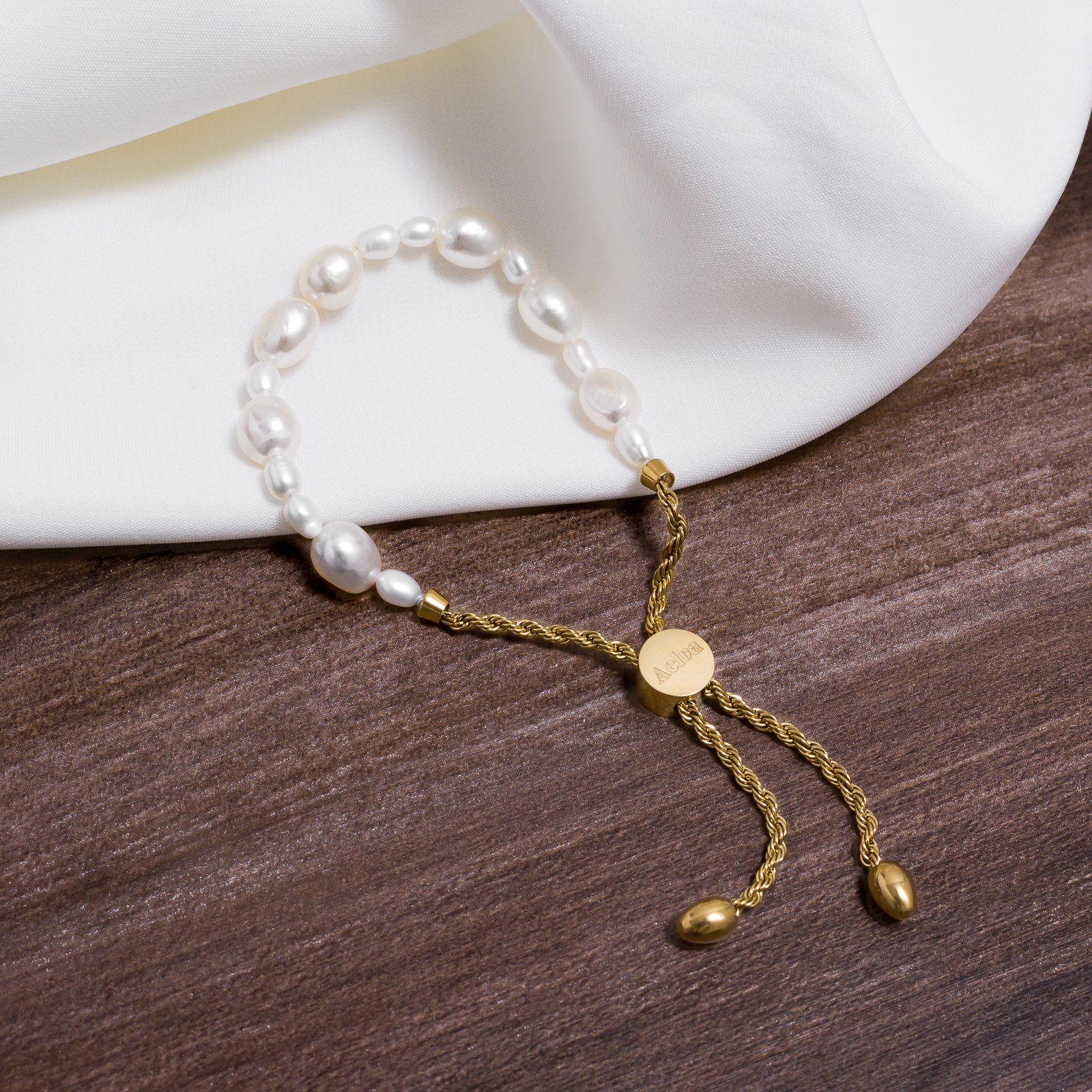
There is a small thrill in opening a jewellery dish, picking up two earrings that were never meant to go together, and putting them on anyway. For a long time the rule was simple: pairs match, full stop. That rule has quietly loosened, and a lot of the most interesting looks now come from breaking it on purpose.
Learning how to mix earrings comes down to one idea: give the two sides something in common so the contrast looks chosen and deliberate. That shared thread might be the metal, the size, the spacing or the mood. Once you have it, you can pair a hoop with a stud, a charm with a huggie, or a delicate drop with something bolder, and the whole thing reads as intentional.
What does it mean to mix earrings?
Mixing earrings means wearing two pieces that do not match as a traditional pair, either one in each ear or several across a single ear. It covers everything from a subtle size difference between left and right to a fully built stack of different shapes climbing up one lobe.
The approach splits into two broad ideas. The first is mismatched earrings, where you wear one design on the left and a different one on the right. The second is an ear stack, where you use more than one piercing on the same ear to layer pieces together. Most people who enjoy mixing end up doing a little of both, and the two styles sit happily side by side.
How do you style mismatched earrings?
Start by choosing a connecting thread, then let everything else vary. The easiest thread is metal: keep both earrings in the same gold tone and you can mix shape and size freely, because the colour holds them together. A gold hoop on one side and a gold stud on the other already looks intentional, simply because the finish agrees.
Balance is the next thing to picture. If one earring carries more visual weight, a larger hoop or a dangling charm, keep the other side smaller and quieter so the look stays even. Think of it as a heavier piece and a lighter piece in conversation, with one supporting the other so neither side competes for all the attention.
A reliable starting combination is a small hoop on one ear and a plain stud on the other. From there you can swap the stud for a tiny charm, or the hoop for a huggie, and judge each change in the mirror. If a pairing makes you keep glancing back, it is usually working.
How do you build an ear stack with mixed earrings?
An ear stack uses several piercings on one ear to layer different pieces from the lobe upwards. The usual order is heavier at the bottom and lighter towards the top, so a hoop or a drop sits in the first lobe piercing, a small stud in the second, and a snug huggie higher up.
Spacing keeps a stack from looking crowded. Let each piece have a little room so the shapes stay legible and nothing tangles, much the way layered necklaces need a gap between lengths. Three pieces is a comfortable number to begin with, and you can add more once you see how they sit together.
If you are planning a stack and want the full method, our guide on how to build an ear stack walks through piercing placement, sizing and the order to add pieces. Huggies are a favourite for the upper spots because they hug the ear closely and stay put through the day, and you can read more in our explainer on what are huggie earrings.
Can you mix earring metals?
Yes, and mixing earring metals is one of the quickest ways to make a stack look considered. The trick is to repeat each metal at least once so the contrast reads as a pattern. A gold piece, a silver-tone piece, then gold again gives the eye a rhythm to follow, where a single odd-coloured earring among matching ones can look like a mistake.
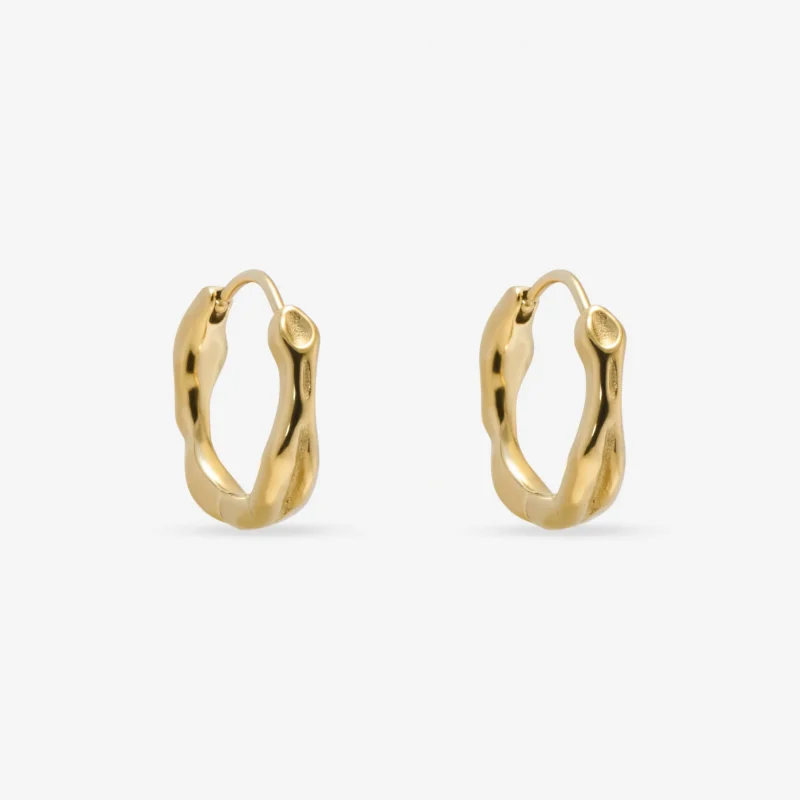
If mixing tones feels like a step too far, stay within one gold tone and create interest through texture instead. A high-shine hoop next to a softer, molten-looking piece gives you depth while keeping the colour calm, and the eye reads the difference in surface while the colour stays constant. This is an easy way to enjoy variety while everything still feels pulled together, and it works well on days when you want the look quietly interesting.
For sensitive ears, the metal underneath matters as much as the look. Hypoallergenic pieces in recycled stainless steel with a 14k gold PVD coating let you build and rebuild a stack often without irritation, which makes experimenting far more relaxed.
Which earrings are easiest to mix?
Small, simple shapes are the most forgiving. Studs sit flat and go with almost anything, so they are the natural filler between bolder pieces. Hoops bring movement and a clear outline, and a couple of hoops in different sizes already make a stack look intentional.
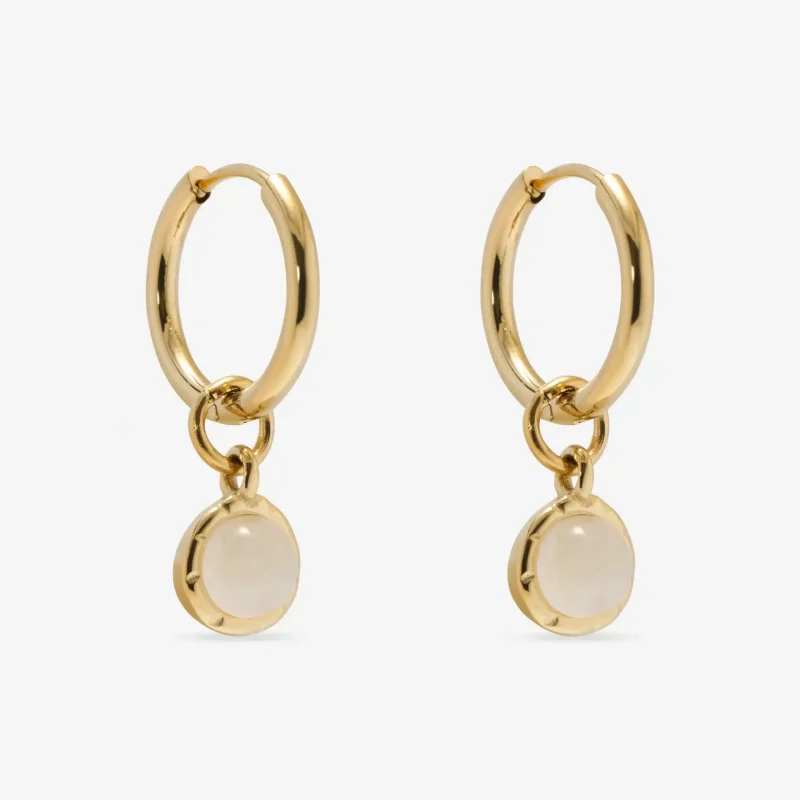
Huggies earn their place because they sit close to the ear and pair neatly with both hoops and studs, which makes them a useful anchor in the upper piercings. Charms and tiny drops add personality once the basics are in, and a single small charm can be the detail that makes a pairing feel like yours.
Begin with two or three pieces you already reach for, then introduce one new shape at a time. Building slowly means each addition has a reason to be there, and the finished look keeps a curated, considered feel even as it grows. It also helps you learn which combinations you return to most, so over time you build a small set of reliable pairings you can put on without much thought.
How do you keep a mixed look feeling intentional?
The difference between considered and chaotic is usually one shared element. Hold the metal tone steady, or keep all the pieces within a similar scale, or echo a shape from one ear on the other. With one anchor in place, the rest can be as varied as you like.
It also helps to dress the look for the day ahead. For everyday, pieces that sit close and stay secure let you forget you are wearing them, which is the point of a stack you can live in. For an occasion, you might add one bolder piece as a focus and keep the rest supporting it.
Frequently asked questions
Is it okay to wear mismatched earrings?
Yes. Wearing different earrings on each ear is an established style, and it looks deliberate when both sides share a common thread such as the same metal tone or a similar scale.
How do you mix earrings without it looking messy?
Give the pieces one thing in common, usually the metal tone or the size, then let the rest differ. Balance a bolder piece on one side with a smaller one on the other so the look stays even.
Can you mix gold and silver earrings?
Yes. Repeat each tone at least once so the mix reads as a clear pattern, and a single odd-coloured piece among matching ones tends to look out of place. With the repeat in, the contrast will look intentional.
What earrings work best for an ear stack?
A hoop or drop in the lower piercing, a stud in the middle and a huggie higher up is a dependable starting stack. Keep heavier pieces low and lighter ones towards the top.
How many earrings should you wear in one ear?
Three pieces is a comfortable number to start with. Leave a little space between each so the shapes stay clear, then add more once you see how they sit together.
Do mixed earrings work for everyday wear?
Yes. Keep the pieces small and secure, hold one shared element such as the gold tone, and a mixed look sits comfortably through a normal day. Waterproof, tarnish-free pieces make it easy to leave a stack in and forget about it.
Related pieces
To start a mix, the Molten Hoop Earrings bring a soft, textured shape that pairs easily with a plain stud, and the Evil Eye Huggie Earrings sit close to the ear as a neat anchor higher up the stack. Both are made for daily wear in waterproof, tarnish-free 14k gold PVD over recycled stainless steel, and being hypoallergenic they suit ears that react to other metals.