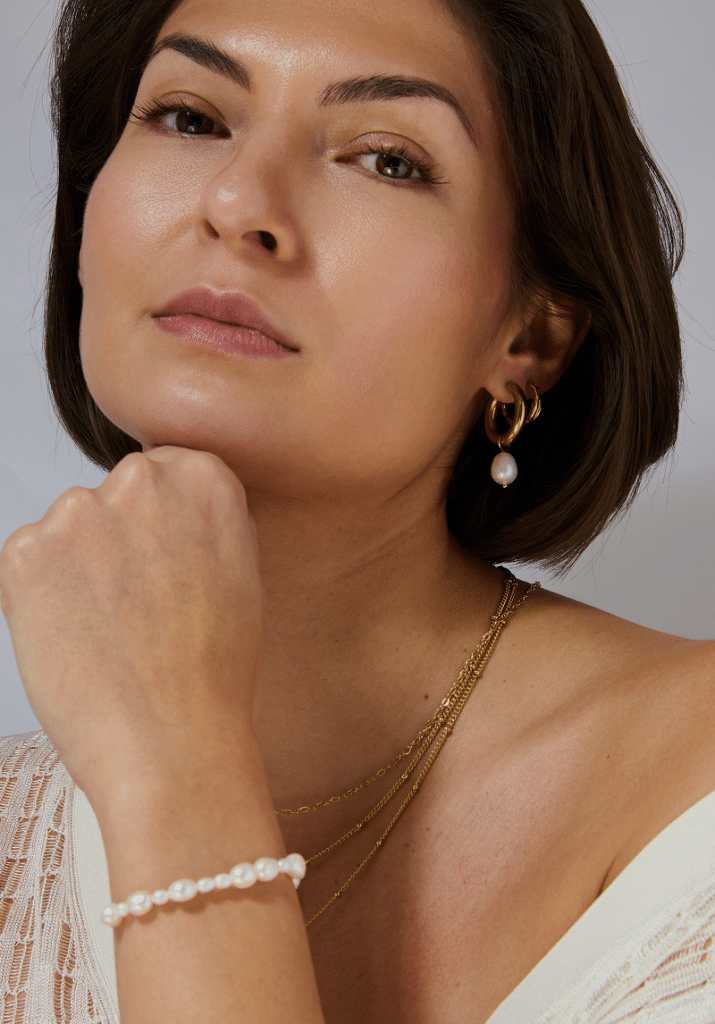


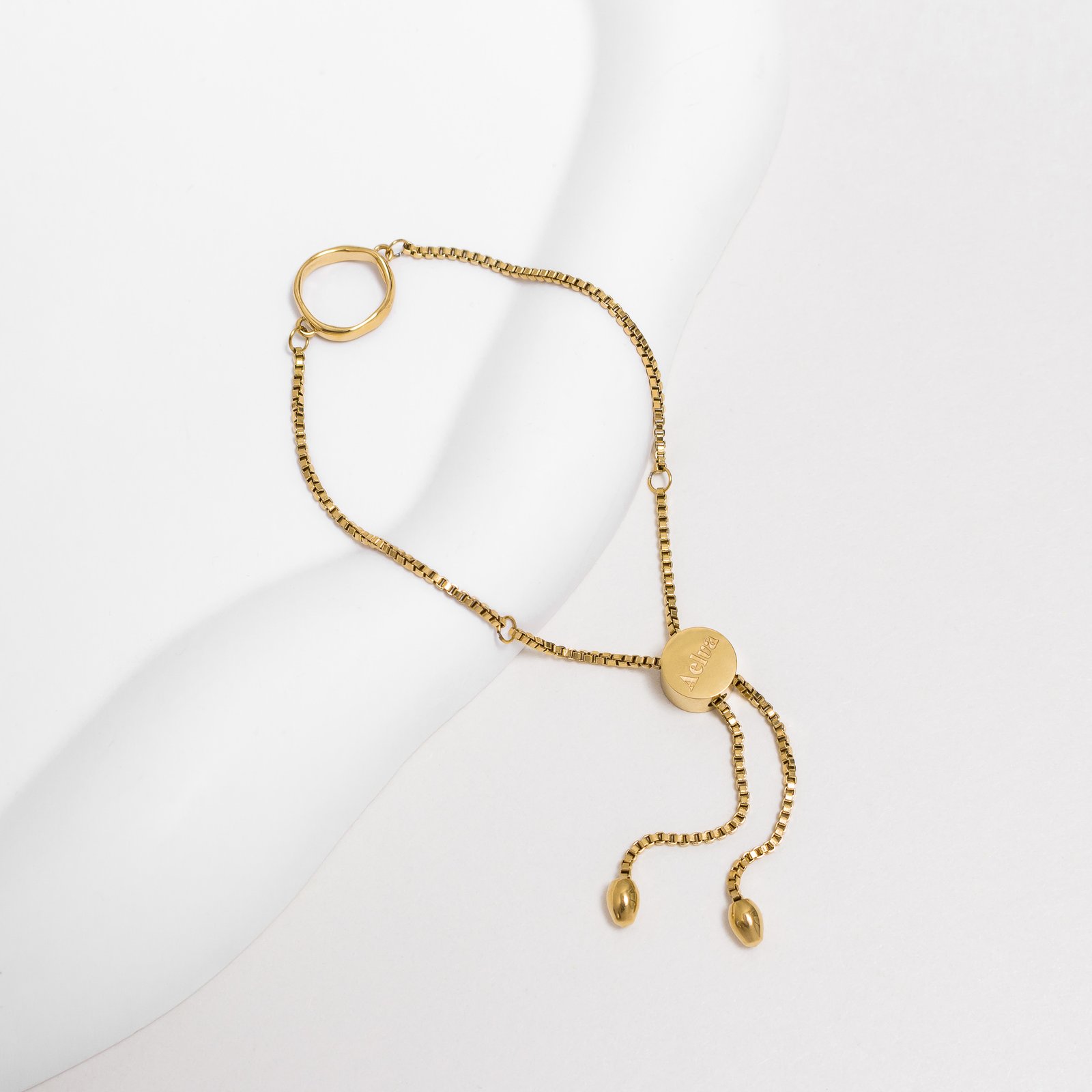
Most of us were quietly told, at some point, to pick a side. Gold or silver, never both, as though the two could not be in the same room. That rule has loosened, and plenty of people now reach for a gold chain and a silver bracelet in the same morning without a second thought.
The mixed-metal jewellery trend is the now widely accepted practice of wearing gold and silver tones together in one look. Stylists describe it as a flexible, modern way to dress that makes a collection work harder, and the trick to doing it well comes down to balancing the tones and tying them together with the right piece.
Can you mix gold and silver jewellery?
You can mix gold and silver jewellery, and it is now a widely accepted way to wear them. The old idea that the two should never meet has faded, and mixing metals is treated as a deliberate, modern choice in fashion writing. Our piece on mixing gold and silver jewellery covers the basics in more detail.
The freedom is partly practical. Most people own pieces in both tones already, often gathered over years, and being able to wear them together means everything stays in use. It also means a favourite gold chain and an inherited silver bracelet can share the same day, which is half the appeal.
Why is mixing metals a trend now?
Mixing metals has become a trend because tastes have moved towards looks that feel collected and personal. Wearing gold and silver together suggests pieces gathered over time, each with its own story, which fits the current liking for jewellery that looks lived-in.
It also gives a look more depth. Two tones catch the light differently, so a stack of mixed-metal pieces has more going on than a single-tone set. That visual interest is a large part of why people have warmed to it. There is a freeing side as well: once the matching rule is set aside, you can wear whatever you love at once, and a collection built up piece by piece finally gets to be worn all together.
How do you mix metals so it looks intentional?
The way to mix metals well is to make it look deliberate, and the simplest method is to balance the tones and repeat each one at least twice. A single gold piece among five silver ones can read as an afterthought, while two gold and two silver pieces read as a clear choice.
A few pointers that help:
Balance the tones. Aim for each metal appearing more than once across the look. Repeat across the body. A touch of gold at the ears and a touch of gold at the wrist ties a silver-led look together. Keep shapes in a similar family. Mixing tones is easier when the pieces share a feel, such as fine and delicate, or smooth and rounded. Anchor it with one tie-in piece. More on this below.
Scale matters too. If your pieces sit at different weights, let one tone lead and use the other as an accent, so the eye has somewhere to settle. A bold silver cuff with a few fine gold chains, for instance, looks composed because the gold supports the silver instead of competing with it.
What ties a mixed-metal look together?
The thing that ties a mixed-metal look together is a single piece that combines both tones, because it gives the eye a reason for the two metals being there. A two-tone earring, a chain with both gold and silver links, or a bangle that mixes the two acts as a bridge so the rest of the pieces feel connected.
Without that anchor, gold and silver can read as two separate sets worn at once. With it, everything looks part of one considered choice. If you do not own a true two-tone piece, you can mimic the effect by repeating each metal in a couple of places, though a single combined piece does the work more cleanly. This is why two-tone designs have become such a useful staple: one well-placed piece settles the whole question.
If you are easing into the trend, start with one mixed-metal moment and let it settle before adding more. A pair of two-tone earrings worn with your usual gold chain, or a silver bracelet slipped onto the wrist you already wear gold on, is enough to get the eye used to seeing the two tones together. Once that feels natural, you can build the look out across necklaces, wrists and ears at your own pace.
Skin tone is sometimes raised as a worry, but mixing metals quietly solves it. Where some people feel warmer or cooler tones suit them better, wearing both means there is always a flattering shade somewhere in the look. The gold lifts warmth into the face while the silver keeps things crisp, and the two together tend to suit far more people than either tone worn alone.
For a worked example, picture a simple everyday stack: a fine gold chain at the throat, a slightly longer silver chain beneath it, a two-tone bangle on one wrist and a small gold hoop in each ear. The bangle carries both metals, so it explains the gold and silver around it, while the repeated gold at the neck and ears keeps the look balanced. It reads as one considered choice, built from pieces you might already own.
Is gold or silver more in style right now?
Neither gold nor silver is clearly winning, which is part of why mixing them has taken off. Warm gold tones have had a long run of popularity, while silver has returned to favour in fashion coverage too, so wearing both keeps a look current whichever way tastes lean. Our piece on whether gold or silver is in style looks at this more closely.
Because mixed-metal pieces get worn often and across the day, the finish matters. A waterproof, tarnish-free finish such as 14k gold PVD on recycled stainless steel keeps its colour through showers, workouts and long days, so a gold-tone piece in your mix stays true next to your silver. Pieces meant to be combined need to keep up with each other over time, and a finish that fades or discolours quickly throws the balance out.
Frequently asked questions
Can you wear gold and silver jewellery together?
Yes. Mixing gold and silver is now widely accepted and treated as a modern, deliberate choice. Balancing the tones and repeating each one makes the look feel intentional.
How do you mix gold and silver well?
Repeat each metal in more than one place, keep the pieces in a similar style family, and use one piece that combines both tones to tie the look together.
What is a two-tone jewellery piece?
A two-tone piece combines gold and silver tones in a single item, such as a chain with mixed links or a bangle using both. It acts as a bridge in a mixed-metal look.
Is mixing metals still on trend?
Mixing metals has stayed popular across several seasons as a flexible, lived-in way to wear jewellery. It suits the current taste for looks that feel collected.
Should my earrings and necklace match in metal?
They no longer need to. You can wear a gold necklace with silver earrings, though repeating a touch of each metal across the look helps it feel balanced.
Related pieces
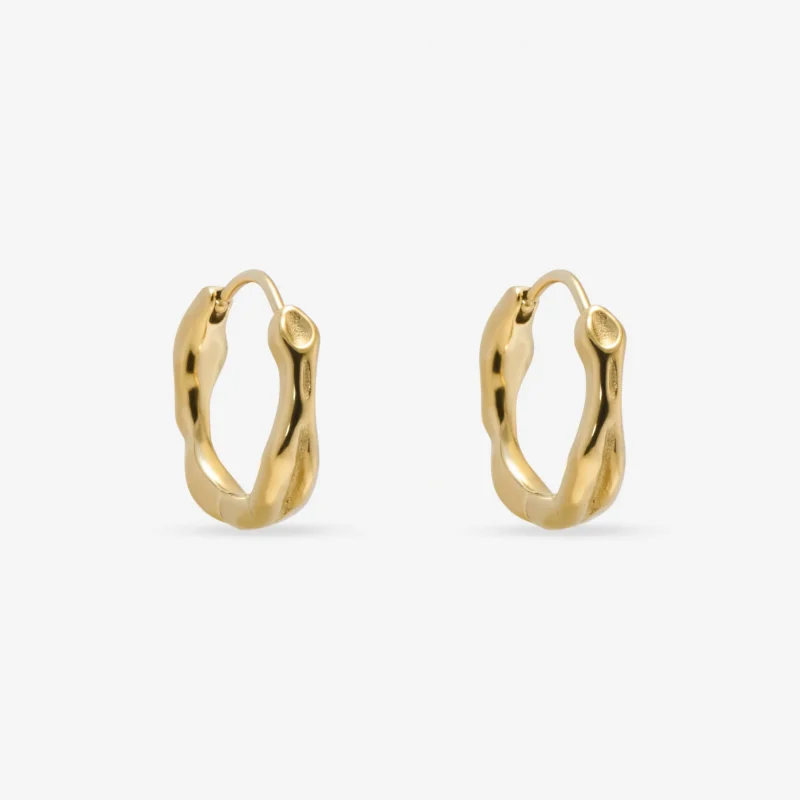
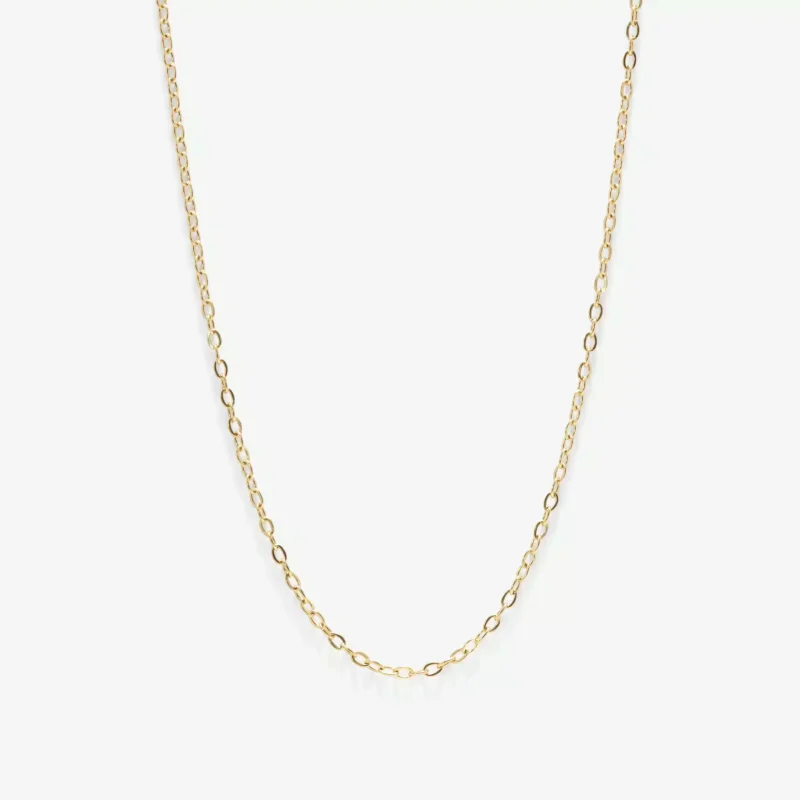
If you want to try the trend, Molten Hoop Earrings give you a smooth, easy gold-tone piece to repeat at the ears as you build a mixed-metal look. A Dainty Chain offers a fine gold base that layers happily alongside silver-tone pieces. Both are made from recycled stainless steel with a 14k gold PVD finish, so the gold tone holds true through daily wear and stays balanced against the rest of your mix.